The Silent Shadow at Window – Madagascar
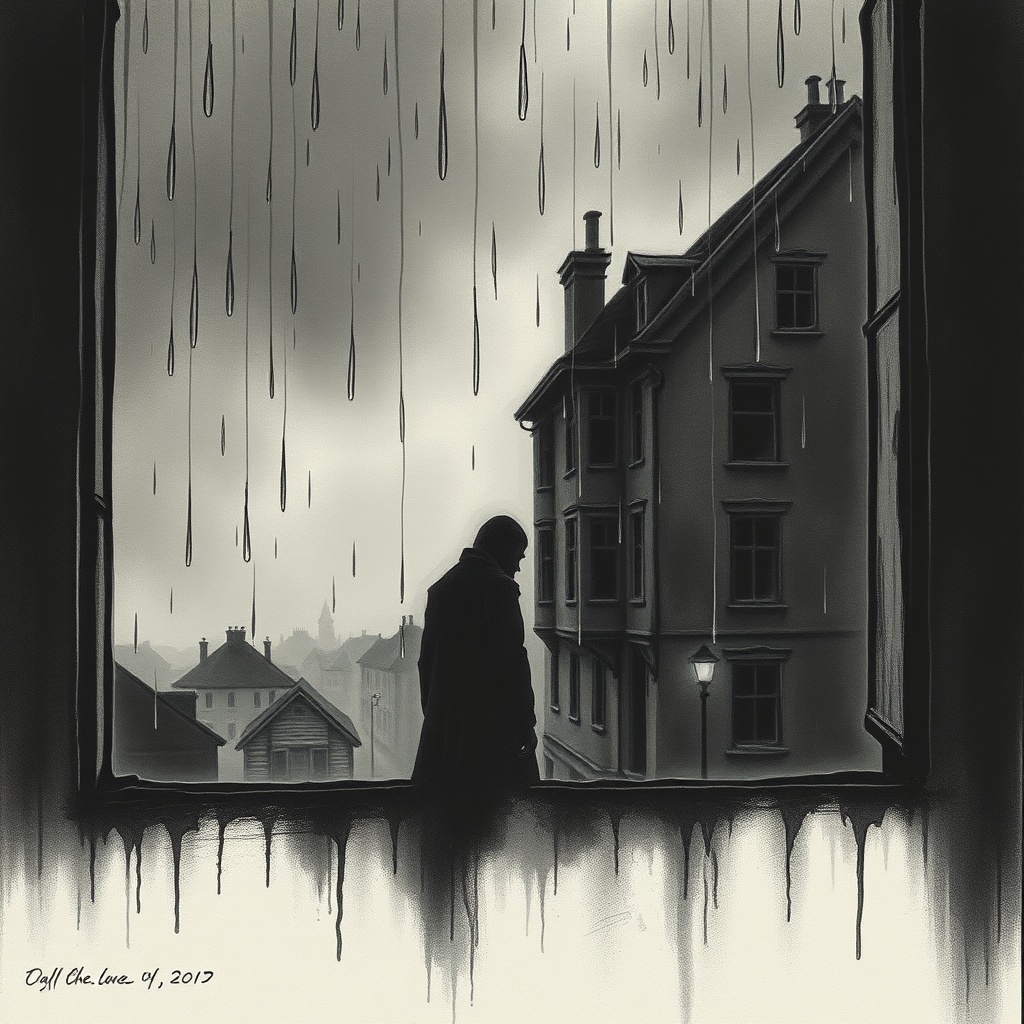
Have you ever noticed how a window can feel like an eye, and at night it never quite blinks?
In Madagascar, there’s a modern urban legend people trade in low voices and half-laughs, like laughing will keep it from sticking to you. Depending on who tells it, it’s called the Silent Shadow at the Window, or just “that thing outside.” The story doesn’t come out of a single book. It spreads the way humid air does, through neighborhoods, through family warnings, through the kind of late-night talk where someone swears they’re only repeating what their cousin saw near the port, or what a taxi-brousse driver heard from an old woman on the road.
It seems to have hardened into its recognizable form in the last few decades, especially as more people moved through Antananarivo and the coastal towns, and as phones made the retellings faster. But the bones of it feel older. Madagascar has a deep tradition of taboos and household rules, the kind that don’t need written law because they ride on fear and respect. Don’t whistle at night. Don’t point at graves. Don’t call certain things by name after dark. And, in some areas, don’t look out the window when you hear your name spoken softly from outside.
The Silent Shadow legend usually starts with a small, normal sound. A tap. A scrape. The clink of something against shutters. Sometimes it’s rain, sometimes it’s a dry night and the sound makes even less sense. The person inside does what people always do, because curiosity is a stubborn animal. They go to the window.
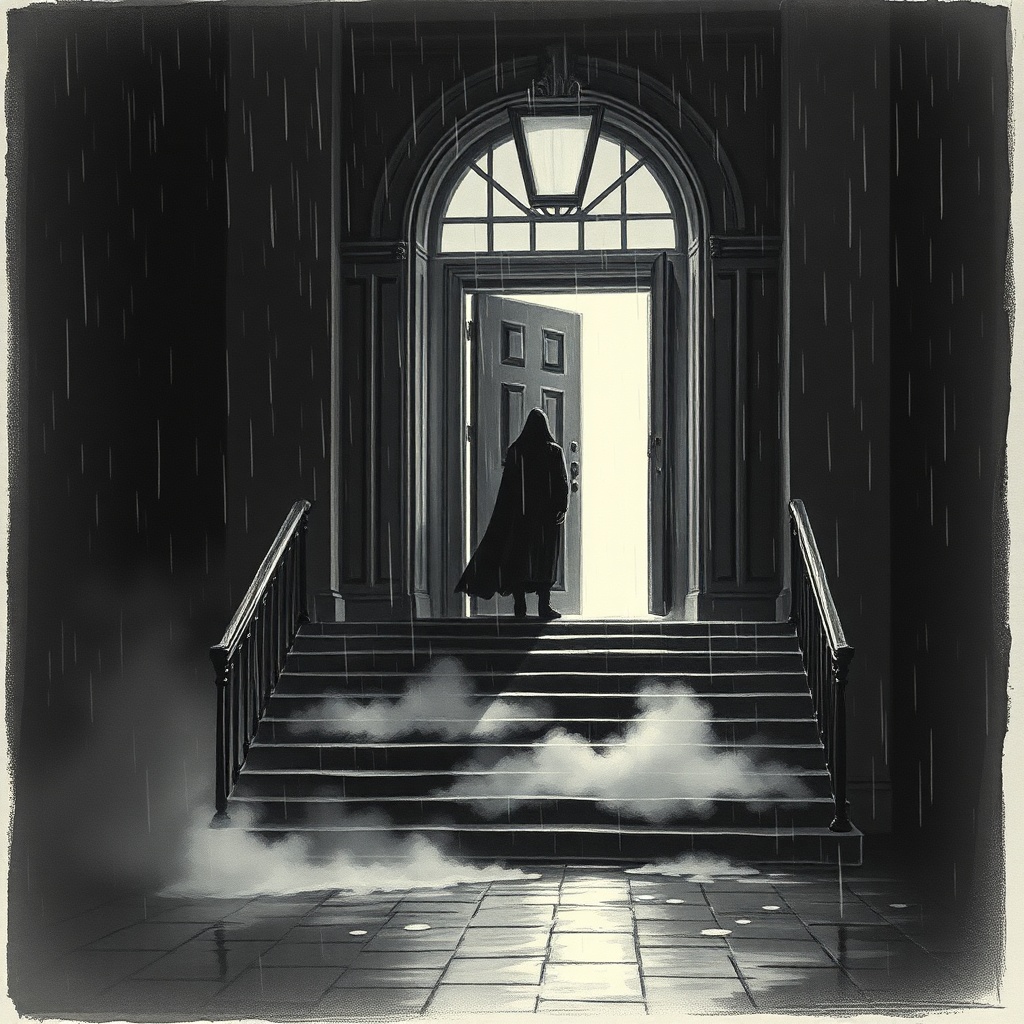
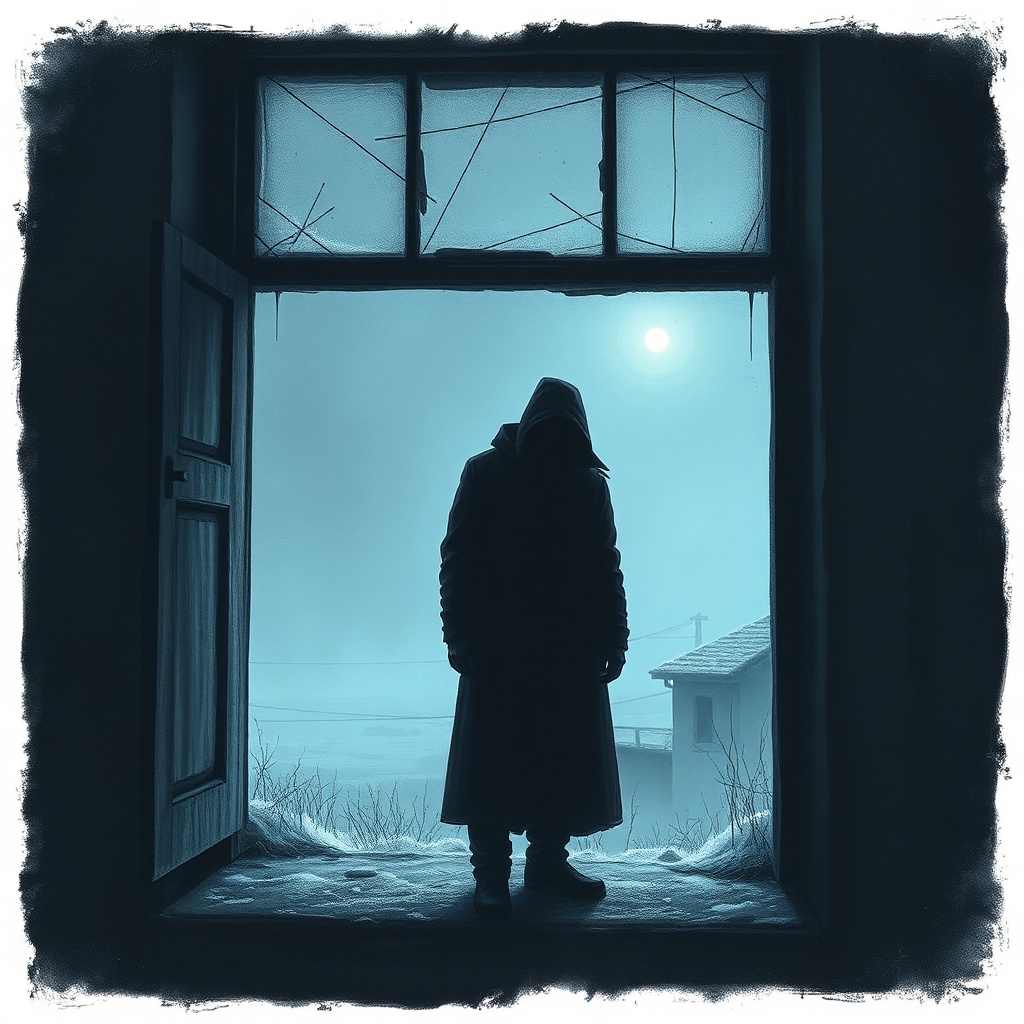
That’s when they see it. Not a person. Not an animal. A shape, human-sized, motionless, standing too close to the glass or just beyond the reach of the porch light. The details never settle. It’s a silhouette without features, darker than the dark around it, like a cutout pasted onto the world. What makes it worse is what it doesn’t do. It doesn’t wave. It doesn’t run. It doesn’t knock again. It just waits, as if it has all the time you don’t.
People argue about what it is. Some say it’s a hungry spirit, something that can’t cross a threshold unless invited, and the act of looking is the invitation. Others treat it like a omen, a warning that death has paused by your house to check the address. Some say it’s the shadow of someone who died badly, lingering at windows because windows are where the living lean out to call for help, and the dead remember that posture.
The ending, in most tellings, is brutally simple. If you stare at it long enough, it moves. Not closer. Not away. It tilts, like it’s trying to align its head with yours, matching you through the glass. Then you realize the worst detail. It’s silent because it doesn’t breathe. And when you finally step back, it’s already inside the room behind you, or you wake up in the morning with a handprint on the inside of the window, the kind of print you can’t explain unless someone was pressing from your side of the glass.
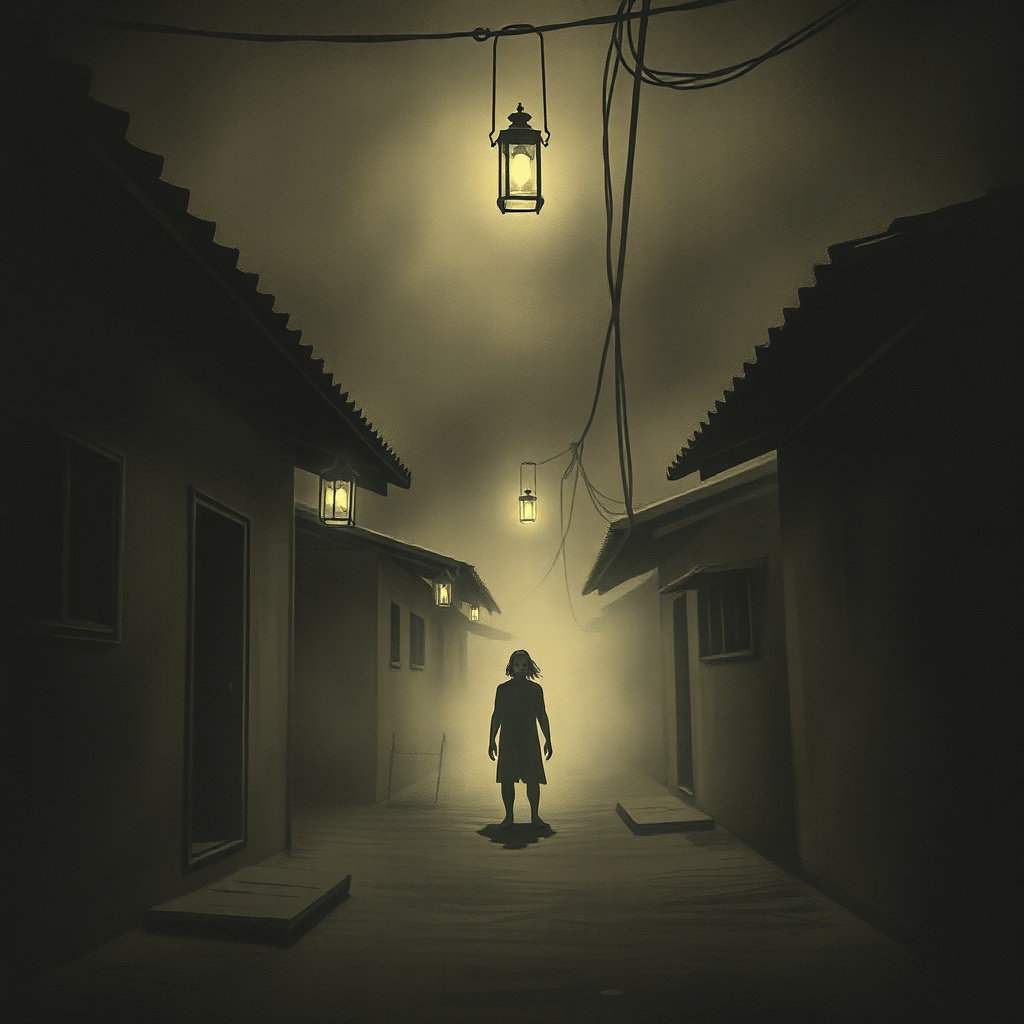
I first heard a version of it at a kitchen table, the kind of plastic table that wobbles if you set a cup down too hard. A friend of a friend was telling it, playing it cool, but her fingers kept worrying the edge of a spoon. She said the rule was simple. If you hear the tapping, you don’t go to the window. If you already went, you don’t let it see your eyes. She said that like it was practical advice, like “don’t drink the water.”
I made a joke, because that’s what I do when I feel a story getting under my skin.
“So what, you just live in the dark forever.” I said. “Seems efficient.”
Nobody laughed. She just looked at me, then at the window above the sink, as if it might take offense. That was the first time I understood what the legend really trades on. It isn’t about monsters. It’s about manners. What you owe the night, and what you absolutely do not give it.
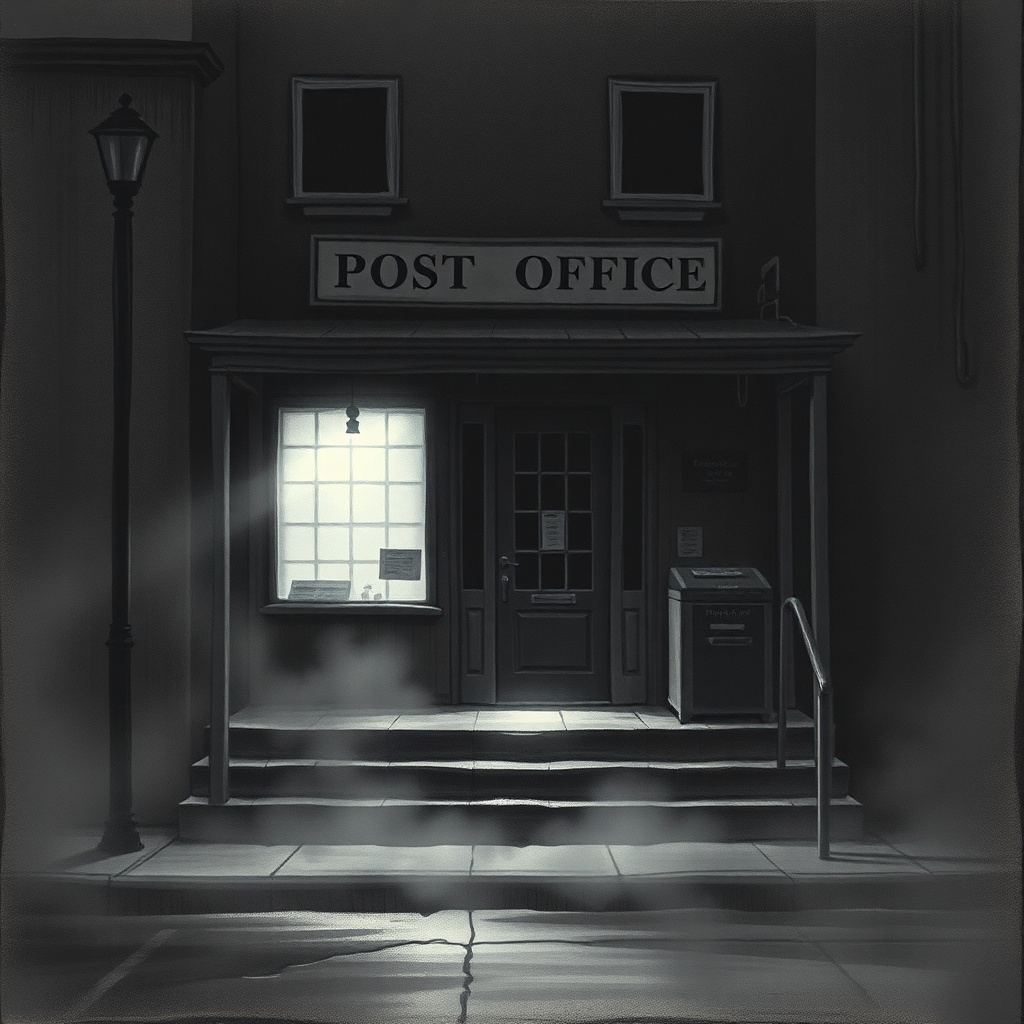
In Madagascar, windows are everywhere, even when houses are small. Louvered glass. Wooden shutters. A square cut into concrete with bars, a curtain hung for modesty and mosquitoes. A window isn’t only a view. It’s a border. It’s where you decide what stays outside. And borders make some things impatient.
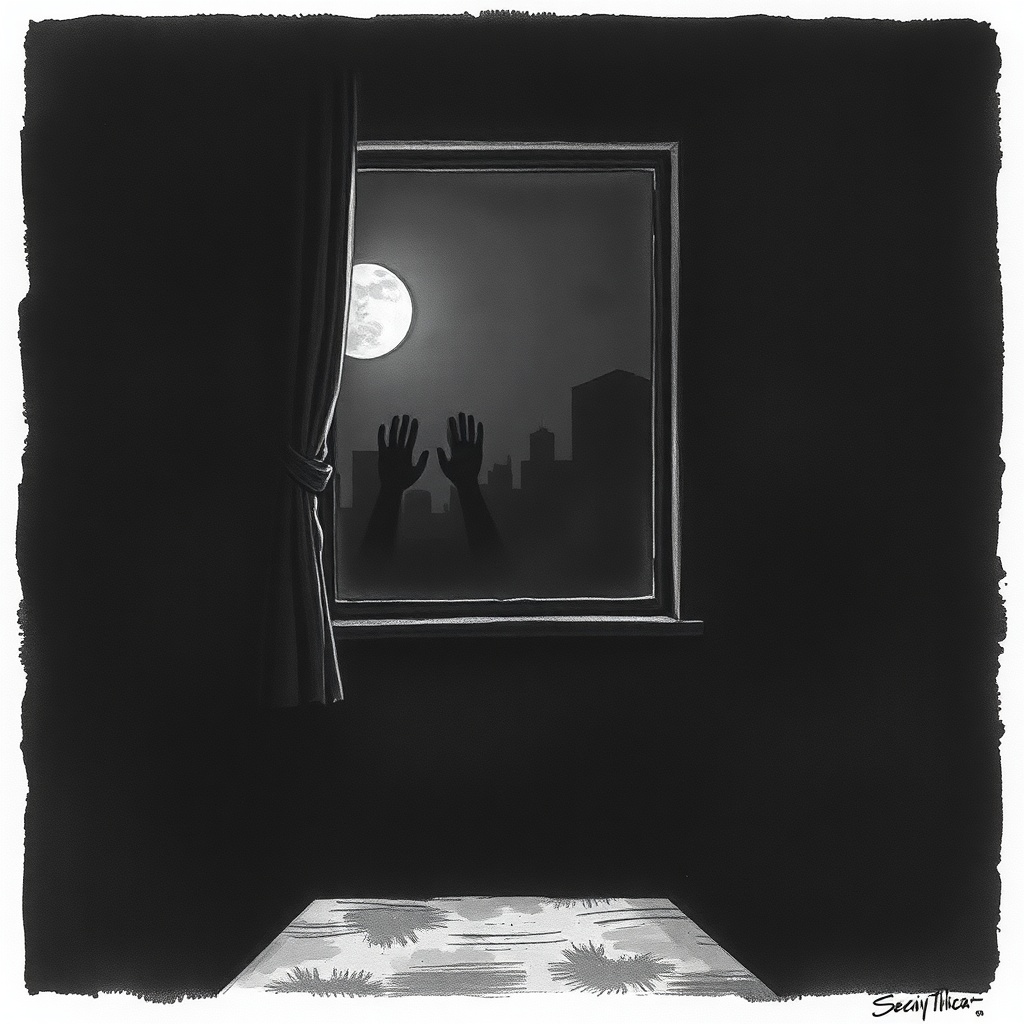
The night it happened to me, I wasn’t trying to prove anything. I was alone in a rented place that smelled faintly of damp wood and dust. The power had flickered earlier, like it couldn’t commit. I remember thinking, very calmly, that I should charge my phone while I could. I remember the fan slowing down and the sudden quiet that follows, the kind of quiet that makes you hear your own swallowing.
Then came the sound. Not dramatic. Not the movie kind. A gentle, patient tap, like a pebble tossed against glass.
Tap. Pause. Tap.
I didn’t move at first. I did what people always claim they’d do in horror stories. I stayed still. I listened. I told myself it was a branch, except there were no trees close enough. I told myself it was a gecko, except it was too deliberate. I told myself it was nothing, and my mind politely showed me how nothing doesn’t usually have a rhythm.
Tap. Tap.
From somewhere outside, very close to the window, I heard a whisper. It was my name. Not shouted. Not even spoken. More like breathed through clenched teeth, the way you call someone when you don’t want to wake the house.
My body did the stupid thing before my brain could vote. I got up.
I walked across the room, barefoot, feeling every grain of grit on the floor. The curtain was thin, the cheap kind that glows faintly when there’s any light behind it. There shouldn’t have been any light, but it still seemed… bruised. Darker in one spot, as if something stood in front of the window and pulled the darkness into a denser shape.
I reached for the curtain.
And I stopped, with my fingers an inch from the fabric, because I remembered the kitchen table and the spoon and the way nobody laughed. I stood there like a child in front of a hot stove, not touching, just feeling the heat.
Tap. Tap. Tap.
The whisper again, closer now, right on the other side of the glass. My name, like a test.
I should tell you I backed away. I should tell you I sat down and waited for morning. What I did was worse. I leaned forward, just a little, and looked at the curtain as if my eyes could pierce it without opening it. I wanted to see without being seen. A very human bargain.
A shadow slid across the fabric, rising slowly, until it was centered where a face would be. It didn’t have features, but I knew where it was looking. The sense of attention was so sharp it felt like pressure against my skin.
The tapping stopped.
In that silence, I heard something else. Not breathing. Not footsteps. A faint squeal, like damp rubber on glass, moving sideways. Whatever was outside was shifting along the window, aligning itself with me.
My mouth went dry. I stepped back.
The shadow on the curtain moved too.
I stepped back again, faster, and the curtain bulged inward, just slightly, as if someone pressed it from the outside with a careful hand. The fabric touched the glass and clung, and for a second I saw the outline of fingers through it. Long. Too straight. Too patient.
I ran for the light switch on the wall, because lights are the oldest prayer we have. The switch did nothing. Of course it did nothing. Somewhere in the back of my mind I heard my own earlier thought about charging my phone, and I almost laughed at myself, a little hysterical. Yes. Great. Glad I prioritized the battery.
I backed into the hallway, keeping my eyes on the window as long as I could. I didn’t want to turn my back. That felt like an invitation too. The curtain was still, but the room around it seemed wrong, as if the corners had thickened.
Then I heard it. Not at the window. Behind me, in the hallway, a soft scrape like cloth brushing a wall.
I froze so hard my shoulders ached.
Another scrape. Closer.
I didn’t look. I couldn’t. I stared at the window and the curtain and tried to pretend that what was in the hall was only my imagination, the way a child pretends a hanging coat isn’t a person. The problem with pretending is that it works right up until the moment it doesn’t.
The whisper came again, but this time it wasn’t outside. It was near my ear.
My name, spoken with the same careful softness, like someone trying not to wake the house.
I felt the tiniest shift of air, as if something leaned in close enough to share warmth. But it wasn’t warm. It was the opposite. A cold that didn’t belong to weather, the cold you feel when you open a freezer and your skin complains.
I did the only thing that made sense in that terrible logic. I spoke, because silence felt like surrender.
“Go away,” I said, and my voice sounded thin, embarrassed, like I was arguing with smoke.
The whisper answered, still gentle.
“Open.”
I don’t remember deciding to move. I remember motion. I remember fumbling for my phone on the table, my fingers slipping, the screen lighting my hands a sickly gray. I remember turning the flashlight on and swinging it toward the hallway like a weapon you know won’t work.
The beam cut through dust. It hit the wall. It showed nothing. No figure. No person. Just the everyday ugliness of paint and cracks.
Behind me, the curtain at the window shifted, not from a breeze, but as if something had passed between the fabric and the room.
I swung the light toward the window.
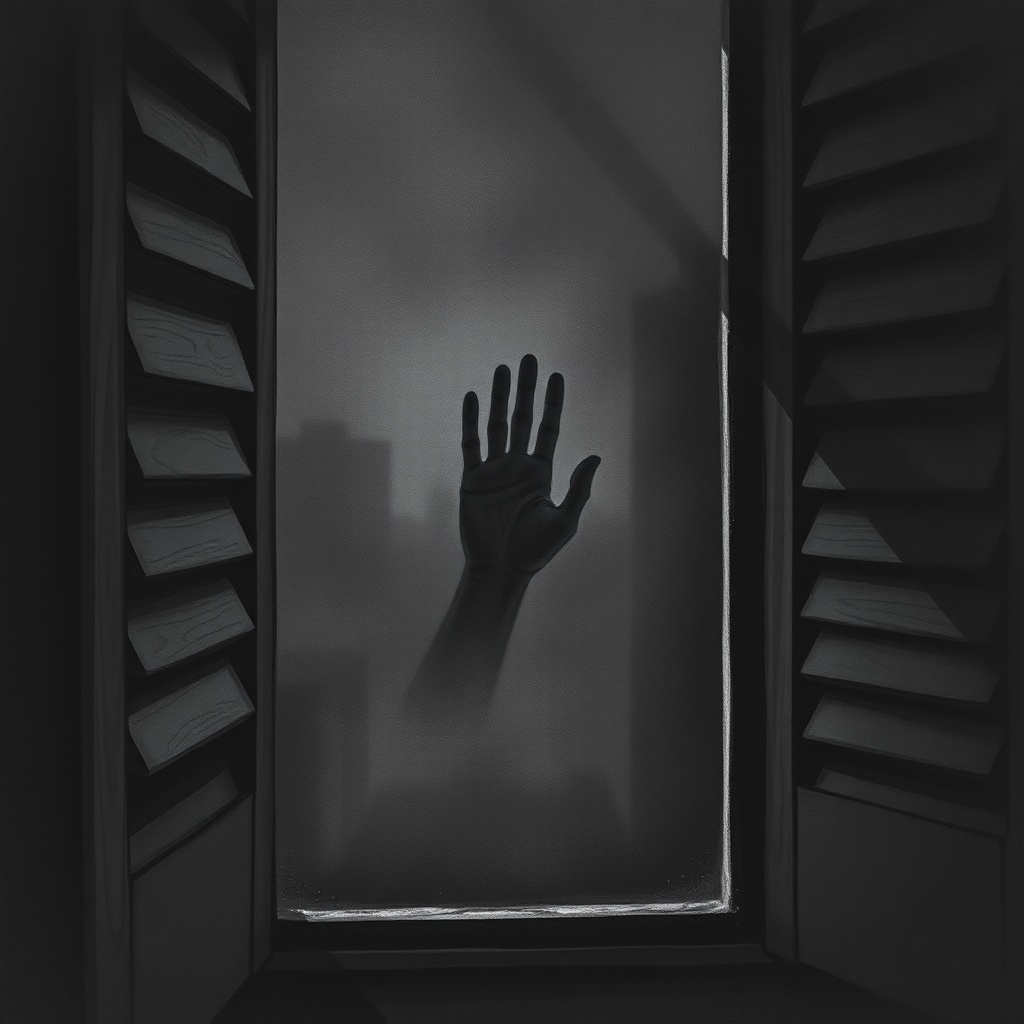
The curtain was still, but on the glass, visible through the thin fabric, a handprint bloomed. Not smeared like a real hand. Too clean. Too complete. As if the skin that made it wasn’t skin at all, but damp shadow pressing itself into the world.
The print was on the inside of the window.
That’s the detail that makes the legend stick. People will argue with you about spirits and taboos and whether looking counts as inviting. But a handprint on the inside doesn’t need philosophy. It’s proof of geography. It tells you where something is standing.
I didn’t sleep. I sat with my back to a wall until the first gray hint of morning, watching the window like it might suddenly learn to smile. When the sun finally rose, it didn’t banish the fear. It just made it look ridiculous. The curtain, the glass, the quiet room. Nothing dramatic. No broken lock. No footprints.
Only that handprint, faint now in daylight, like the memory of a touch.
I cleaned it with a wet cloth. Then I cleaned it again. It didn’t smear. It didn’t lift. It only faded, slowly, as if it was sinking deeper into the glass, choosing to live there instead of on the surface.
Later, when the power came back, I found a voice note on my phone. No idea when it recorded. The file was short, a few seconds, and it played nothing at first but my own breathing. Then, very softly, right beside the microphone, a whisper that didn’t belong to me.
My name.
And then, amused, patient, like someone who has learned how doors work.
“Open.”
Loved this story? Pulse it.
Pulses bubble up to the channel — they help us see which stories deserve sequels.