
Career Fails Captured in Seconds: Workplace Mistakes

Ever notice how the biggest career faceplants aren’t these slow, tragic spirals, they’re tiny moments. A single email reply. One hot mic. One “hold my beer” decision made at 4:58 p. m. on a Friday.
What makes “career-fails captured in seconds” so addictive is that it’s not just schadenfreude. It’s pattern recognition. Your brain is watching for the exact point where a person crosses an invisible line, from “eh, maybe they’re having a day” to “oh no, HR is about to learn a new name.” It’s like watching someone step on a rake in a cartoon, except the rake is a corporate policy you signed three years ago and forgot existed.
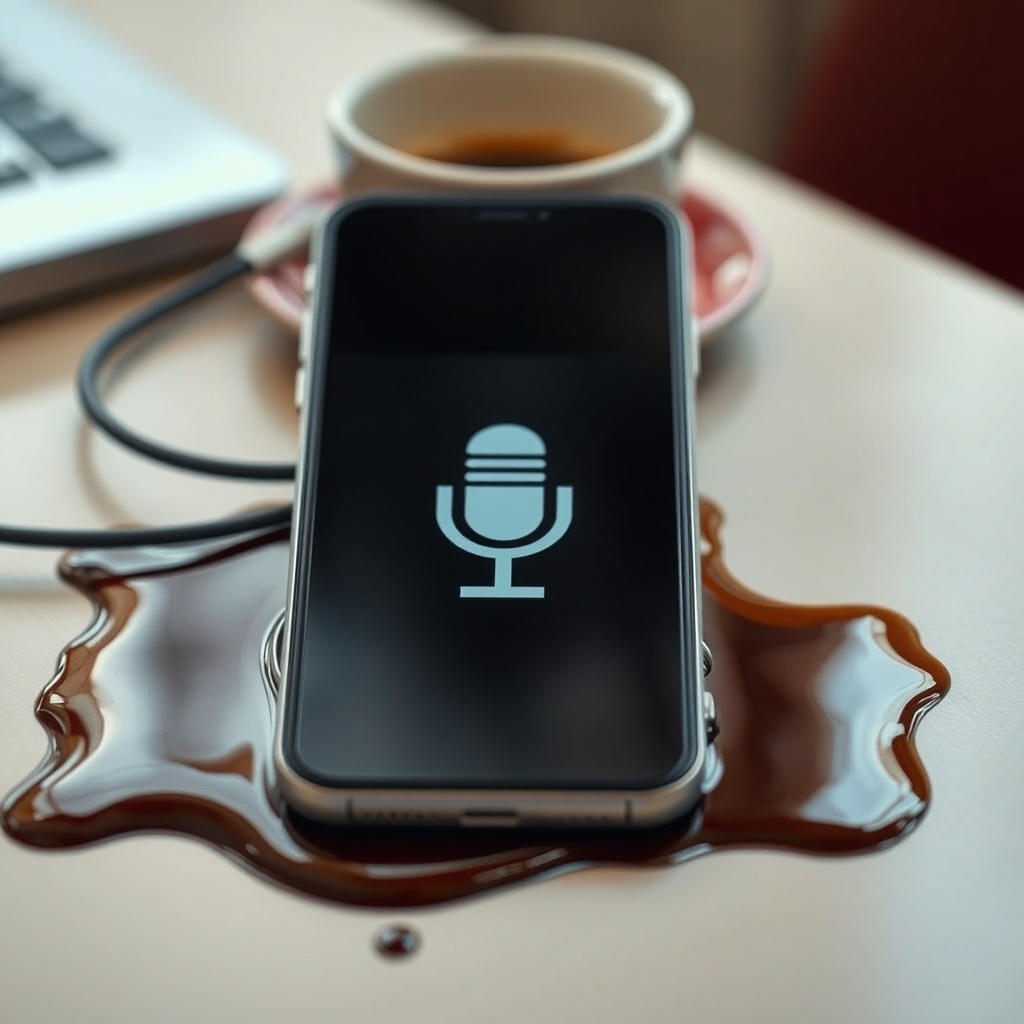
A huge category is the “I forgot the mic was on” fail, which is basically the modern version of talking trash in an elevator. Video calls feel casual, like you’re just chatting from your kitchen. But they’re weirdly formal. They create a record. They put your tone, your words, and sometimes your facial expressions in a box that can be forwarded, clipped, and replayed. People get fired not just for what they say, but for what it reveals: contempt for customers, disrespect toward coworkers, bias, or a willingness to cut corners. Even if you’re “just joking,” the organization hears, “This person is a liability when they think nobody’s watching.” And here’s the brutal part: you don’t need to be a villain to become a villain in the clip. A sarcastic comment that lands fine in a break room can sound vicious when it’s isolated and played back by someone who already dislikes you. Context doesn’t travel. Video does.
Then there’s the email and messaging version: the accidental reply-all, the wrong Slack channel, the screenshot that never dies. I once watched a coworker type a snarky message about a project lead, pause, and then very carefully copy it into a private chat, like someone defusing a bomb with oven mitts. That’s the correct energy. Because the fail isn’t the snark. The fail is the false sense of privacy. Workplace communication tools are basically office hallways with a search bar and a memory.

Another “captured in seconds” classic is the public meltdown. The angry customer service rant. The screaming match in a store. The parking-lot confrontation after a bad day. Phones turn these moments into permanent artifacts, and employers hate unpredictability more than they hate imperfection. You can be mediocre at your job and still be employable if you’re stable. But if there’s a viral clip of you losing control? That tells a future boss, “This might happen again, and I’ll be the one answering for it.”
What’s fascinating is how often these meltdowns are less about anger and more about status. People snap when they feel disrespected, ignored, or powerless, and they try to reclaim control through volume and intensity. It works in the moment. It’s also exactly what a camera turns into a cautionary tale. The clip usually starts after the buildup, so all viewers see is a person acting “crazy” with no backstory. That doesn’t excuse it, but it explains why the fail is so fast: the real emotional runway happened off-screen. The internet only gets the takeoff.
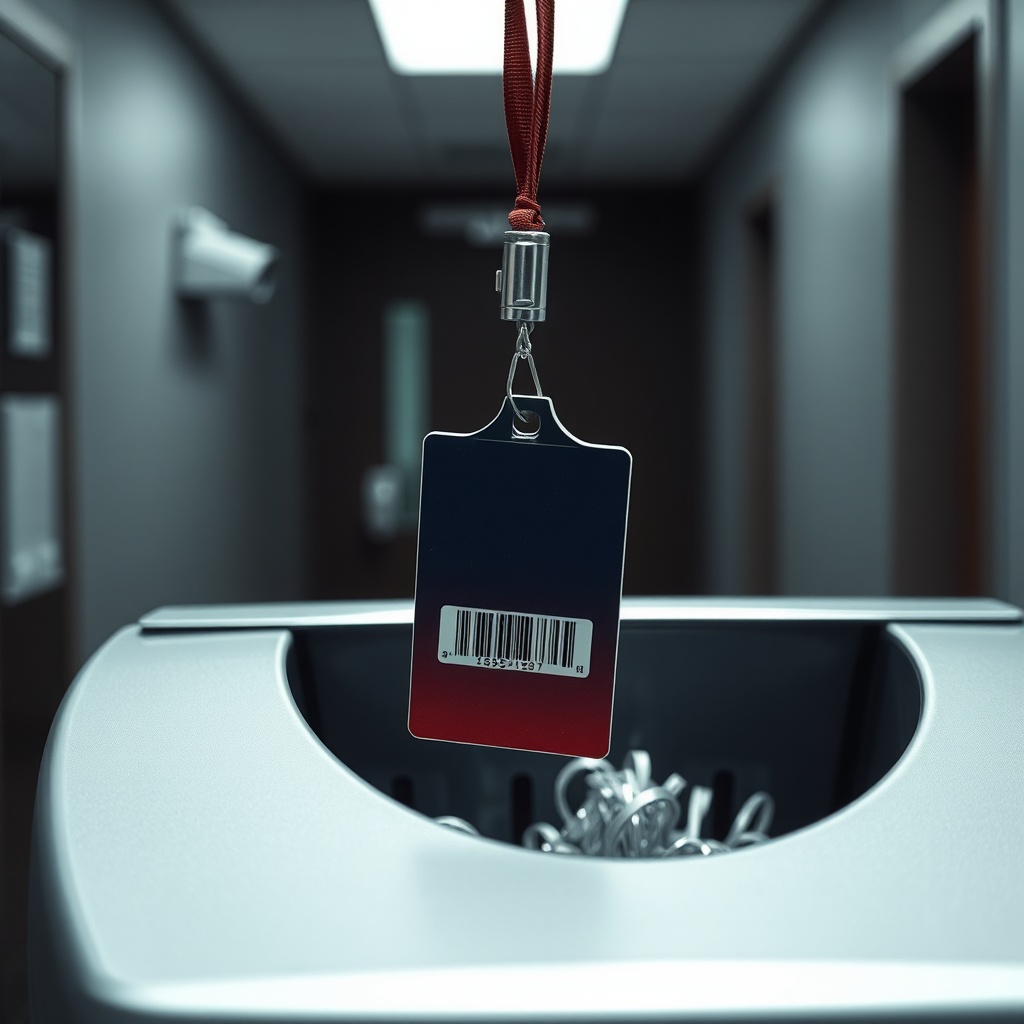
Some fails are quieter, almost boring, which is why they’re so common: “policy landmines.” Think filming in restricted areas, taking a selfie on a job site, messing with equipment for a joke, sharing confidential information in a casual way. A lot of people don’t realize how broad “confidential” can be. It’s not just trade secrets. It can be customer data, internal dashboards, whiteboards in the background, access badges, even a shipping label. Companies spend real money preventing leaks and protecting safety. When someone posts a “harmless” clip that shows too much, it signals, “This person doesn’t understand risk.”
Safety fails are the most brutal because the video makes the lesson instant. Hard hat not worn. Forklift stunt. Ignoring lockout procedures. It’s a career-fail speedrun because it’s not just a rule broken, it’s a rule broken in a way that could have injured someone. Employers can forgive mistakes. They don’t forgive turning the workplace into a Darwin Awards audition.

And then there are the “ethics in one small choice” moments. Padding hours. Taking credit for someone else’s work. Moving numbers around because “it’s just this quarter.” Using a company card like it’s a personal coupon. These fails often look tiny on camera: a quick swipe, a quick copy-paste, a quick pocketing of something. But what they represent is enormous. Trust is the actual currency at work. The moment you show you’ll trade trust for convenience, people stop giving you access. No access, no role. No role, no career.
One reason these clips hit so hard is that workplaces are built on invisible agreements. You’re not just hired to perform tasks. You’re hired to behave predictably under stress, to represent the company when no one’s supervising you, to keep private things private, to be boringly safe around expensive or dangerous stuff. Most “shocking career-fails” are really “shocking breaches of the invisible agreements everyone else is silently keeping.”

There’s also a social layer: sometimes the public thinks the person got “canceled” for nothing, but the employer sees a different equation. It’s not only morality. It’s cost. Viral incidents bring floods of emails, calls, reviews, and internal turmoil. Coworkers feel unsafe or embarrassed. Customers lose confidence. Even if the person didn’t technically break a law, the company may decide it’s cheaper to cut ties than to become part of the story. That doesn’t always feel fair. It is, however, very real. Companies are allergic to being a character in someone else’s viral narrative.
At the same time, the internet flattens nuance so aggressively that “career-fail” can become a kind of entertainment genre, where people forget they’re watching an actual human potentially lose rent money. I’ve laughed at clips and then immediately had that hangover feeling, like, “Ah. That’s someone’s Tuesday turning into a crater.” The healthiest way to watch them is like you’d watch a kitchen disaster video: not to savor the mess, but to quietly note where the fire extinguisher is.
The most useful takeaway is annoyingly simple. Assume everything is recorded. Assume anything you write can be forwarded. Don’t say the thing you wouldn’t want read aloud in a meeting. Don’t do the thing you wouldn’t want played on a loop. If you’re angry, give it ten minutes and a glass of water before you reply. If you’re unsure about a policy, ask the most boring person you know. They’re usually right.
Career-fails “captured in seconds” feel shocking because they look like sudden explosions. But most are just the final click in a long chain of small assumptions: nobody’s watching, it’s not a big deal, I’m the exception. The camera doesn’t create the mistake. It just makes the moment impossible to pretend didn’t happen.
Loved this story? Pulse it.
Pulses bubble up to the channel — they help us see which stories deserve sequels.
You might also like
Vault
Discover the Clitoris: Fun Facts You Didn't Know

Super El Niño: Unraveling Its Surprising Impact on U.S. Weather

Historical Torture Methods and Devices Explained