
Historical Torture Methods and Devices Explained
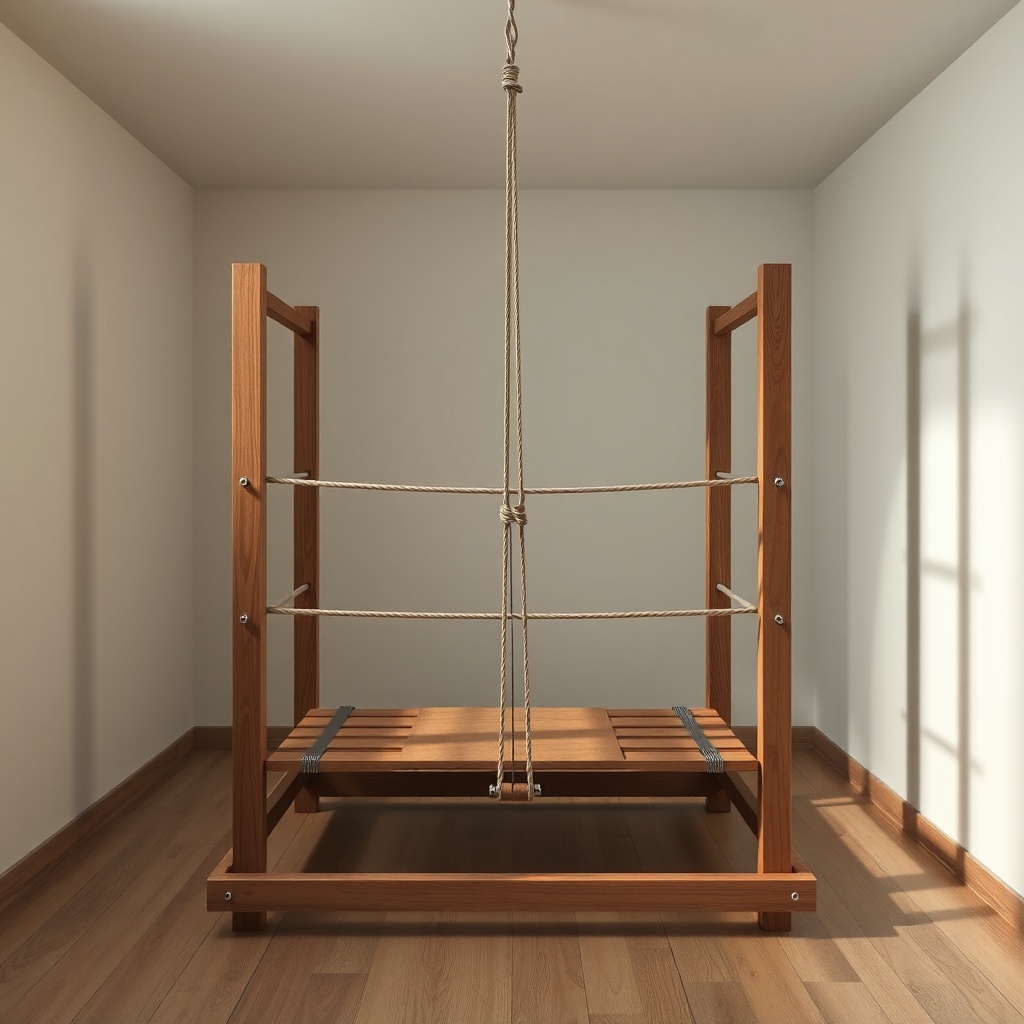
What’s the most unsettling part about “torture devices” from history? It’s not just the pain. It’s how often the real story is less about cartoonish machines and more about boring bureaucracy, fear, and people convincing themselves they’re doing something “necessary.”
A lot of the viral stuff you see in short-form videos is a cocktail of three ingredients. One. Genuine historical punishments that were horrifying but not always the elaborate contraptions we imagine. Two. “Enhanced” museum pieces built centuries later to sell tickets. Three. Modern myths that took off because they feel true. The trick is learning to tell which is which, and why humans keep inventing new ways to hurt each other with a straight face.
Here’s a premium, slightly grim tour through what actually existed, what probably didn’t, and what that says about us.
Let’s start with the big vibe shift: most historical torture wasn’t a dungeon full of inventive gadgets. It was a legal process. In many places and times, torture was treated like a tool of investigation, especially when courts believed a confession was the “queen of proofs.” If a system assumes the truth comes out when you squeeze hard enough, then pain becomes a technology. Not a chaotic act of cruelty, but paperwork with screams.
That’s also why torture devices tend to look “standardized” when they were real. Authorities wanted repeatable methods. Something an official could order and a jailer could apply without too much improvisation. And because it was “official,” it often came with rules. Yes, rules. Like limits on duration, or bans on certain methods. If that sounds like putting a seatbelt on a guillotine, you’re not wrong. People have always loved adding a thin layer of procedure to make the unbearable feel administratively normal.
The rack is one of the real ones. It’s not subtle, and that’s why it stuck in the public imagination. The concept is simple: restrain the body and slowly apply tension until joints dislocate. You don’t need a mad inventor. You need wood, rollers, and time. What makes it terrifying is that it’s painfully controllable. You can escalate by tiny increments. You can stop. You can start again. That “adjustability” is a theme you see in many verified methods, because interrogation wasn’t always about killing someone. It was about breaking them, then having them sign a statement.
Then there’s strappado. Picture someone’s hands tied behind their back, a rope over a beam, and their body hoisted up by their wrists. The shoulders can dislocate quickly. Sometimes additional weights were attached to the ankles. Again: minimal equipment, maximum suffering, and very “repeatable.” It’s basically physics weaponized.
And here’s the nasty twist. Even when someone confessed under torture, authorities knew confessions could be unreliable. But confessions were politically useful. They simplified messy situations into a narrative: “This person did it. We have the words. Case closed.” Torture wasn’t just about truth. It was about closing cases and reinforcing power.
Stocks, pillories, manacles, and other restraints also count, and they were everywhere. They’re less cinematic than, say, a spiked chair, but they’re brutally effective in a different way: public humiliation plus pain plus time. If you’ve ever had a cramp you couldn’t stretch out, imagine that for hours while people throw garbage at you. Social punishment can be its own kind of torture, and historically it was often the point. The community becomes part of the sentence. It teaches everyone else what happens when you step out of line.
Now for a moment of myth-busting, because the internet loves the “Iron Maiden” like it’s a certified medieval classic. The famous coffin-shaped spiked enclosure is… complicated. There were spiked devices in history, and there were certainly brutal enclosed punishments, but the iconic Iron Maiden as popularly depicted is widely believed to be a later fabrication or at least heavily embellished, with some examples likely assembled in the 18th or 19th century. Why? Because museums and collectors realized people will pay to feel horrified. A spooky object in a display case is an instant story, even if the story is mostly vibes and marketing.
That doesn’t mean medieval punishments were gentle. It means our modern imagination sometimes prefers theatrical evil over the banality of real violence.
Another viral favorite: the “pear of anguish.” A device that supposedly expands inside the mouth or other body cavities when a screw is turned. There are historical objects that resemble this, and there are claims about how they were used, but the evidence for widespread medieval use is shaky. Some versions might have been torture tools. Others might have been later creations, or misidentified instruments, or items that became “torture devices” after someone wrote a lurid label for them. This happens more than you’d think. If you hand an anonymous metal object to a bored curator and say, “Make it scary,” you’ll get a story.
When you look at documented torture, you keep running into methods that don’t require elaborate hardware at all. Sleep deprivation. Stress positions. Exposure to cold. Confinement in tiny spaces. The “cold” part especially is terrifying because it’s quiet. No blood. No spikes. Just a person shivering, unable to rest, losing their grip on time. Modern research also makes clear why it’s effective at breaking people psychologically. The brain is not built to function without sleep. You don’t need a dungeon aesthetic. You need a clock and permission.
And permission might be the scariest device of all.

There’s also a historical reality that doesn’t get enough screen time: torture was often paired with medicine. Not to help the victim, but to keep them alive or conscious. In some legal systems, a doctor or surgeon might be present, not as a hero, but as a technician. That detail makes your skin crawl because it shows how institutions absorb cruelty into normal roles. The healer becomes an accessory. The “expert” becomes a safety feature for the process.
So why do these torture stories go viral now, especially as shorts? Because they do three things at once. They trigger instant emotion. They feel like forbidden knowledge. And they offer a clean villain: “People back then were monsters.” That last part is comforting. It draws a line between us and them.
But if you dig even a little, the line gets blurry. The forms change. The justifications rhyme. Whenever a society decides certain people are outside moral protection, the toolbox appears. Sometimes it’s a rope and a beam. Sometimes it’s isolation and paperwork. Sometimes it’s a policy memo that uses calm language to describe cruelty. That’s not ancient history. That’s a human pattern.
The genuinely shocking part isn’t that torture existed. It’s that it keeps reappearing whenever fear, certainty, and power form a little alliance. And it’s always sold as temporary, controlled, and necessary. Until it isn’t.
If you want the real “you won’t believe this existed” moment, it’s this: the most effective torture methods are often the least cinematic. No gothic machines. Just ordinary spaces, ordinary tools, and a system that decides suffering is acceptable because of who’s doing it to whom. That’s the kind of history that sticks with you after the video ends.
Loved this story? Pulse it.
Pulses bubble up to the channel — they help us see which stories deserve sequels.
You might also like
Vault
Sharon Stone's Husband and the Komodo Dragon Encounter

Ben Affleck Card Counting Casino Ban Explained

Unlocking the Mystery: The Luteal Phase's Secret Evolutionary Edg