
Discover the Clitoris: Fun Facts You Didn't Know
If you think the clitoris is “a tiny button,” you’re missing most of the story. That little visible nub is real, sure. But it’s kind of like judging an iceberg by the part poking above the water. The clitoris is a whole organ, mostly internal, built from erectile tissue, packed with nerve endings, and designed primarily for pleasure. That’s already a fun fact, and also a low-key scandal that so many of us grew up never hearing it said plainly.
One of the first surprising things is the scale. The part people typically mean when they say “clitoris” is the glans, the external tip. It’s usually only a few millimeters to about a centimeter-ish across, and it’s covered partly by a fold of skin called the clitoral hood, which is basically the clitoris’s personal hoodie. Under the surface, though, the structure branches into two “legs” called crura that run along the pubic bone, plus two bulbs of erectile tissue that sit around the vaginal opening. When arousal happens, these tissues can swell, firm up, and become more sensitive. So when people talk about “internal” clitoral stimulation, it’s not mystical or imaginary. It’s anatomy.
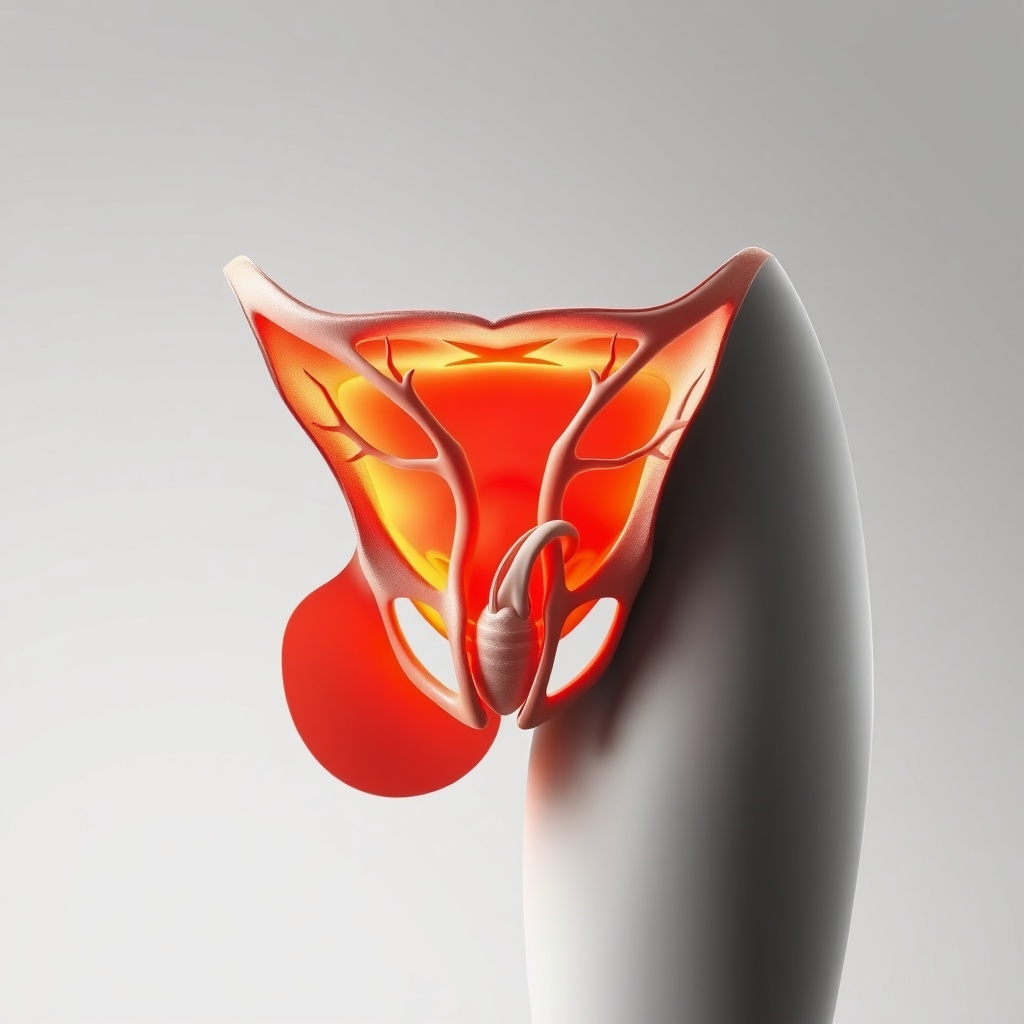
Another thing that’s wild, once you notice it, is how the clitoris changes with the body. It’s made of erectile tissue, like a penis, and it responds to arousal with increased blood flow. That can mean subtle swelling, more sensitivity, and sometimes a visible change in how much of the glans is exposed. Some people experience what’s basically a mini erection. If you’ve ever heard someone describe it as “waking up,” that’s not poetic, it’s literally increased circulation and tissue engorgement. And because bodies are bodies, the exact response varies. Some people like direct touch. Some find direct touch too intense and prefer stimulation through the hood or nearby areas. Both are normal. No one is “built wrong” because their wiring is a little different.
Speaking of wiring. People love throwing around the “number of nerve endings” fact, usually with a confident tone like they just read it off a cereal box. You’ll often hear “8,000 nerve endings.” That number gets repeated a lot because it’s catchy and points in the right direction: it’s extremely sensitive. But the deeper point isn’t the exact count, it’s what those nerves do. The clitoris has dense sensory innervation, and it feeds into brain circuits that interpret touch as pleasure. That’s why tiny differences in pressure, angle, rhythm, and even context can massively change how it feels. It’s also why lubrication, comfort, and pacing matter. Your nervous system is not a light switch. It’s a stereo with a hundred knobs.
Here’s the part that makes a lot of people go, “Wait, seriously?” The clitoris and the penis start from the same embryological tissue. Early in fetal development, there’s a structure that can become a glans penis or a clitoral glans, and folds that can become a scrotum or labia, depending largely on hormone signals. That’s why the clitoris and penis share features: erectile tissue, a glans, a hood/foreskin analog, and a similar “inflation” response. The differences are real, but the blueprint overlap is huge. It’s like two houses built from the same floor plan, one with an extra wing.
A quick detour into why so many people don’t know any of this. For a long time, medical education and diagrams treated female sexual anatomy like an optional side quest. The vagina and uterus got the spotlight because reproduction. Pleasure anatomy got a shrug. That trickled down into sex ed, pop culture, and awkward conversations where everyone pretends the clitoris is either mysterious or frivolous. Even modern textbooks have had gaps, though things are improving. If you ever wondered why you can find a million detailed diagrams of erectile function for men and far fewer for women, that’s not because the information doesn’t exist. It’s because somebody didn’t think it mattered. Which is a take that ages badly.

Now for a practical, quietly important point: “vaginal orgasm” versus “clitoral orgasm” is often framed like two separate species. But anatomically, they’re not enemies. A lot of what people experience as vaginal pleasure can involve the internal portions of the clitoris, especially where erectile tissue and nerves are close to the vaginal wall. Different angles or pressure can stimulate different parts of the overall clitoral complex, plus other sensitive areas like the vaginal entrance, pelvic floor, and cervix in some people. The body doesn’t care about our categories. It’s all one interconnected neighborhood down there, and sometimes the pleasure is coming from the house next door even if you think you’re ringing the front doorbell.
There’s also a “learning curve” element that nobody mentions enough. The clitoris isn’t a cheat code you press once. Arousal can be gradual, and it’s influenced by stress, sleep, hormones, medication, mood, and feeling safe. I once had a friend describe it as trying to enjoy a song while someone’s asking you to do taxes in the background. If your brain is tense, sensation can feel muted or even irritating. That’s not a moral failure. It’s biology and context doing what they do.
Fun fact that’s actually useful: the clitoral hood varies a lot between individuals, and that can change what kind of touch feels best. Some people have more hood coverage, some less. Some have a glans that sits more exposed. Some have a glans that’s more tucked in. None of that is a “better” version. It’s just variation, like earlobes. And it helps explain why advice that works perfectly for one person can be painfully wrong for another. It’s also why communication matters more than any “one weird trick” you saw in a comment section.
Another underrated fact is that the clitoris isn’t frozen in time. It can change across the lifespan. Puberty, pregnancy, postpartum shifts, menopause, and hormone therapy can all affect tissue sensitivity, lubrication, and arousal patterns. Testosterone influences erectile tissue responsiveness in all bodies, not just male bodies, so changes in hormones can change how easily the clitoris engorges or how intense sensation feels. Again, normal. Bodies are not static machines. They’re living systems that keep rewriting their settings.
If you take only one thing from all of this, make it this: the clitoris is not a rumor, not a “bonus,” and not a tiny isolated dot. It’s a substantial organ with a surprisingly large internal structure, designed for pleasure, and tightly connected to the rest of pelvic anatomy and the brain. The fact that so many people are shocked by that says less about the clitoris and more about how casually we’ve treated knowledge about it.
And maybe the most wholesome “fun fact” is that learning the real anatomy tends to make people kinder. Kinder to partners, because you stop assuming there’s a universal button sequence. Kinder to themselves, because you stop treating your responses as a test you’re failing. Pleasure works best when it’s not under interrogation. Knowledge helps. So does a little patience, a little curiosity, and the willingness to admit, sometimes, that the human body is doing something complicated and very cool.
Loved this story? Pulse it.
Pulses bubble up to the channel — they help us see which stories deserve sequels.
You might also like
Vault
Super El Niño: Unraveling Its Surprising Impact on U.S. Weather
Historical Torture Methods and Devices Explained
Sharon Stone's Husband and the Komodo Dragon Encounter