Secrets of the Minoan Snake Goddess Revealed
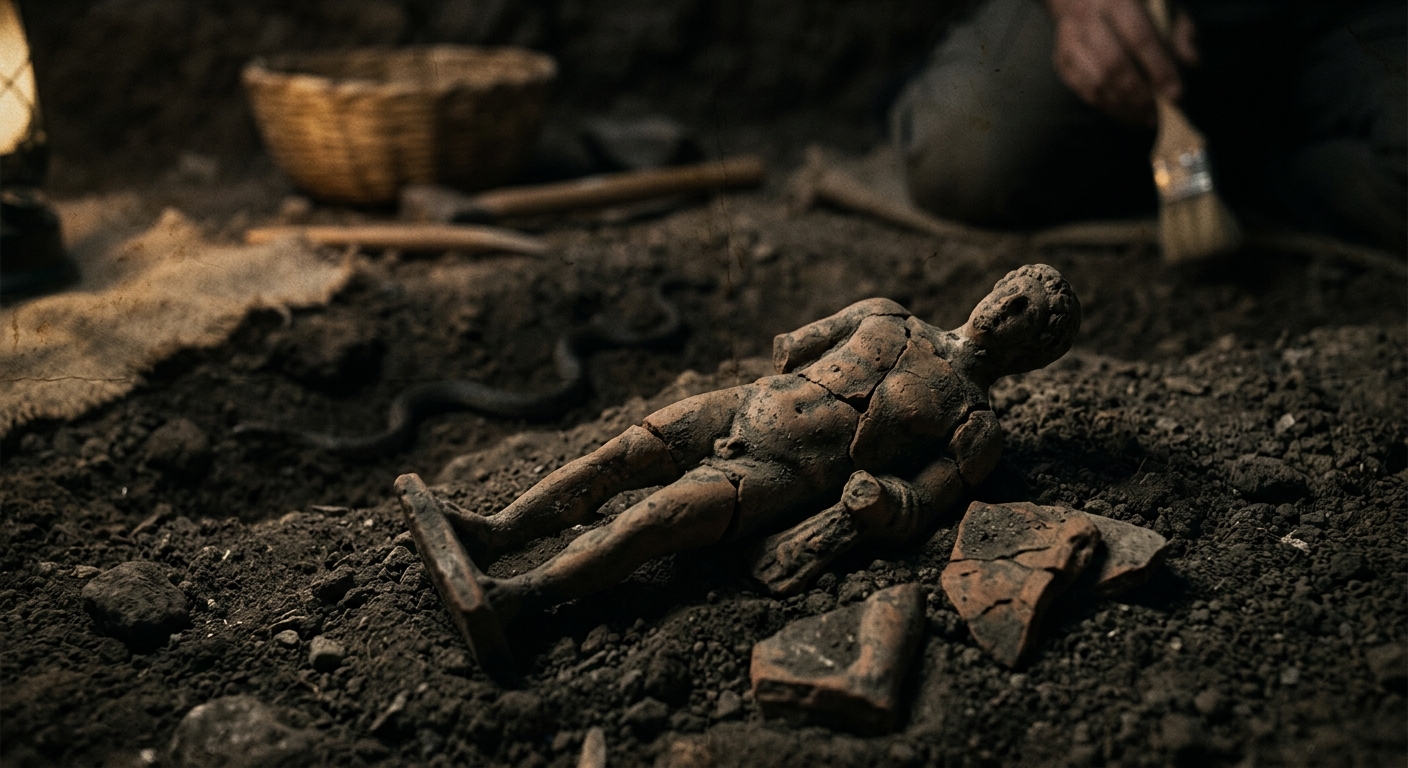
Some mysteries don’t start with a scroll or a inscription. They start with a pair of wide eyes staring out from fired clay, and two snakes rising like questions from a woman’s hands.
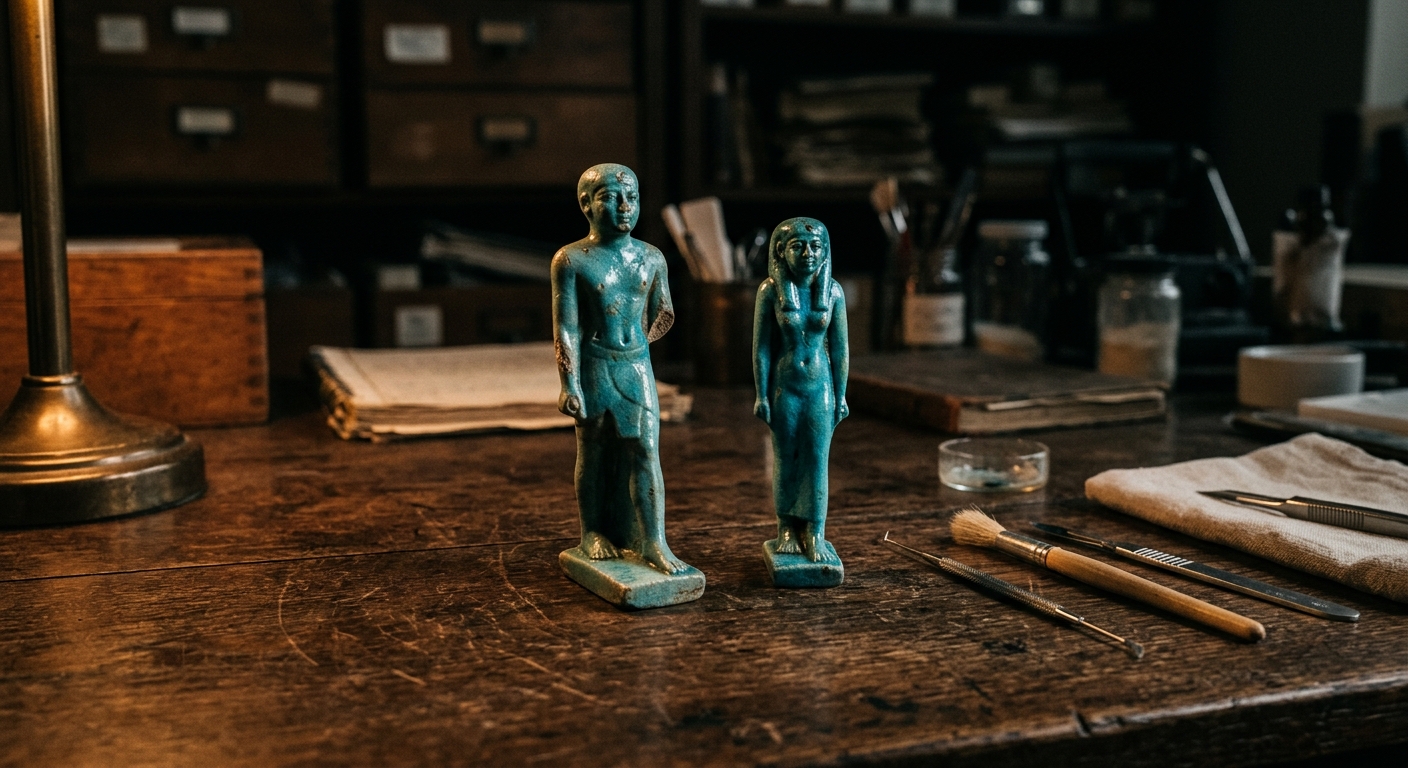
The so-called “Snake Goddess” figures belong to the Minoan world, the Bronze Age culture centered on Crete, flourishing roughly in the second millennium BCE. They’re small, handheld figurines, mostly faience, a glossy glazed material that looks like it’s trying to imitate something more precious. The best known examples were uncovered in 1903 at Knossos by the British archaeologist Arthur Evans, during his dramatic, headline-friendly excavations of what he identified as a palace complex. Evans found them in what he called the Temple Repositories, a set of pits or storerooms filled with broken ritual objects. That find spot matters because it frames everything that came after. These weren’t pristine icons on a public altar. They were fragments, deliberately deposited, like the leftovers of a ceremony we can’t quite reconstruct.
The figures themselves are instantly memorable. A bare-breasted woman in a flounced skirt, tight bodice, and apron, holding snakes that coil up her arms. On some versions, a catlike creature perches on her head, often described as a feline, maybe a lion, maybe something symbolic rather than zoological. The styling matches what we see in Minoan art: elaborate textiles, narrow waists, strong posture. If you’ve ever stood in front of Minoan fresco fragments, you know the feeling. It’s lively, almost modern in motion, but it’s also ceremonial. No one is dressed like that to carry groceries.
What did she represent. A goddess. A priestess. A worshipper. A protective spirit. The answer is that we don’t know, and anyone who says they know is either selling something or kidding themselves. “Snake Goddess” is a label, not a proven identity. Evans loved the idea of a central mother goddess cult, and his interpretations shaped the popular story for a century. But archaeology is a long argument held in polite tones. Later scholars have pushed back: the figurines could depict priestesses or ritual participants rather than a deity. The small size suggests personal or household ritual, but the find context at Knossos hints at palace-controlled religion too. Minoan religion seems to have blended domestic and elite practice in ways we still struggle to map.
Still, snakes. Snakes are the clue everyone grabs first. In many ancient cultures, snakes signal regeneration, because they shed their skin. They also signal danger and protection, because they live close to the ground, in crevices, in thresholds, in the places a house is most vulnerable. On Crete, snakes may have been associated with households, storage rooms, and the underworld. Some scholars connect them to chthonic power, the earth’s hidden forces, the sort of thing you propitiate because you cannot command it. A snake in the hand is either a sign of control, or a sign of intimacy with something most people avoid. Either way, it reads as power.
Then there’s the costume. Minoan dress in art often shows women with open bodices and exposed breasts, which modern viewers tend to interpret through modern eyes, and that’s a mistake. It may have been ceremonial clothing, perhaps signaling status, perhaps fertility symbolism, perhaps just a style with religious meaning in context. The skirt’s layered flounces feel like a statement: wealth, skill, and identity stitched into fabric. The figurines are not crude folk art. They were made with intention, and the material, faience, suggests technical knowledge and trade connections. Crete was not isolated. The island sat in a web of exchange with Egypt, the Levant, and the Aegean. Ideas traveled with goods.
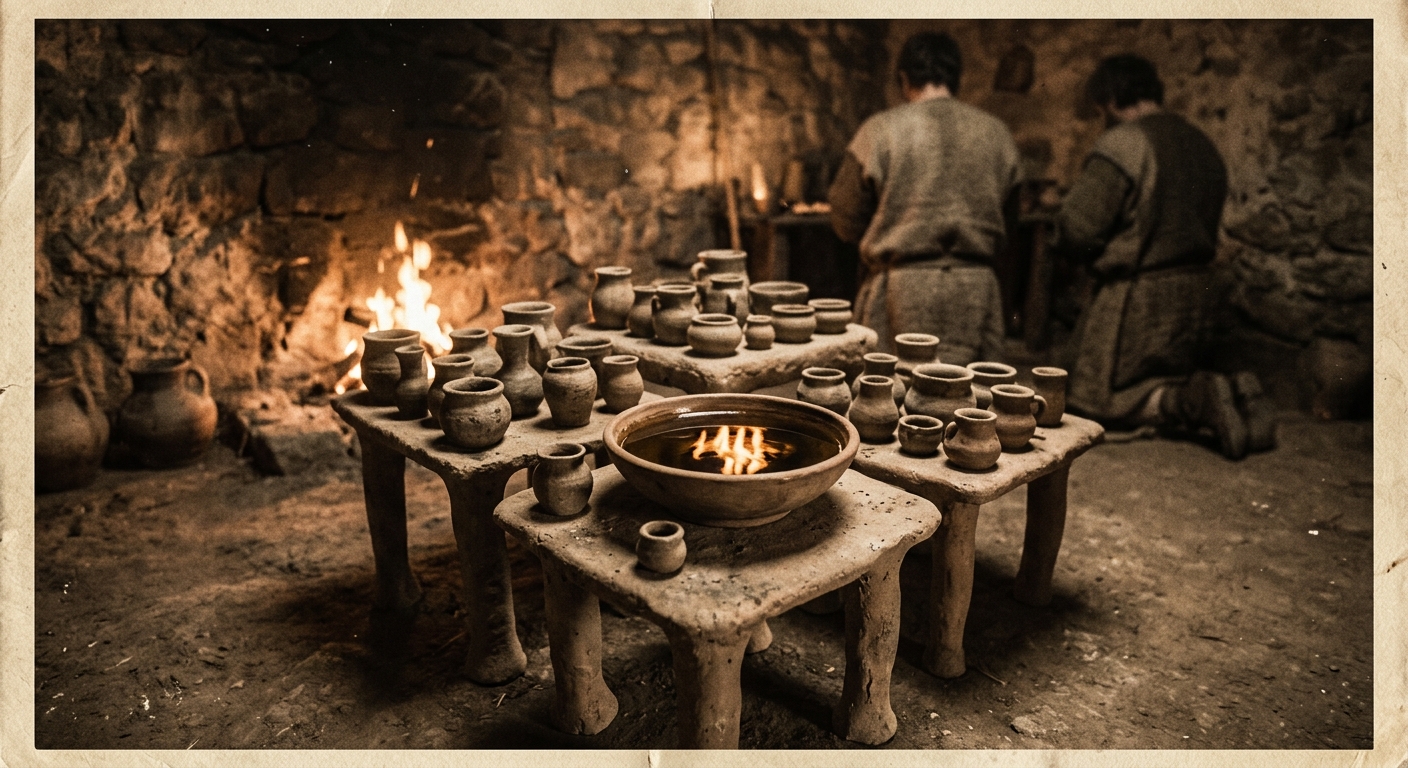
The Temple Repositories at Knossos complicate the story further. The figurines were found broken, and not randomly. They were part of a deposit that included other ritual items, suggesting an episode of destruction, clearing, or renewal. Was it aftermath of an earthquake. Crete is seismically active, and Minoan sites show repeated rebuilding. Was it ritual “killing” of objects, deliberately breaking sacred items when a shrine was renovated or a ceremony concluded. Both ideas have supporters. Archaeology often lives in that tension between disaster and decision, and sometimes the truth is a messy combination of both.
Of course, Knossos is its own minefield, because Evans didn’t just excavate. He reconstructed. He rebuilt sections of the palace with modern materials, guided by his vision of what Minoan Crete “should” have looked like. When I first learned that, I laughed, then I stopped laughing. Reconstruction can be helpful, but it also imprints a story on the ruins. With the Snake Goddess, the problem isn’t that the figurines are fake. They are real artifacts. The problem is that the narrative around them, the neat “this is the goddess of X,” is often more confident than the evidence allows.
So why do these figurines matter. Because they sit at the intersection of art, religion, and political power in a society that left us no readable historical texts. Minoan writing systems existed, like Linear A, but they remain undeciphered. That means images do more work than they usually have to. A figurine becomes an argument. Every detail, the snakes, the posture, the animal on the head, the way the skirt falls, becomes evidence. And because we can’t cross-check it against a myth written down centuries later, as we might with Greek religion, we’re forced to accept uncertainty. That’s uncomfortable. People like their ancient mysteries solved and wrapped in string.
The Snake Goddess also matters because she has shaped the modern imagination of the Minoans. She’s often used as shorthand for a peaceful, goddess-centered culture. That image is seductive, and not entirely grounded. Minoan art does show nature and ceremony with a vivid hand. But the Minoans also built fortified sites in some periods, they controlled resources, and they lived in a Bronze Age world where violence was never far away, even if it wasn’t the only story. The figurines tell us something about ritual life and aesthetics, not that the Minoans were saints.
And there’s a quieter consequence too: these objects helped define early twentieth-century archaeology in the public eye. Evans’s discoveries at Knossos became a kind of cultural sensation. The Snake Goddess, compact and striking, was easy to reproduce in books and museum displays. She became a gateway artifact, the thing that makes people lean in. That has real effects. It drives funding, tourism, scholarship, and sometimes wishful thinking.
If you want the secret of the Snake Goddess, it isn’t a single decoded meaning. It’s the tension she holds in her small body. A society we glimpse through fragments. A ritual language we can’t fully translate. An image of power that could be divine, human, or deliberately blurred between the two. People still talk about her because she refuses to settle into one role. She stays on that threshold, snakes lifted, daring us to admit how much of the ancient world is felt more than it’s known.
Loved this story? Pulse it.
Pulses bubble up to the channel — they help us see which stories deserve sequels.