The Night the Sky Rained Fire: 1833 Meteor Storm
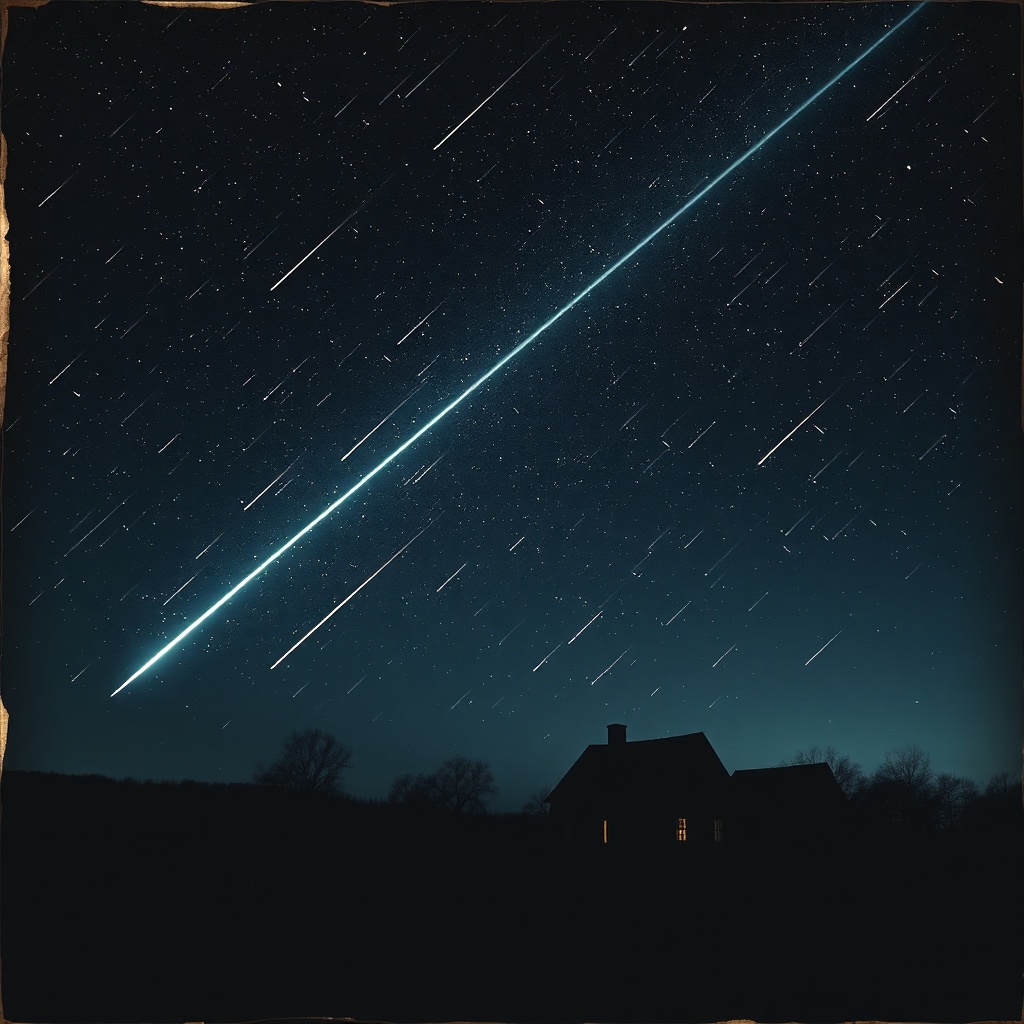
What would you do if the sky suddenly looked like it was breaking, and every few seconds another white-hot line ripped through the darkness. On the night of November 12 to 13, 1833, much of North America got that exact experience. People later reached for the biggest words they had, and when those ran out, they reached for scripture, for omen, for the end of time. It wasn’t just a pretty shower. It was a storm. A sky that seemed to rain fire.
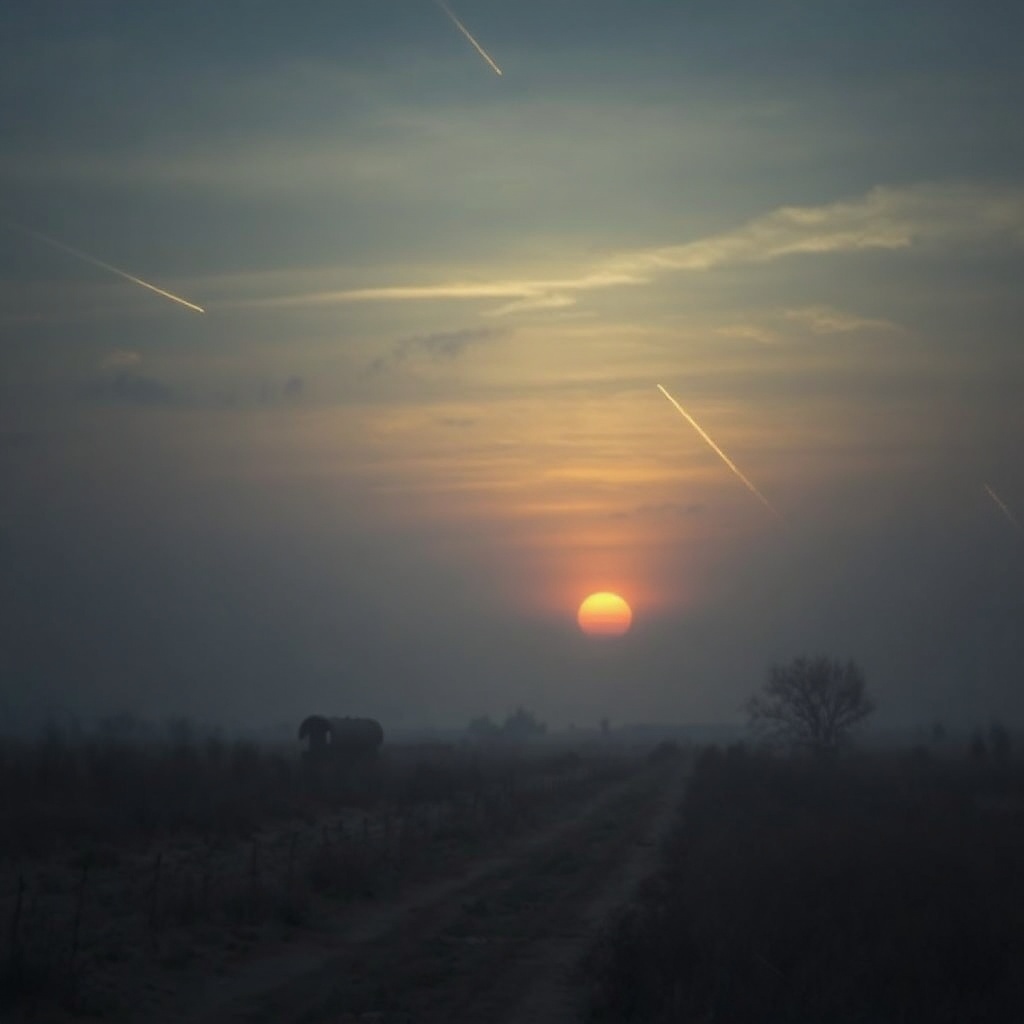
Most meteor showers are polite. You step outside, shiver a little, maybe catch a handful of streaks, then go back in to your life. This one was different. Reports from the time describe thousands of meteors an hour, sometimes so many that it was hard to look anywhere without seeing motion. The air wasn’t actually burning, of course, but the human brain does not calmly process a night sky that behaves like a battlefield. Even now, I’ve seen a single bright meteor and felt that primitive jolt. Multiply that by a sky full of them, and you can understand why people woke their families, why prayers started, why some thought the sun might not come back.
The Leonid meteor shower is what we call it today, because the meteors appear to radiate from the constellation Leo. In 1833, that label wasn’t common household knowledge. Astronomy existed, sure, but for many communities it lived in books, observatories, and the occasional newspaper column. Out in towns and farms, people navigated the night by experience, not by catalog. So when the heavens behaved in a way no living person remembered, it arrived as a message. Accounts vary by place and by teller, but the overall pattern is consistent: the display was widespread, intense, and unforgettable. It was seen across large stretches of the United States and into parts of Canada. The timing mattered too. This was the deep night, when most people were asleep and the surprise hit hardest.
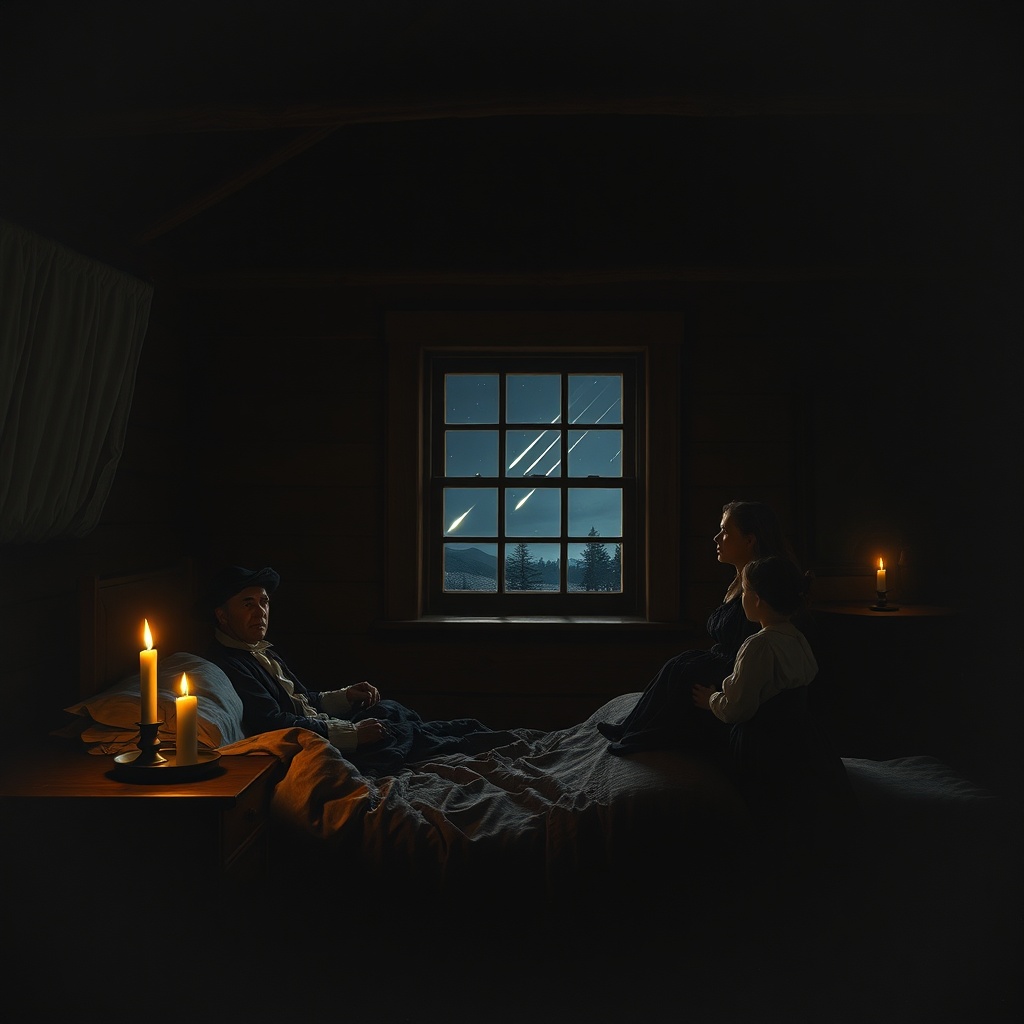
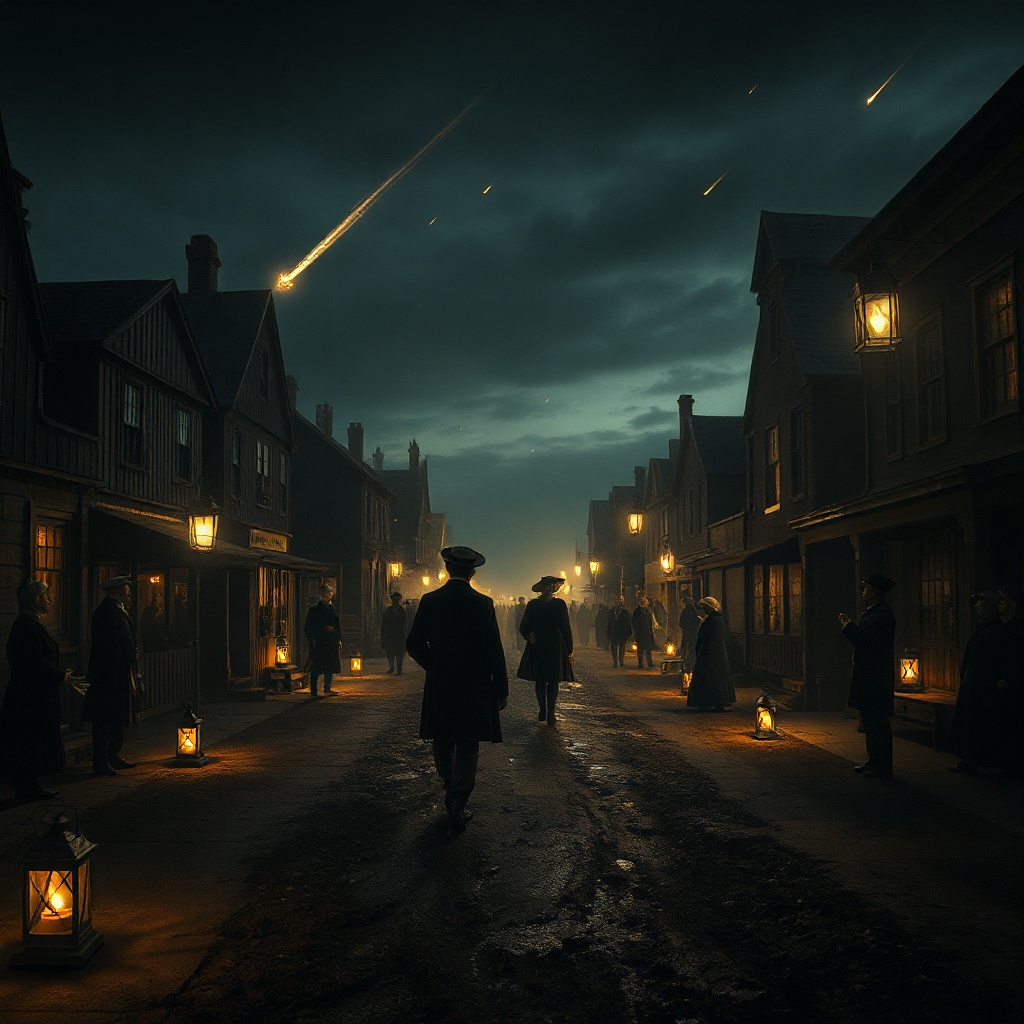
And surprise is part of the chemistry of fear. Imagine being shaken awake by a neighbor pounding on the door. Imagine stepping outside and finding the sky filled with streaks, sometimes described as falling in every direction, sometimes as a dense, ceaseless barrage. A few reports mention people thinking cities were on fire in the distance, or that the world itself was igniting. Others describe a strange brightness, as if the night had been thinned. The best witnesses often make the simplest point: there were just so many meteors.
There’s an important thing to say carefully. Not every quote that circulates online is trustworthy, and some of the most vivid lines attached to 1833 are difficult to trace to a primary source. But the broad historical reality is not in doubt. Newspapers, diaries, and later scientific discussions all treat it as a real event of exceptional magnitude. It became, for many Americans, the meteor storm, the one by which other sky-wonders would be measured.
Science was in an interesting place in the 1830s. People debated what meteors even were. Some still leaned toward atmospheric explanations, as if these streaks were weather of the upper air. But events like this forced the conversation outward, literally. If the entire continent could see it, if the display followed patterns, if it returned, then maybe it wasn’t local at all. Maybe it was astronomical.
It helped that careful observers were watching. Among the names often connected to the scientific interpretation is Denison Olmsted, a Yale professor who studied the storm and argued that the meteors were not random atmospheric sparks but a phenomenon originating beyond the Earth, with a radiant point in Leo. That idea, that meteors could be part of a stream of debris in space intersecting Earth’s orbit, was a step toward the modern picture. Not the final step. Science rarely arrives with a drumroll. But 1833 was one of those nights when nature did the shouting for the lecture hall.
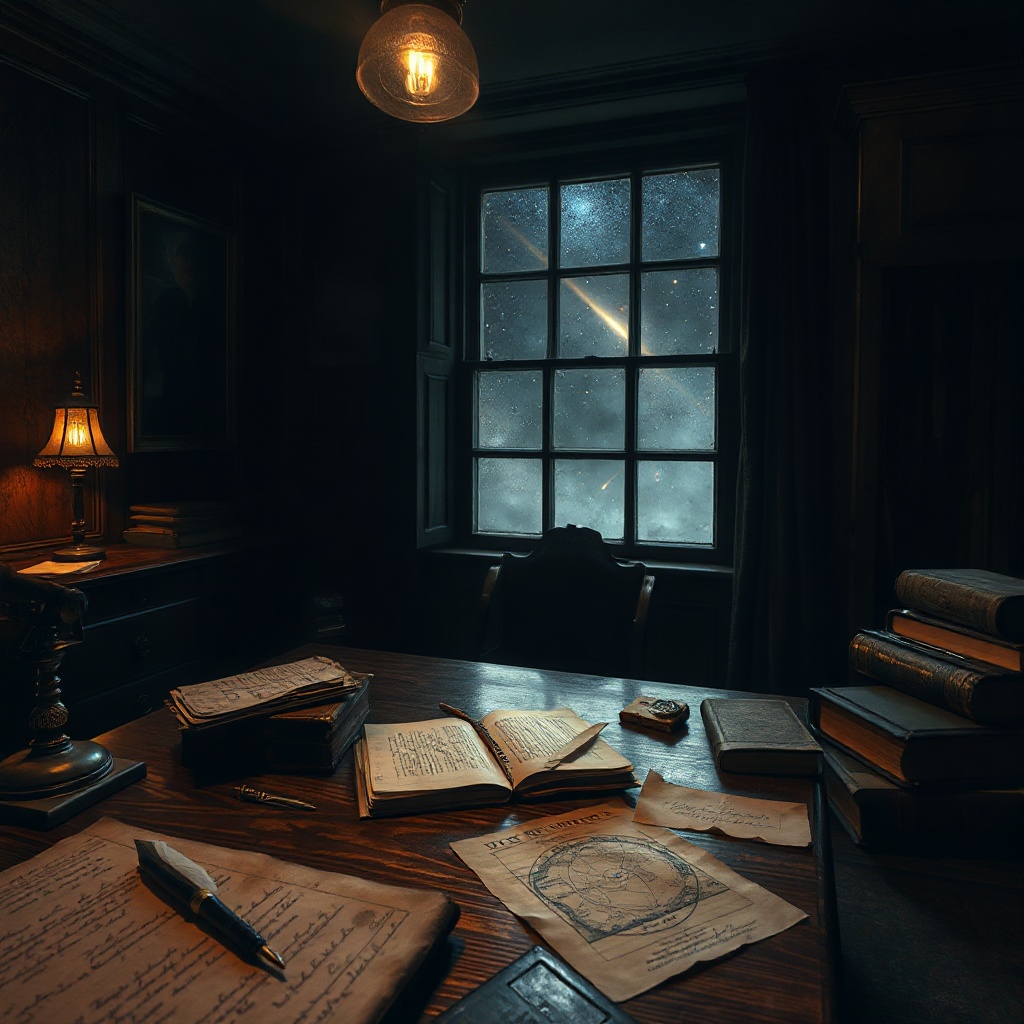
Today we connect the Leonids to Comet Tempel-Tuttle, whose debris Earth plows through, producing periodic outbursts. That comet’s orbit is about 33 years, and historically the Leonids have indeed had storms and near-storms at roughly that interval. But it’s worth being precise. The 1833 storm was extraordinary, and while later returns have produced spectacular displays, they don’t always match that legendary density. Nature doesn’t promise encores on schedule. The stream shifts, the timing changes, the concentration varies. Even with modern models, meteor storms are not clockwork the way an eclipse can be. They’re more like old weather patterns in a place you only visit once every few decades.
What fascinates me is how quickly an event like this becomes two stories at once. There’s the physical story, a planet cutting through a trail of comet dust, tiny particles hitting our atmosphere at immense speed, burning up high overhead. Then there’s the human story, which can be louder. In 1833, the United States was a nation in motion, full of religious revivals, political arguments, expansion, and unease. Many communities were steeped in biblical imagery, and the language of “stars falling” was ready at hand. For some, the storm confirmed fears or hopes about the end times. For others, it simply rearranged their sense of what the sky could do.
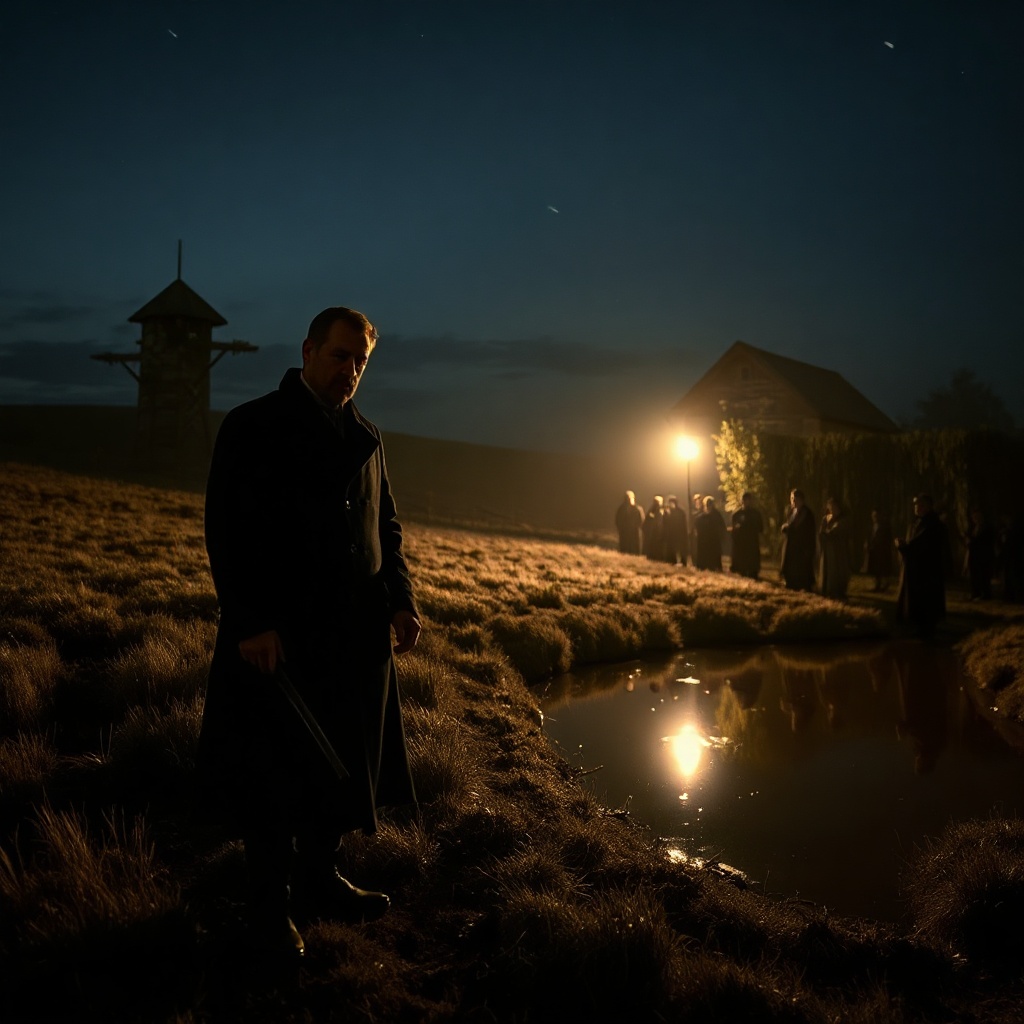
There’s also a cultural afterlife here that doesn’t always get enough attention. In Black American history, the 1833 meteor storm has sometimes been remembered in oral tradition as a night of dread and prophecy, folded into the lived reality of slavery and the longing for deliverance. Memory is complicated, and not every retelling can be pinned to a document, but the very fact that the storm lodged itself in community storytelling tells you what kind of impact it had. When the sky performs a once-in-a-lifetime spectacle, it becomes part of how people explain their lives to one another.
If you zoom out, 1833 sits at a turning point in how ordinary people related to science. The event was widely witnessed, widely discussed, and eventually widely explained in natural terms. It didn’t erase religious interpretation, and it didn’t require anyone to stop feeling awe. It did, however, help build the idea that the heavens had patterns you could study, not just signs you could fear. The storm nudged meteors from the realm of superstition toward the realm of astronomy.
The consequences weren’t a single invention or law, but a slow recalibration. Meteor science matured. Comets and debris streams became more than curiosities. Observers began to treat meteor showers as predictable events with radiant points, rates, and cycles. That’s the kind of boring-sounding progress that quietly changes the world. The next time a meteor shower came around, people looked up with a notebook, not just a prayer.
And yet, the fear and wonder remain part of the story. Even with all our charts and apps, a meteor storm still hits the same nerve. It reminds you, in the most visual way possible, that Earth is moving through a messy solar system, that space is not empty, that our atmosphere is a shield you can watch working in real time. The 1833 Leonid storm still matters because it was a rare moment when millions of eyes were turned upward at once, watching the universe collide with their expectations. People still talk about it for the same reason they talked about it the next morning. The night sky, for a few hours, stopped being background. It became the main event.
Loved this story? Pulse it.
Pulses bubble up to the channel — they help us see which stories deserve sequels.
You might also like
Vault
The Plague That Shook an Empire
History’s First Treaty: Egypt & Hittites Unite
The Dead Pope’s Trial: Cadaver Synod Mystery