How 700 Knights Defied an Empire
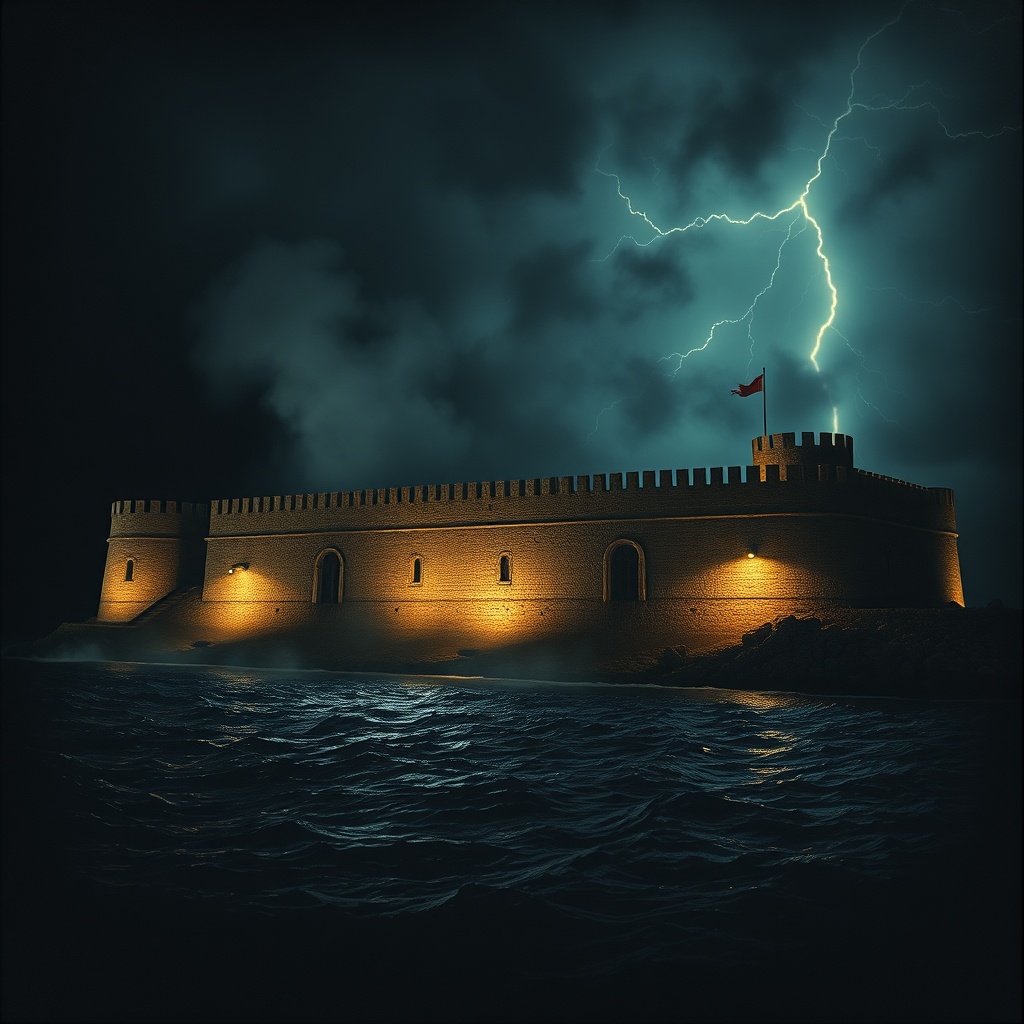
Seven hundred knights against an empire is the kind of number that sounds like a dare. And in 1565, on a sunbaked cluster of rocks in the central Mediterranean, it pretty much was. The place was Malta, the defenders were the Knights of the Order of Saint John, and the attacker was the Ottoman Empire at the height of its sea power. The story people retell is simple. A tiny garrison refused to fold. The real story is messier, louder, and full of limestone dust, splintered oars, burned powder, and arguments in multiple languages shouted over cannon fire.
By the mid sixteenth century the Knights Hospitaller were veterans of exile. They’d once ruled Rhodes, until the Ottomans pushed them out in 1522. After some diplomatic wandering, they were granted Malta by the Spanish crown in 1530. Malta wasn’t rich. It was strategically placed. It sat like a hard knot in the shipping lanes between North Africa, Sicily, and the eastern Mediterranean. From there, the knights and their allies struck at Ottoman and North African shipping, and the Ottomans struck back. Call it privateering, holy war, piracy, or all three depending on who’s buying the drinks that night.
The Ottoman decision to take Malta wasn’t just revenge. It was logistics. Control Malta, and you threaten Sicily and southern Italy. You also make life easier for Ottoman fleets moving west. The attacking force that arrived in 1565, led by senior Ottoman commanders including Mustafa Pasha and Piyale Pasha, was enormous by any standard of the time. Exact numbers are debated because, as always, everyone counted in ways that flattered their own narrative, but we’re talking tens of thousands of soldiers and sailors, plus artillery and engineers. Against them stood the Order’s Grand Master, Jean Parisot de Valette, a hard, experienced man in his seventies, and a mixed garrison of knights, professional soldiers, Maltese militia, and other supporters. When people say “700 knights,” they’re pointing at the core elite. The actual defending manpower was larger, but still wildly outmatched.
The siege opened in late May. The Ottomans had to make a choice immediately. Do you hit the main fortified towns around the Grand Harbour first, or do you neutralize the smaller fort that guards the approaches? They chose the smaller one, Fort St. Elmo, sitting at the tip of the Sciberras Peninsula like a clenched fist. It wasn’t the biggest prize, but it was the key to safe anchorage and artillery positioning. In siege warfare, keys matter more than crowns.
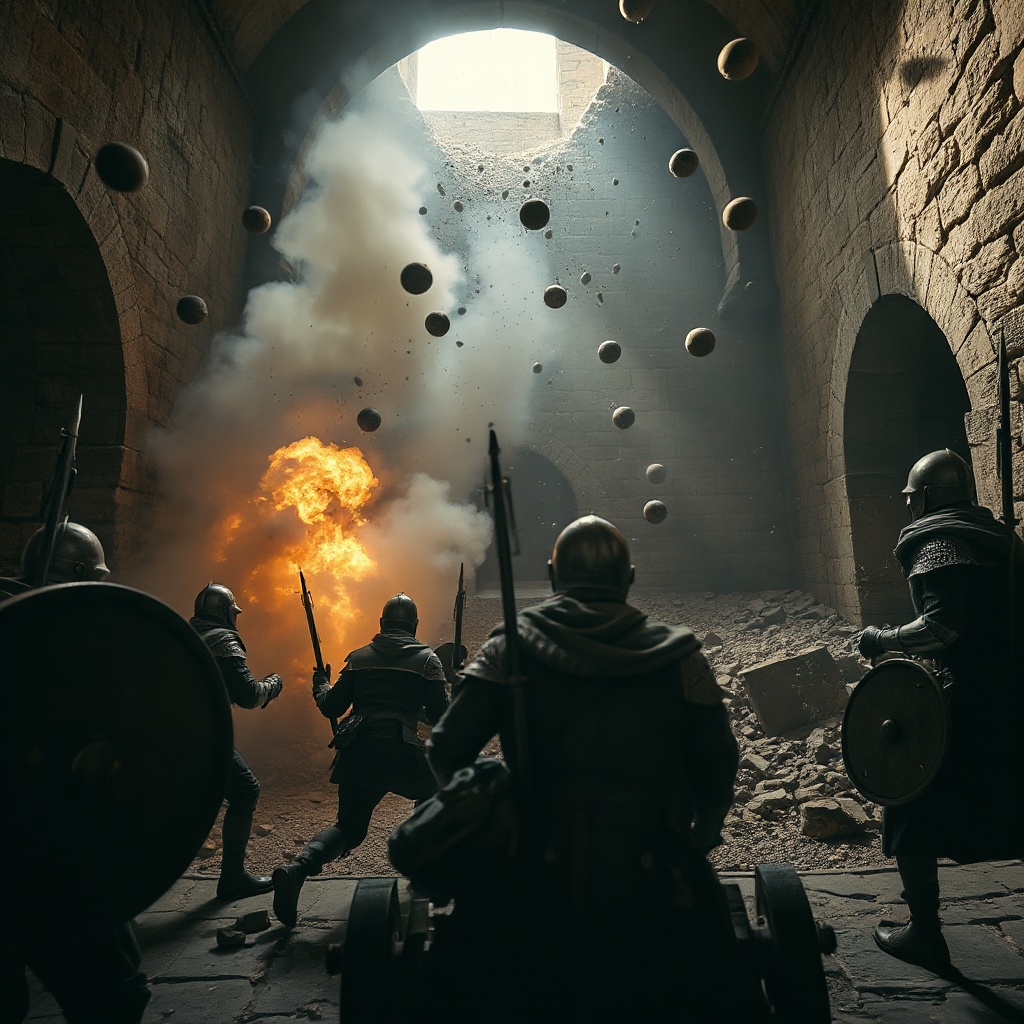
St. Elmo became a killing box. Ottoman guns pounded it day after day, and the defenders rebuilt at night with whatever stone and timber they could drag into place. There’s a detail I always picture even if I can’t “prove” it from any single line. Someone’s hands, raw and chalk-white from limestone, passing baskets of rubble while the sky flashes orange. That’s not romanticism. That’s what sieges do. They reduce strategy to exhausted bodies moving material.
The knights knew St. Elmo was probably doomed. The question was whether it could bleed the Ottoman army long enough to throw off the campaign’s timing and morale. The fort held for weeks under relentless bombardment and repeated assaults. When it finally fell in late June, the victory came at an alarming price for the attackers. Ottoman losses at St. Elmo were heavy. The defenders were essentially annihilated. It’s one of those grim arithmetic moments in history where “success” looks like a pile of bodies on both sides and a shoreline gouged into ruin.
After St. Elmo, the Ottomans turned their full weight against the main defensive positions around Birgu and Senglea, the fortified communities facing each other across the narrow waters of the Grand Harbour. Here the siege becomes a sequence of shocks. Assaults, repulses, mining operations under walls, countermines, sorties at dawn, fires that don’t stop until there’s nothing left to burn. The Order had built and improved Malta’s fortifications, but much of what would later define Valletta, the great planned city, did not yet exist. The defenders were fighting with what they had, and improvising the rest.
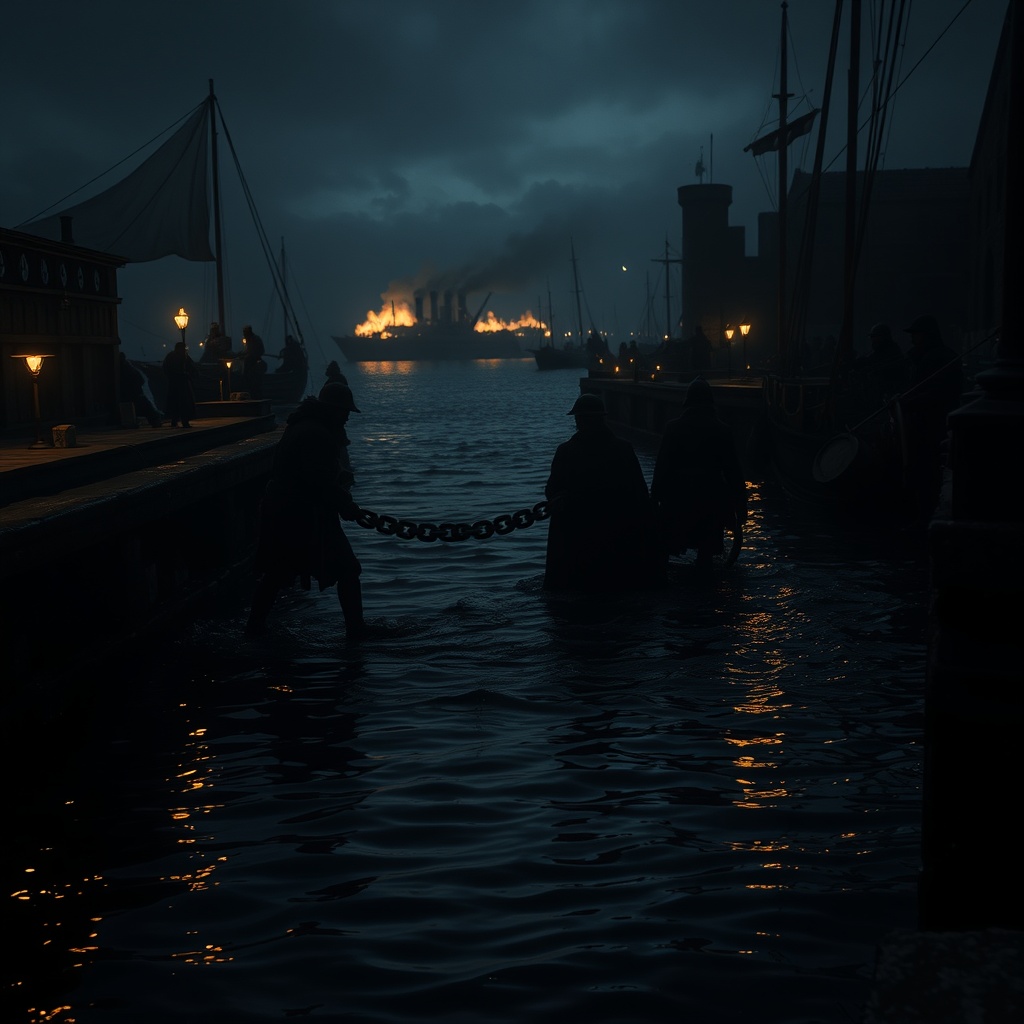
The Ottomans attempted amphibious moves and direct storming attacks. The defenders responded with artillery from the bastions and with brute stubbornness. De Valette’s leadership mattered, but so did the Maltese civilians and militia who carried water, repaired walls, and fought. This is where the popular image of “knights in shining armor” can mislead. This was an early modern siege. Armor existed, but so did gunpowder, field artillery, arquebuses, grenades, and the constant terror of a mine going off under your feet. One lucky shot could turn a brave plan into a bad memory.
At some point, a siege stops being about walls and becomes about nerves. The Ottomans expected a relatively quick campaign. Time was not a neutral element. Summer heat and disease gnawed at both camps. Supplies had to be landed, stored, protected. Morale had to be managed like another ration. The defenders, meanwhile, were waiting for relief. Sicily was close enough to hope, far enough to doubt. If you’ve ever waited for help that’s promised but not yet visible, you know the peculiar anxiety of it. You start measuring the world in hours and rumors.
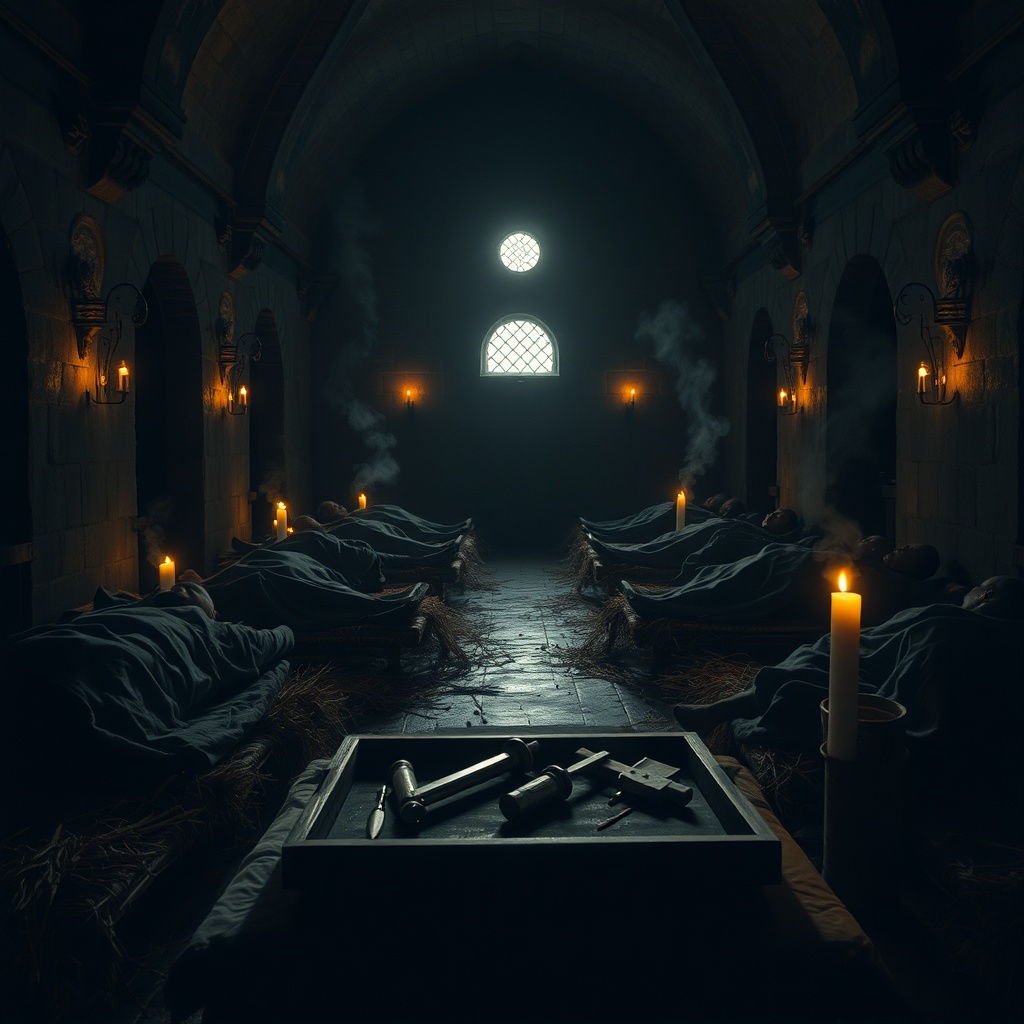
The siege dragged into August. The Ottomans launched major assaults, and several moments came close to breaking the defenders. Accounts describe fighting on the breach with pikes, swords, and firearms at arm’s length. They also describe the psychological theatre. Heads displayed. Drums and cries. Religious processions. Vows. Threats. It’s hard not to imagine the soundscape. Not just cannon. The constant hammering of repairs. The slap of waves. The prayers muttered like a habit you can’t stop even if you’re not sure anyone’s listening.
Relief did arrive, late and in limited numbers at first, from Sicily. The mere fact of fresh troops and supplies changed the equation. The Ottomans were worn down, their casualties significant, their window for a clean victory narrowing. Then in early September, a larger relief force landed. The Ottomans, facing the prospect of being trapped or forced into a costly final gamble, began to withdraw. By mid September, the siege was effectively over. Malta had held.
So why did it matter? In purely strategic terms, the failure at Malta checked Ottoman momentum in the western Mediterranean. It didn’t end Ottoman power, and it didn’t instantly “save Europe” in the simplistic way some later propaganda liked to claim. But it did prove the empire could be stopped by a well-led, well-fortified, stubborn defense at the edge of its operational range. It also preserved Malta as a Christian naval base and privateering hub, which continued to shape Mediterranean conflict for decades.
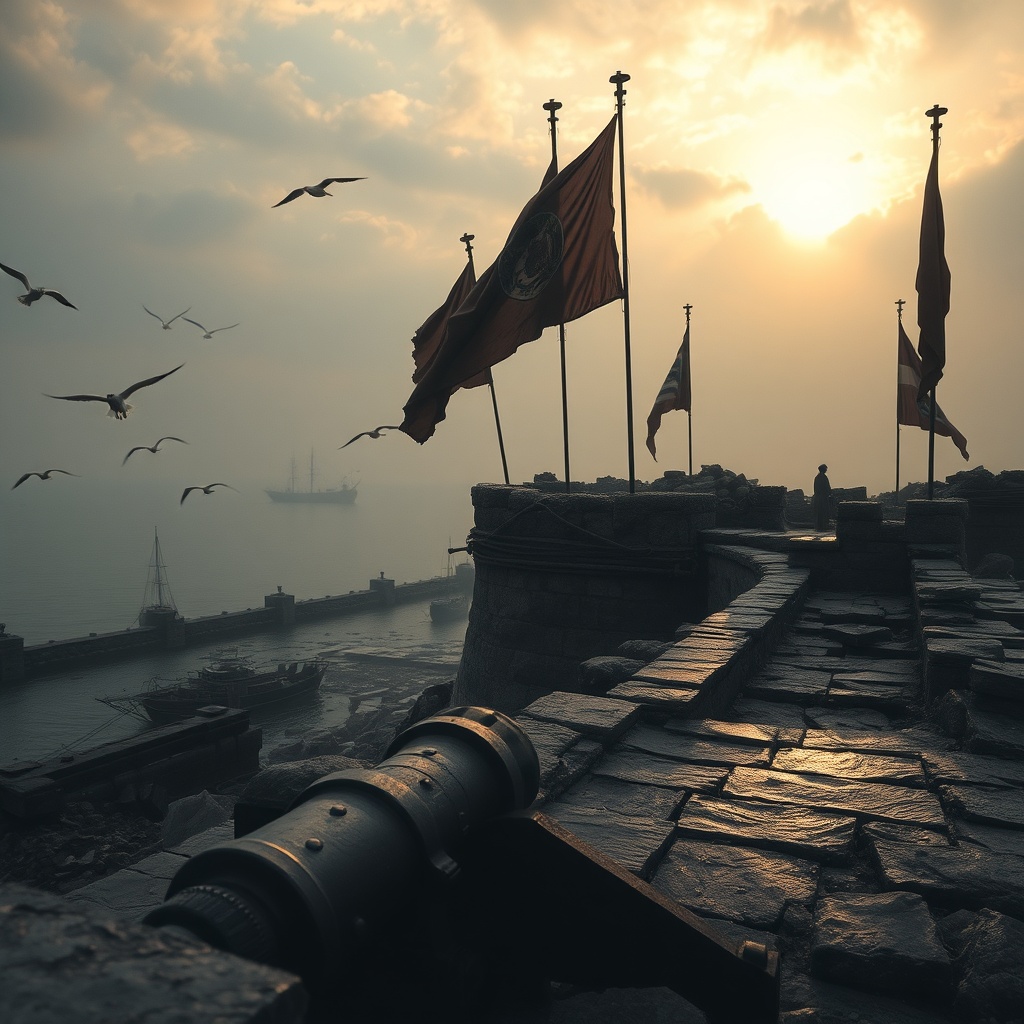
For the Order of Saint John, the siege became foundational legend. They built Valletta afterward, named for their Grand Master, a new fortified city designed with the siege’s lessons carved into its geometry. When you walk those walls today, the stone feels like it remembers. Even if you’re not the mystical type, you can sense the logic. Angles meant to deny cover. Lines of fire. Bastions like clenched teeth.
For Malta itself, the siege was both trauma and identity. The Maltese were not passive scenery in someone else’s epic. They were participants, and they paid in blood, labor, and ruined homes. The aftermath reshaped society, fortifications, and the island’s place in Mediterranean politics. It also left a dense paper trail of letters, reports, and later histories that argue with each other in the way human beings always argue when memory becomes story.
People still talk about the “700 knights” because the image is clean. It fits on a thumbnail. But the lasting fascination is deeper than the number. Malta in 1565 is a reminder that empires can be stalled by geography, planning, and sheer endurance. It’s also a reminder that heroism in sieges is rarely a lone figure on a wall. It’s logistics, mud, fear, and the stubborn decision to repair one more breach at midnight because if you don’t, morning will be worse. That’s a kind of defiance that doesn’t age out, no matter how many centuries pass.
Loved this story? Pulse it.
Pulses bubble up to the channel — they help us see which stories deserve sequels.