The Window’s Breath – United States
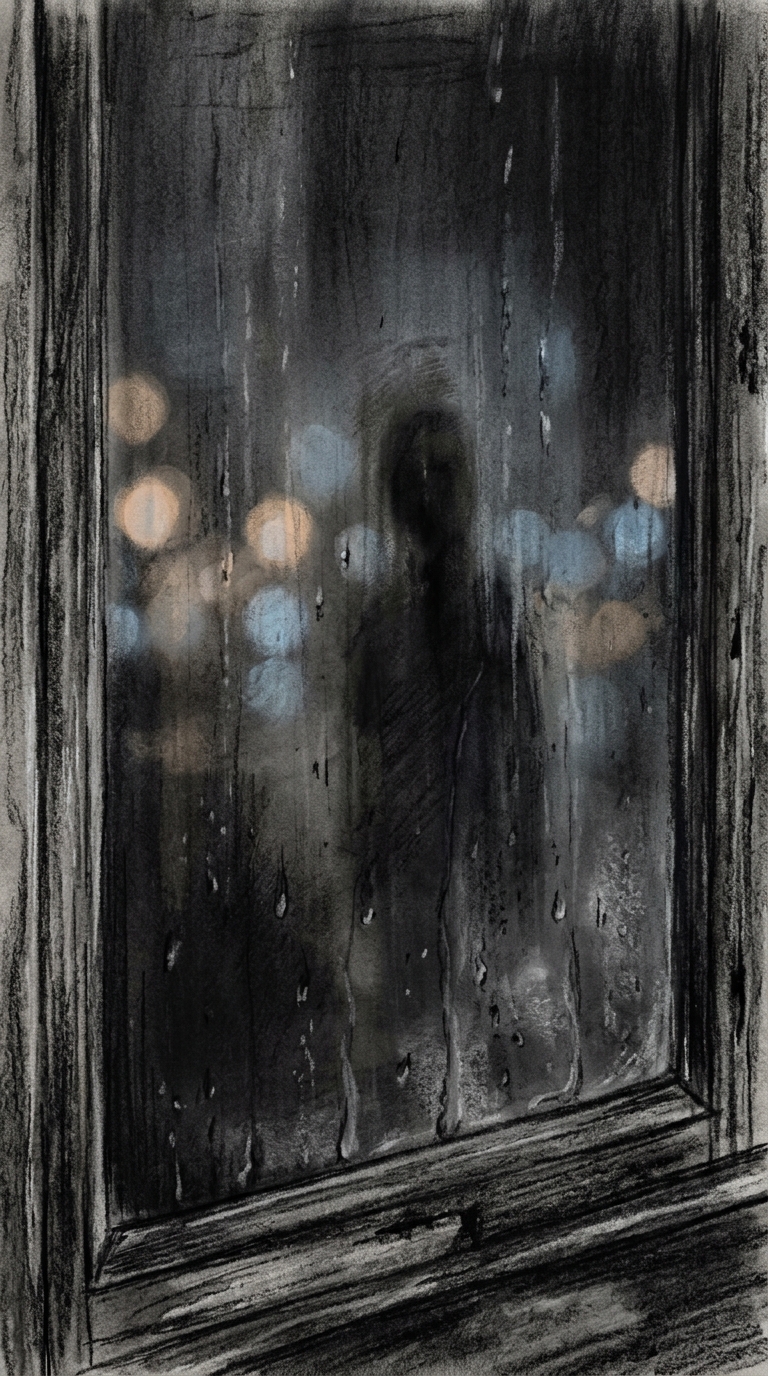
Have you ever gazed at your window long enough to see the impossible? The Window’s Breath is an urban legend that sends shivers down the spines of both skeptics and believers alike. Originating from the misty streets of Pittsburgh in the late 1970s, the tale has lingered in the urban annals, mutating like a virus into folklore across America, each rendition more unsettling than the last.
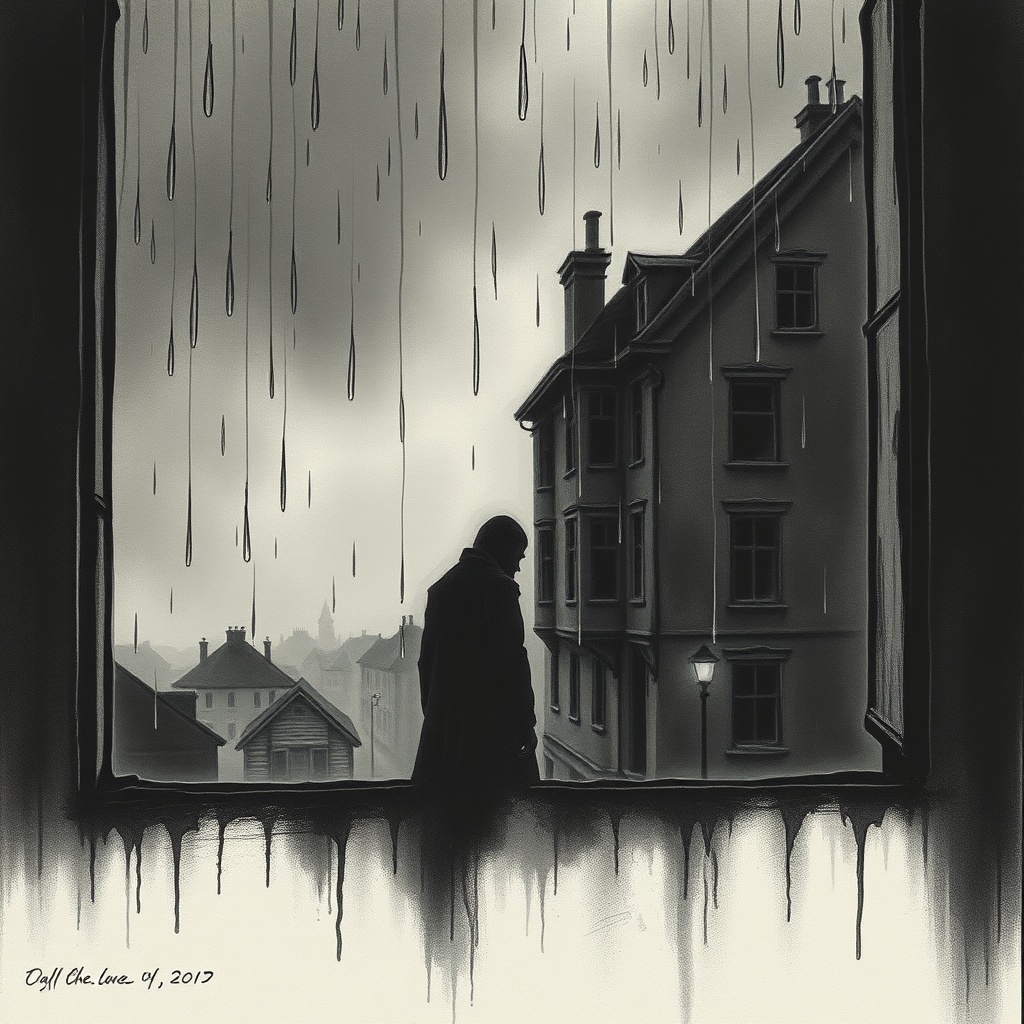
According to the legend, The Window’s Breath began as whispers among steel mill workers who claimed they saw hazy figures on the glass of their basement windows during fog-heavy nights. It wasn’t an ordinary smudge, they insisted, but what seemed like the faint outline of a human face — the suggestion of breath on a cold windowpane. Those who leaned in closer claimed they heard soft sighs, as though the glass itself was exhaling something not quite human.
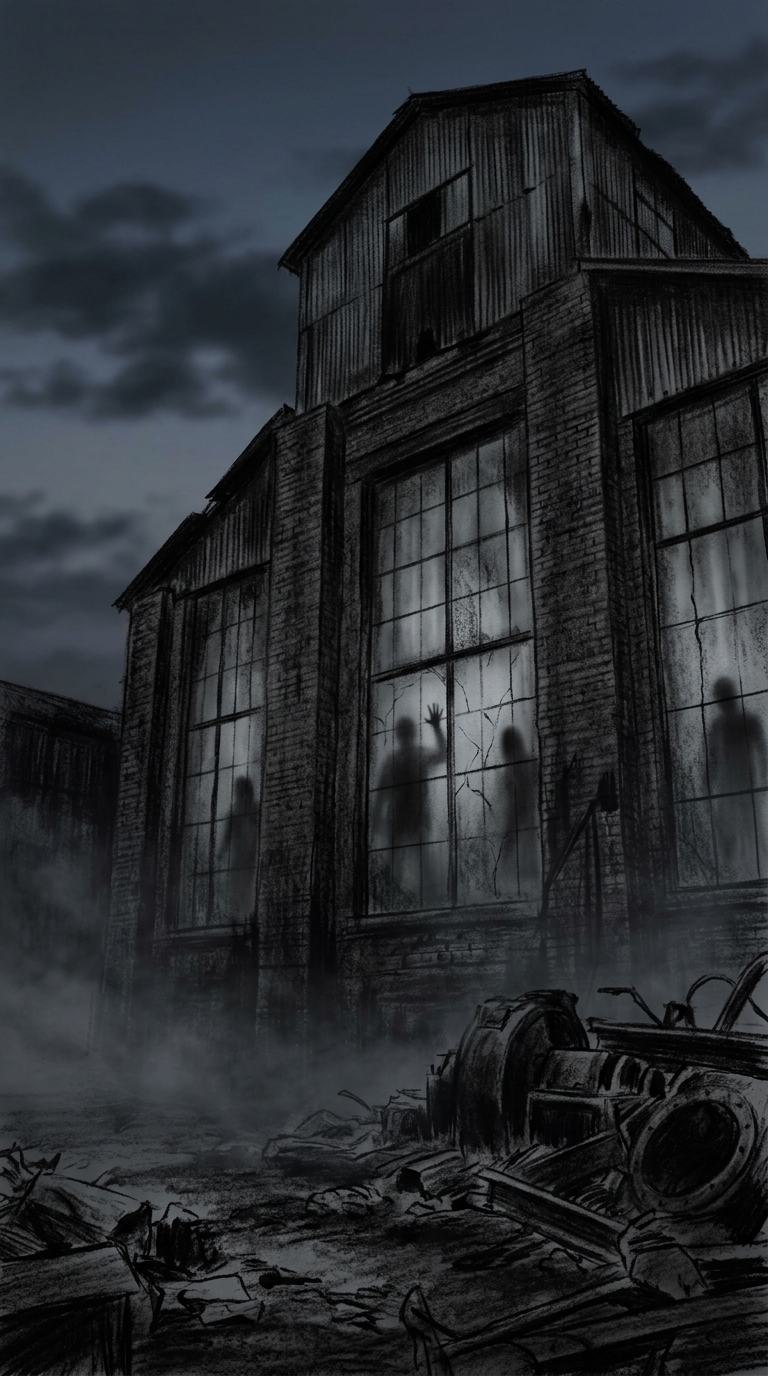
The stories invariably circle back to a singular theme: do not, under any circumstances, touch the place where the breath appears. Those who did were never seen again, consumed, it was rumored, by the entity living just beyond the reflection. Perhaps that’s what makes this legend so compelling; it taps into the primeval fear of unknowable thresholds — between here and there, life and death, reality and shadow.
Now, let me take you to a familiar setting, where you might just find yourself one bitterly cold evening.
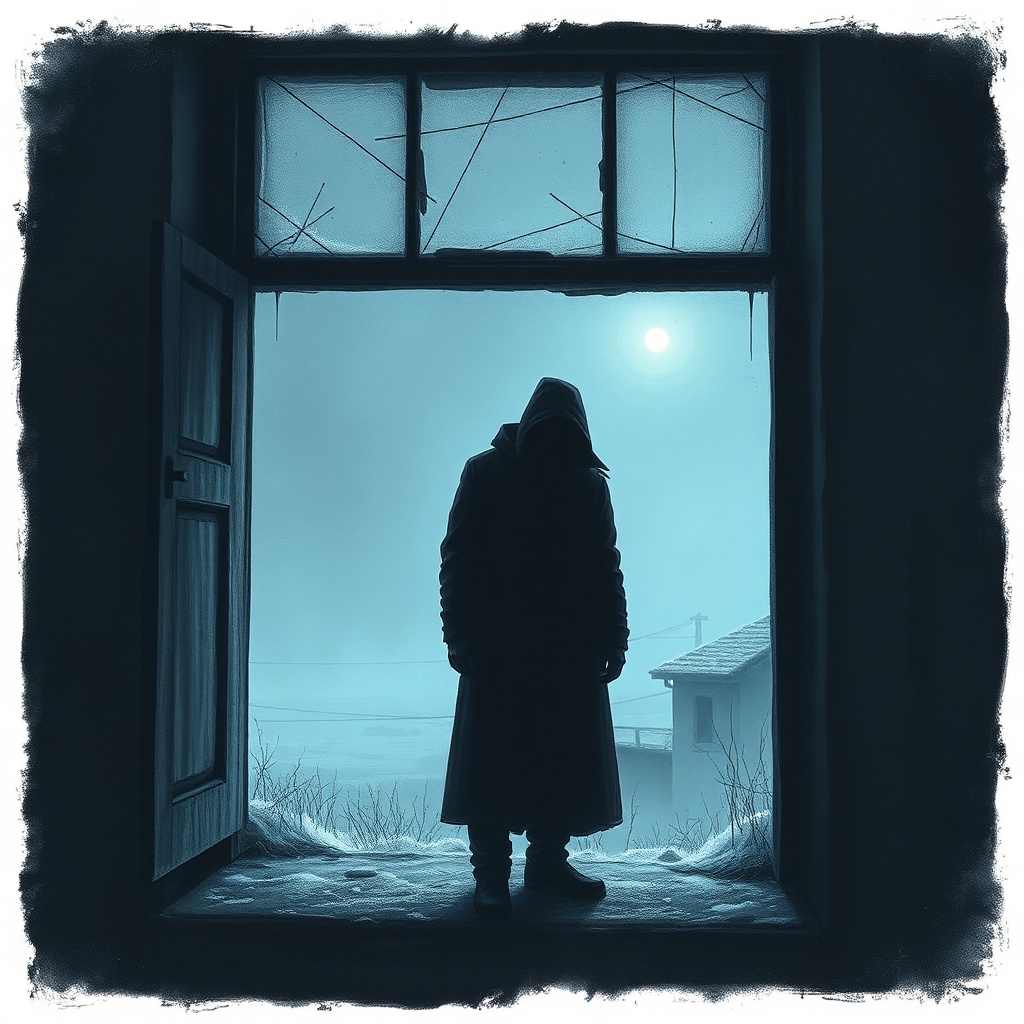
Imagine huddling in a small urban apartment, its heating system groaning weakly against the winter chill. On such nights, the world outside your window becomes another realm—icy and inhospitable. You sit at your kitchen table, wrapping your hands around a mug of tea, watching streetlights slice through the fog. It's quiet, almost too quiet, until it isn't.
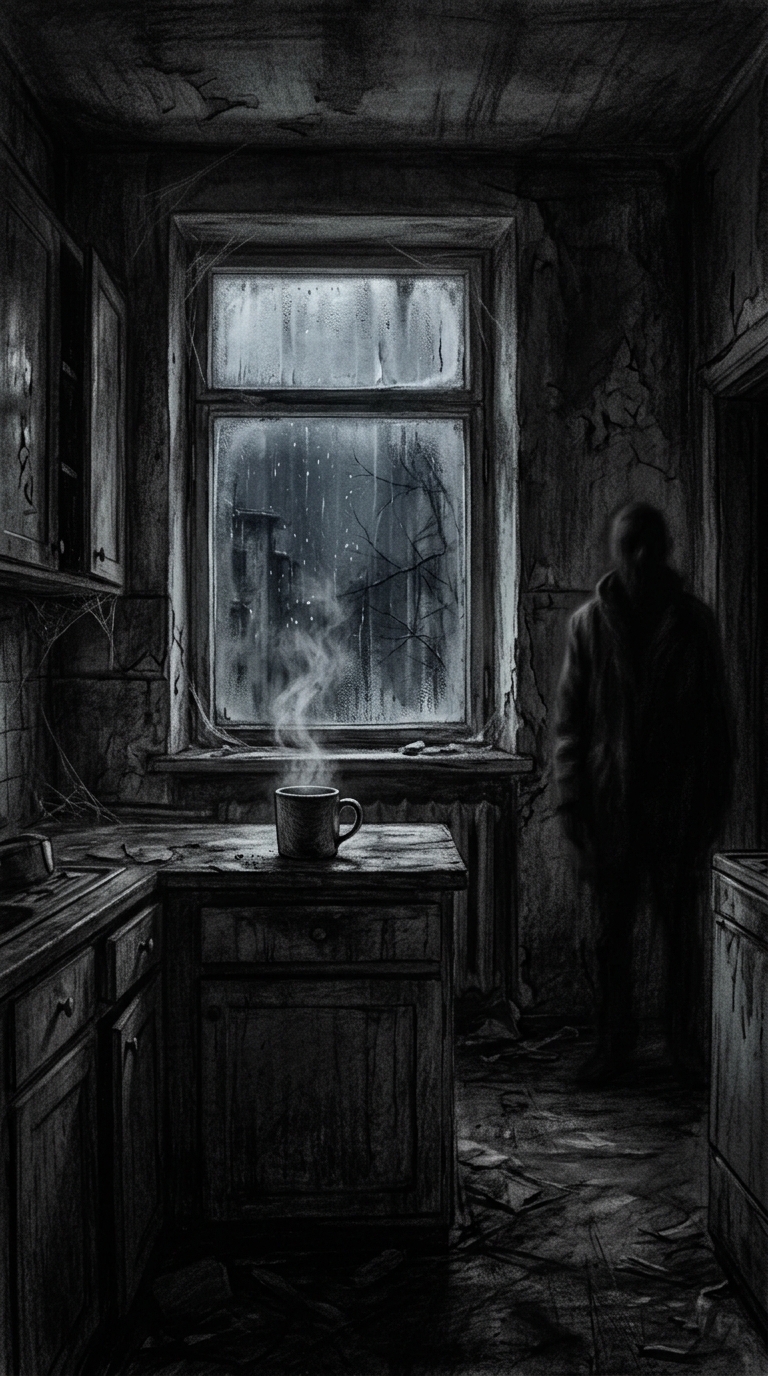
A soft rattling — no, it's more of a vibrato sigh — interrupts the stillness, drawing your attention to your own kitchen window. Eyes weary, you shake off sleep's heaviness and glance toward the source of the sound. There you see it: the faint suggestion of breath, a blurred yet undeniably human outline appearing in mist upon the glass. The first and most instinctual desire is to reach out, touch the chilling condensation, assure yourself it's just a trick of the light. But the tales you've heard claw at the back of your mind. Surely it's nothing — or is it?
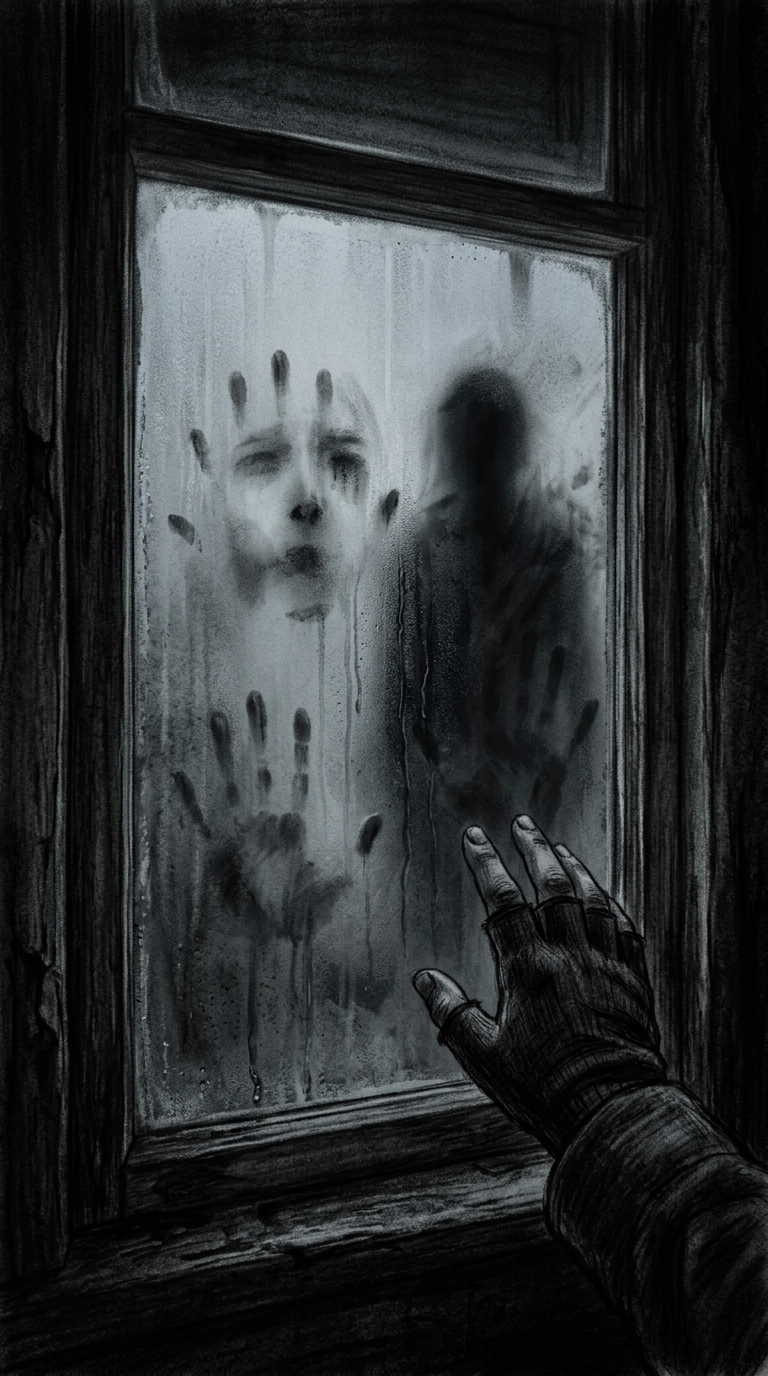
You lean in instead, comforted by the illusion of glass providing a boundary. But just as your breath meets the cool pane, it happens — a sigh, unmistakably coming from the window itself. It slips through the barrier separating you from whatever resides beyond, that empty dimension mirrored at night. Instinctively, you recoil, your pulse spiking as the realization settles that you aren’t alone.
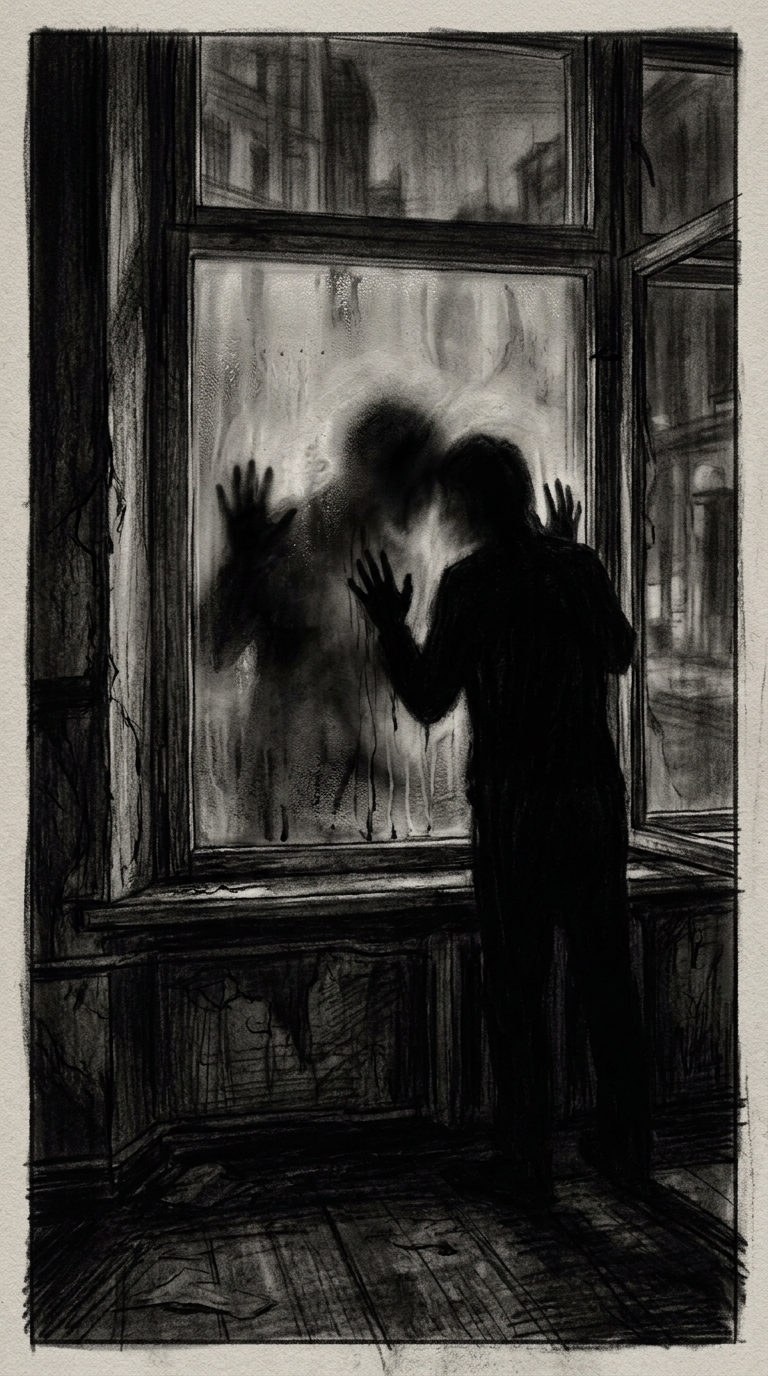
There’s a compulsion to turn the light on, banish the shadows that slither at the edges of your vision. But you freeze. Flickering memories, fragments of warnings about confronting such phenomena with light, cascade through your thoughts. You know the old stories — how light can draw these shadows through, like moths to a flame, breaching the divide.
Your curiosity wavers, an internal battle against the primal urge to flee. Perhaps you tell yourself it’s all superstition. Yet you must now acknowledge the air feels different — not colder, but heavier, as if the room is bound by some intangible weight. Each breath you take feels synced with the sigh on the glass, an intimate connection between you and the unseen.
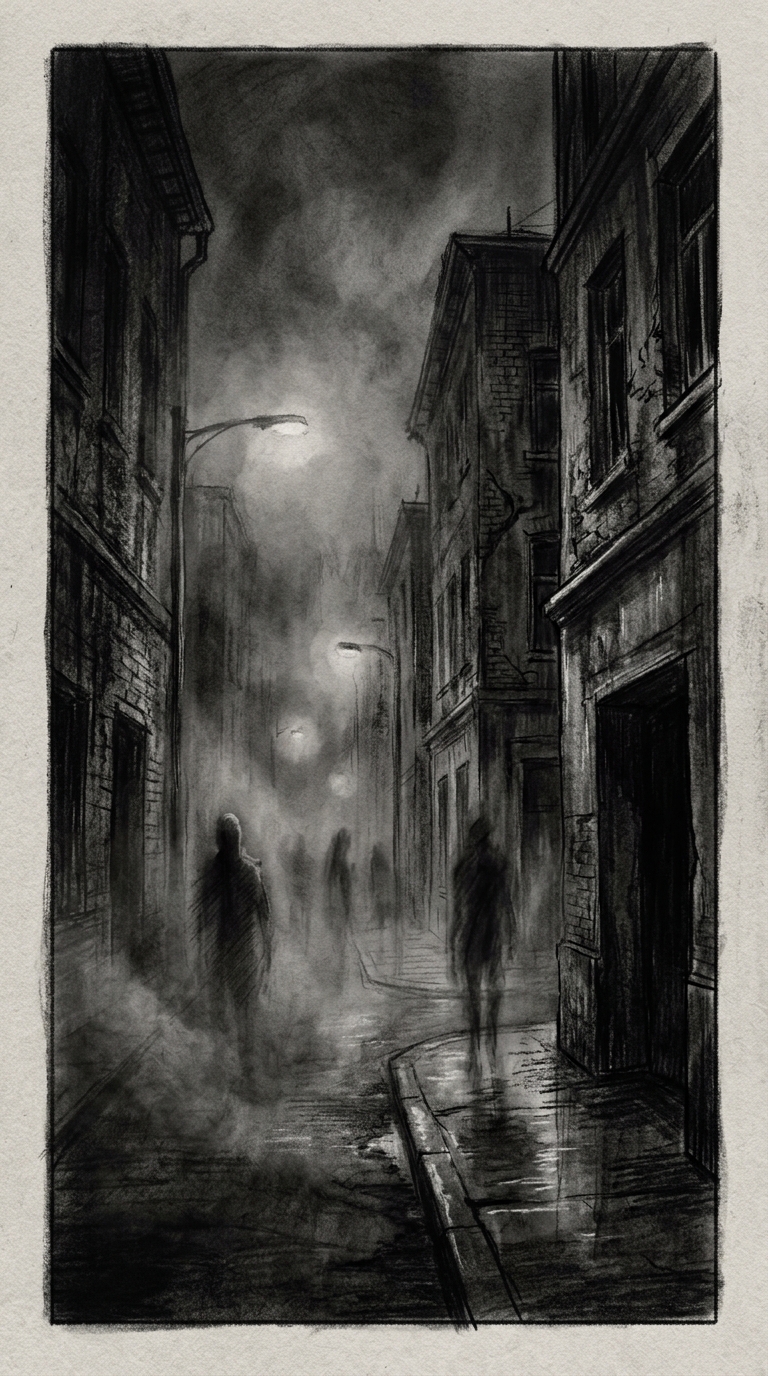
Somehow, in this web of silence, you sense movement behind you, a presence just out of view. You breathe rapidly; a sense of diminishing returns envelopes you. It’s easy to wonder if the misty breath on the window is gaining form, a silhouette inching closer with each beat of your heart.
And then, as quickly as it started, it’s gone. No sound, no trace, as if the presence was never there. The window, now clear and innocent, mocks your perceived reality. Did you imagine it? You assure yourself you can’t be losing your mind, though the legend begs otherwise.
But here’s the thing about The Window’s Breath: some say it leaves a part of itself behind, interweaving with whomever it touches with that fleeting, invisible connection. You glance at the window one last time before slipping away into the mundane routine of a sleepless night, feeling changed in a way that shouldn’t be possible.
In the end, the stories may offer closure, but reality refuses such comforts. You suspect the breath will return whenever the night draws close enough to breathe against your window once more, waiting, as shadows are wont to do.
But for now, it’s just you and the delicate dance of fog and reflection, and perhaps...one final sigh.
Loved this story? Pulse it.
Pulses bubble up to the channel — they help us see which stories deserve sequels.