
"Miracle Bees: How They Survived the Notre Dame Fire Without Lungs!" 🐝🔥
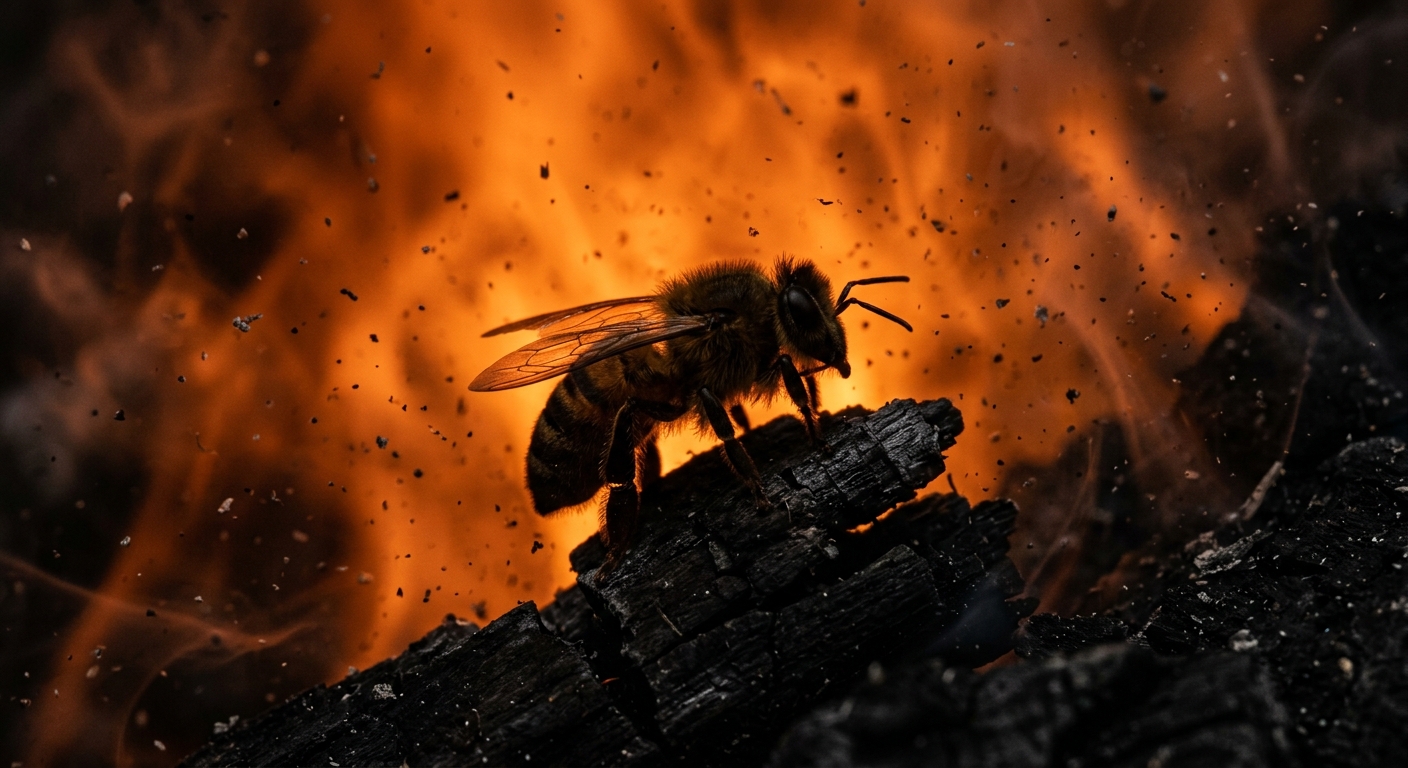
How did a bunch of tiny insects “without lungs” make it through a cathedral fire that turned wooden beams into a bonfire and sent lead dust into the sky?
The viral version is: the bees at Notre Dame survived the 2019 fire, somehow, miraculously. The deeper version is even cooler, because it’s not just luck. It’s biology, architecture, and a little bit of “bees are basically walking life-support systems.”
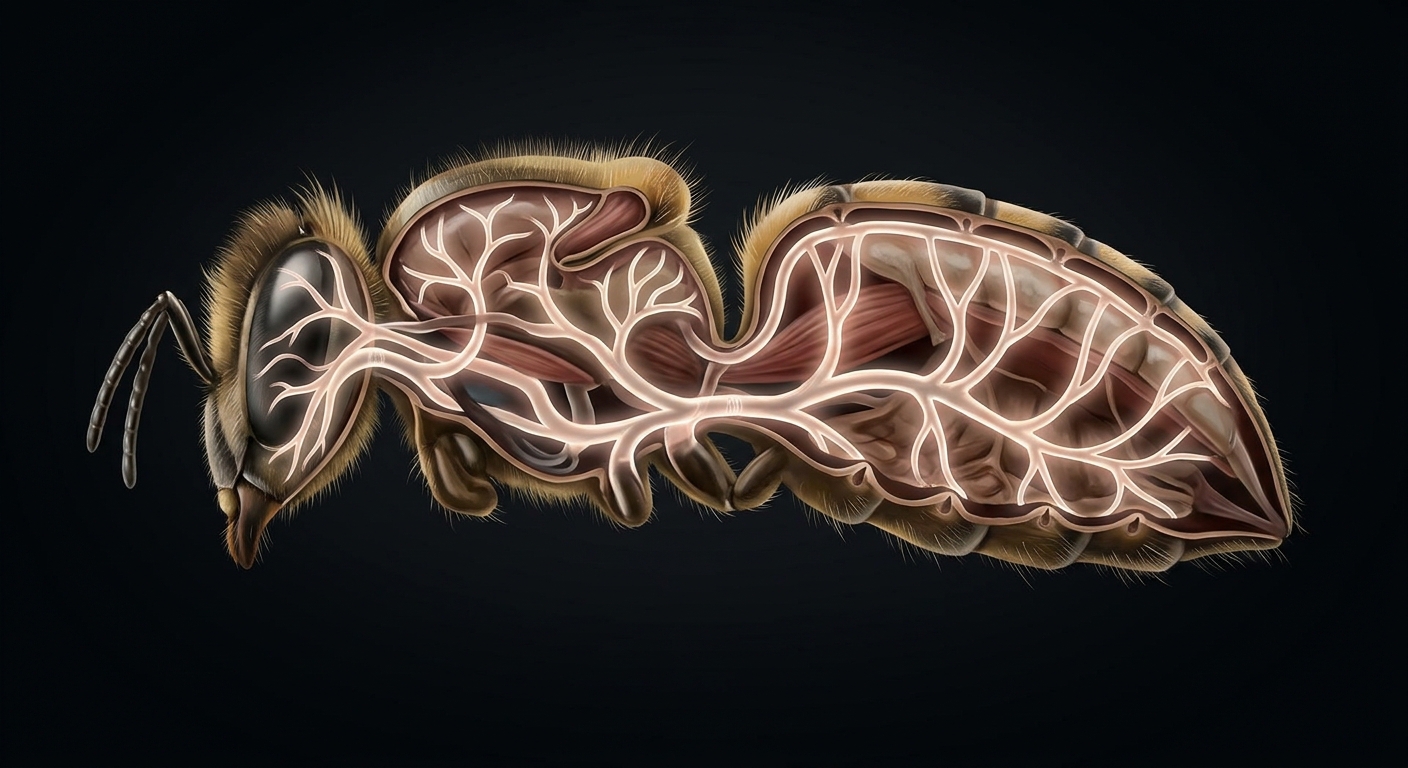
First, the “without lungs” part is true, but it hides a superpower. Bees don’t breathe the way mammals do. They don’t have lungs that inhale smoke into big sacs. Instead, they use a network of tiny tubes called tracheae that deliver oxygen directly to tissues. Air enters through openings along the body called spiracles. Think of it less like a bellows and more like a bundle of tiny snorkels all over their body. They can also control those spiracles, closing them for periods of time, which helps with water loss. In a smoky environment, that ability to reduce airflow can be the difference between “I took a lungful of poison” and “I rode out a bad minute.”
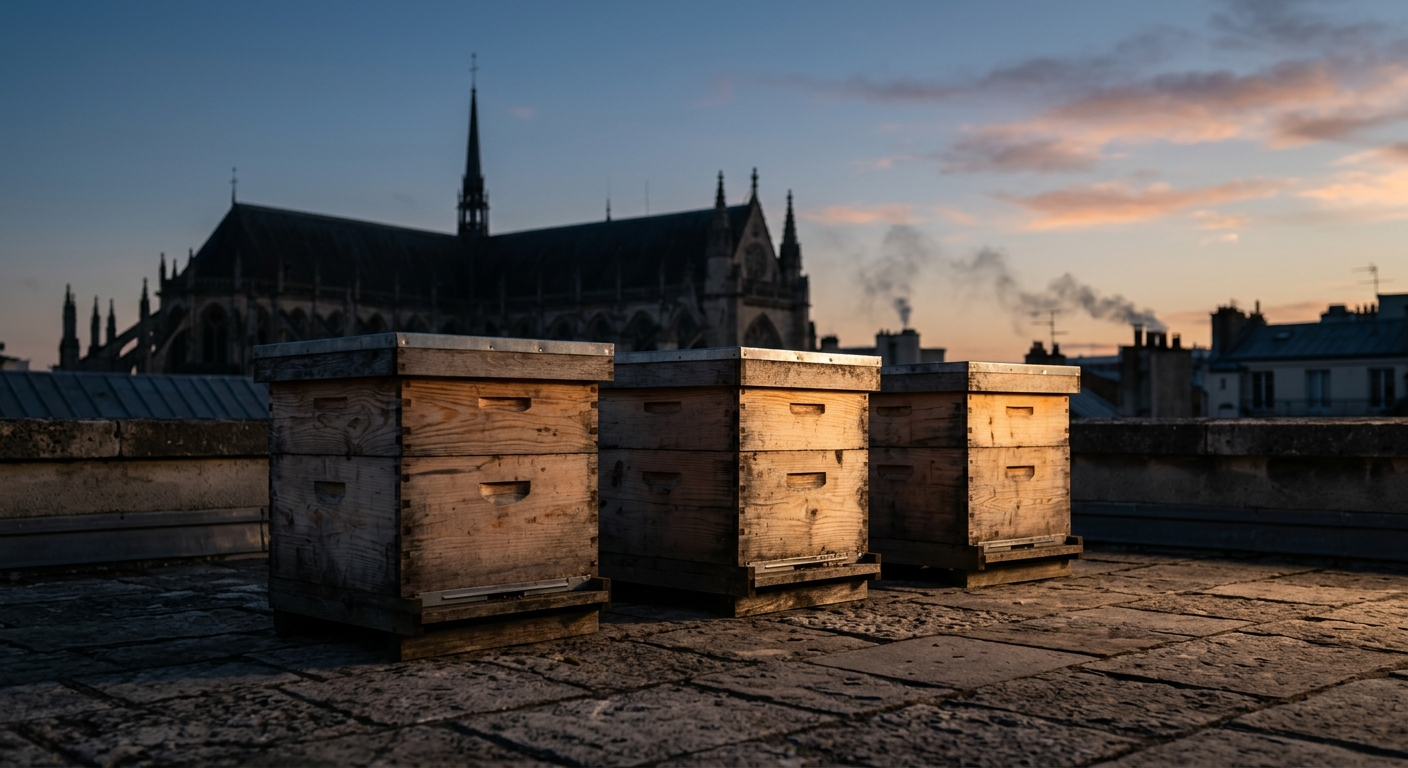
But “bees can close spiracles” isn’t the whole story, because fires don’t just kill with smoke. Heat is the big bully. Here’s where the hive itself matters. The hives at Notre Dame weren’t tucked in the attic where the flames ripped through centuries-old timber. They were on the roof, on a lower section, near the sacristy. Location is everything in a fire. Heat rises, yes, but so does the most intense plume, and the exact airflow depends on what’s burning, what collapses, and what’s venting. A hive that’s physically separated from the main fuel source can experience terrifying visuals and still stay below the lethal temperature threshold.
Also, a beehive is not an empty box full of fragile bugs. It’s a densely packed, living mass that can regulate itself. Bees can ventilate their home by fanning their wings. On normal summer days, they do it to cool the brood and evaporate water to make honey. During a crisis, the colony can ramp up these behaviors. If you’ve ever stood near a strong hive, you can feel the air movement coming out of it like a tiny engine.
Then there’s the hive’s materials. Wax is flammable, sure, but inside a managed hive there’s also moisture, nectar, and honey, and those are heat sinks. Water and sugar solutions absorb a lot of heat energy before their temperature spikes. That doesn’t make the hive fireproof. It does mean the hive isn’t instantly turning into a torch unless it’s directly exposed to flame. It’s more like a cooler full of syrupy thermal mass. Not something you want in a blaze, but not as doomed as you’d think.
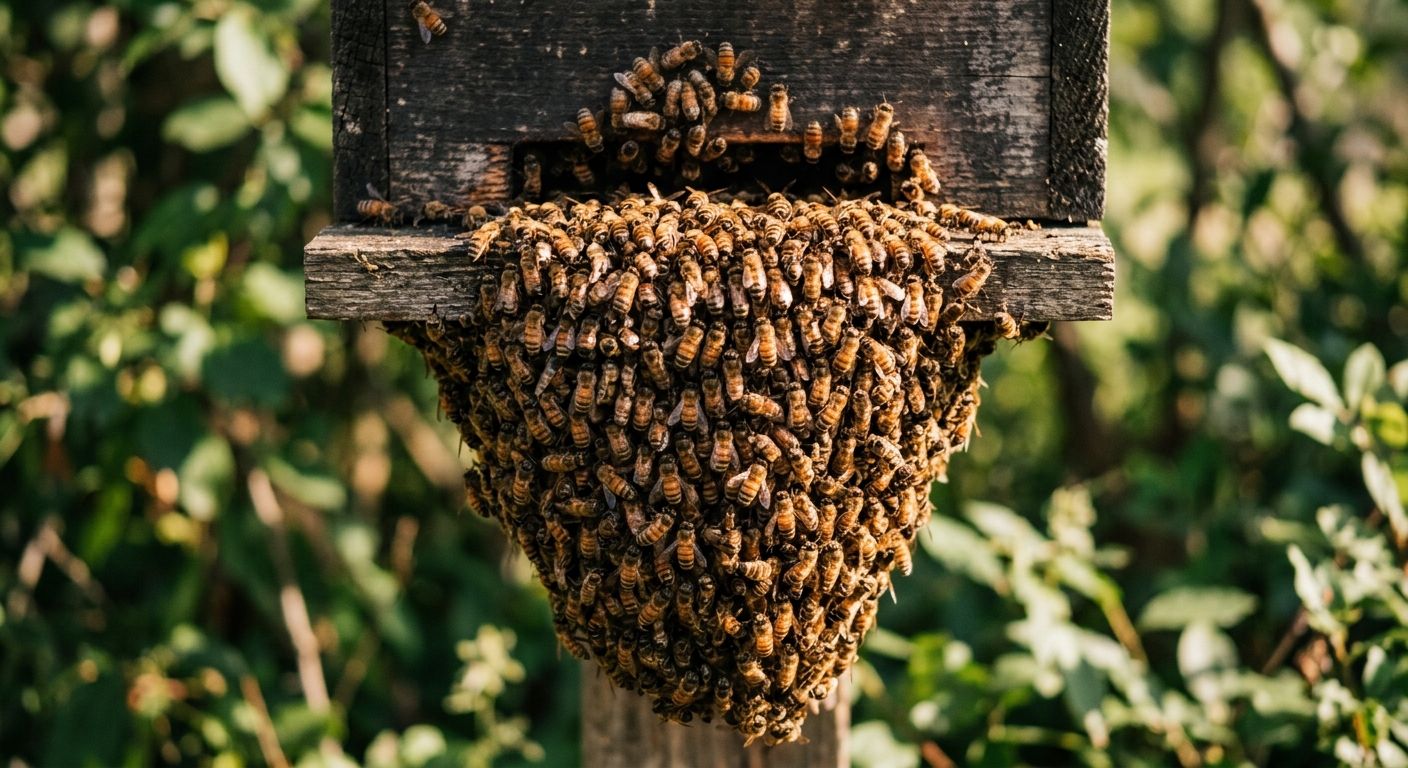
And bees have a classic defense move that sounds like a campfire myth but is real: they can “beard” outside the hive. In hot weather or crowded conditions, bees form a living curtain on the exterior to reduce heat inside. If smoke or heat was rising around them, some portion of the colony may have shifted position instinctively. It’s not a coordinated evacuation plan, but it’s a flexible, distributed system. No boss. Just thousands of tiny decisions that sometimes add up to survival.
Now, about smoke. Smoke isn’t one thing. There’s “wood smoke,” there’s “burning insulation and plastics,” there’s “chemical soup,” and each has different toxicity. The Notre Dame fire involved ancient oak timbers, plus modern restoration materials, plus lead from the roof. That last part is what made people nervous for weeks afterward. Lead contamination is real. But acute lead poisoning isn’t usually an instant “drop dead right now” event, especially for an insect colony sealed inside a box. The bigger immediate danger would be suffocation or overheating.
Sealed inside a box. That phrase matters. A managed hive has a small entrance. Compared to an open window, it’s like the difference between a room with a cracked door and a room with the whole wall missing. Smoke can get in, but diffusion is slower, and bees can reduce airflow by behavior and by restricting openings. If firefighters are spraying water and the surrounding air is chaotic, the smoke concentration at the hive entrance could fluctuate dramatically. There might be bursts of nasty air, then cleaner air, then more smoke. Surviving a fire sometimes isn’t about enduring constant maximum danger. It’s about avoiding the peaks.
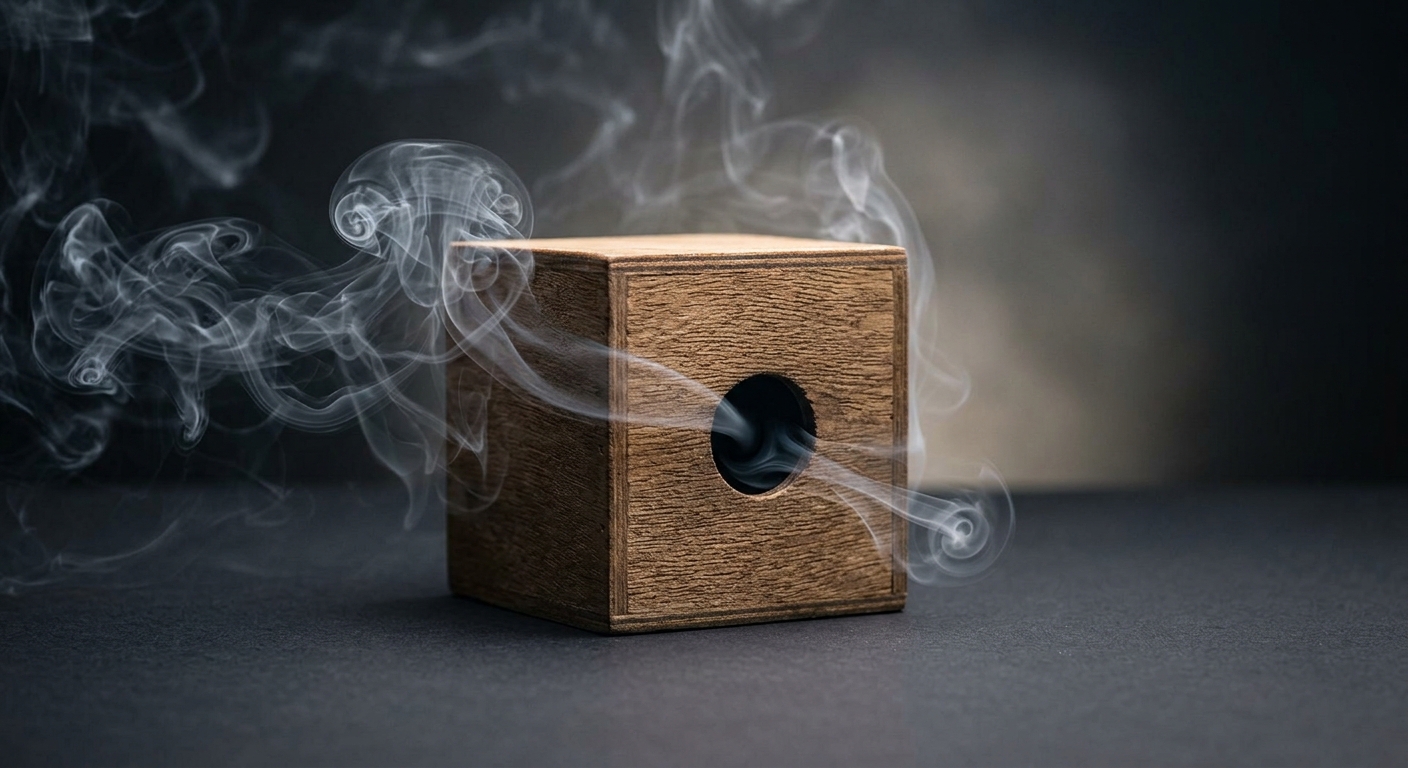
There’s also a weird twist: smoke is something beekeepers use on purpose. If you’ve ever seen a beekeeper with a smoker, they puff smoke at the hive to calm the bees. It masks alarm pheromones, and it triggers a feeding response, as if the colony is preparing for a possible evacuation. A “calm” colony isn’t automatically a “safe” colony, but fewer panicked movements can reduce metabolic demand. Less frantic activity can mean less oxygen needed, less heat generated, and a better chance of hunkering down.
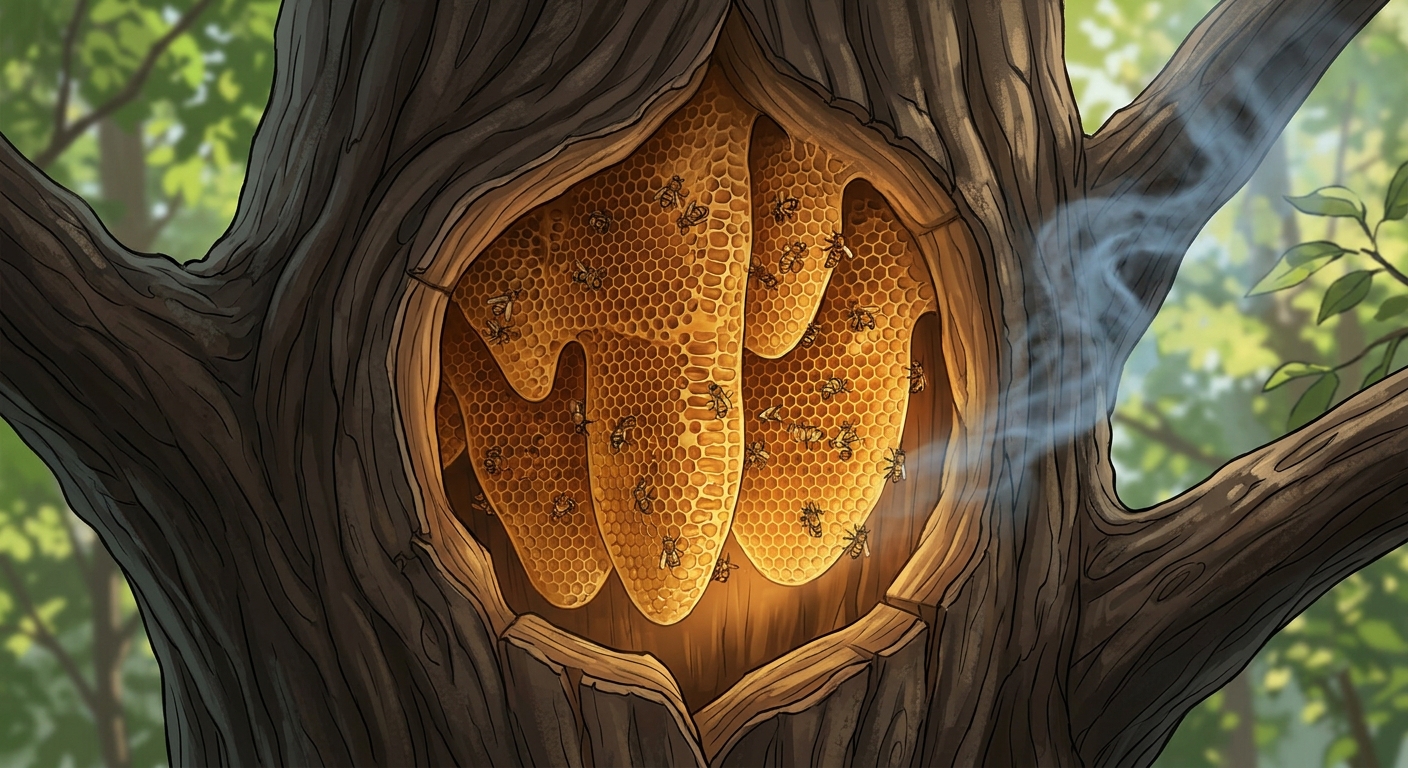
That said, the Notre Dame bees weren’t just sedated by smoke and chilling like it was a spa day. The reason this story went viral is that people project human fragility onto insects. We imagine tiny animals as delicate. But a honeybee colony is a rugged, communal organism that evolved to survive storms, cold snaps, predators, and the occasional tree hollow catching fire. In the wild, bees often live in cavities inside trees. Trees get hit by lightning. Forest fires happen. Colonies that had zero tolerance for smoke and heat didn’t leave many descendants.
So what actually happened at Notre Dame? Reports after the fire said the rooftop hives survived, and the beekeeper later confirmed the colonies were alive. That doesn’t mean every single bee lived. Colonies can take losses and still be “fine” in the way beekeepers mean it: the queen is alive, the brood cycle continues, the colony can forage and rebuild.
And it matters because it’s a small, hopeful story inside a disaster story. Not the saccharine kind. The practical kind. Bees are critical pollinators. They’re also a kind of environmental sensor. If the hives had died instantly, you’d still have the tragedy of the building. With surviving hives, you get a reminder that living systems can be tougher than the structures we build, even the famous ones.
The “no lungs” angle is my favorite part, because it forces you to rethink what breathing even means. A mammal in smoke is in trouble fast because it must keep moving air through large delicate surfaces. A bee’s plumbing is different, more modular, and more controllable. Combine that with a well-sited hive, a small entrance, thermal mass inside, and thousands of bodies doing ventilation tricks, and the “miracle” starts looking like a stack of advantages.
Still, I don’t want to ruin the magic completely. Fire is chaotic. A small shift in wind, a falling ember, a crack in the box, and we’d be telling a different story. Sometimes survival really does come down to being in the right place at the right time, as unfair as that is. The cooler takeaway is that when a viral fact sounds like a paradox, the real explanation is usually a tour through how alien other life can be. Bees didn’t need lungs to make it. They needed a good box, a good spot, and a body plan that treats air like a distributed utility instead of a single vulnerable organ.
Loved this story? Pulse it.
Pulses bubble up to the channel — they help us see which stories deserve sequels.
You might also like
Vault
Discover the Clitoris: Fun Facts You Didn't Know
Super El Niño: Unraveling Its Surprising Impact on U.S. Weather

Historical Torture Methods and Devices Explained