The Crying Shadow in the Hallway – Italy
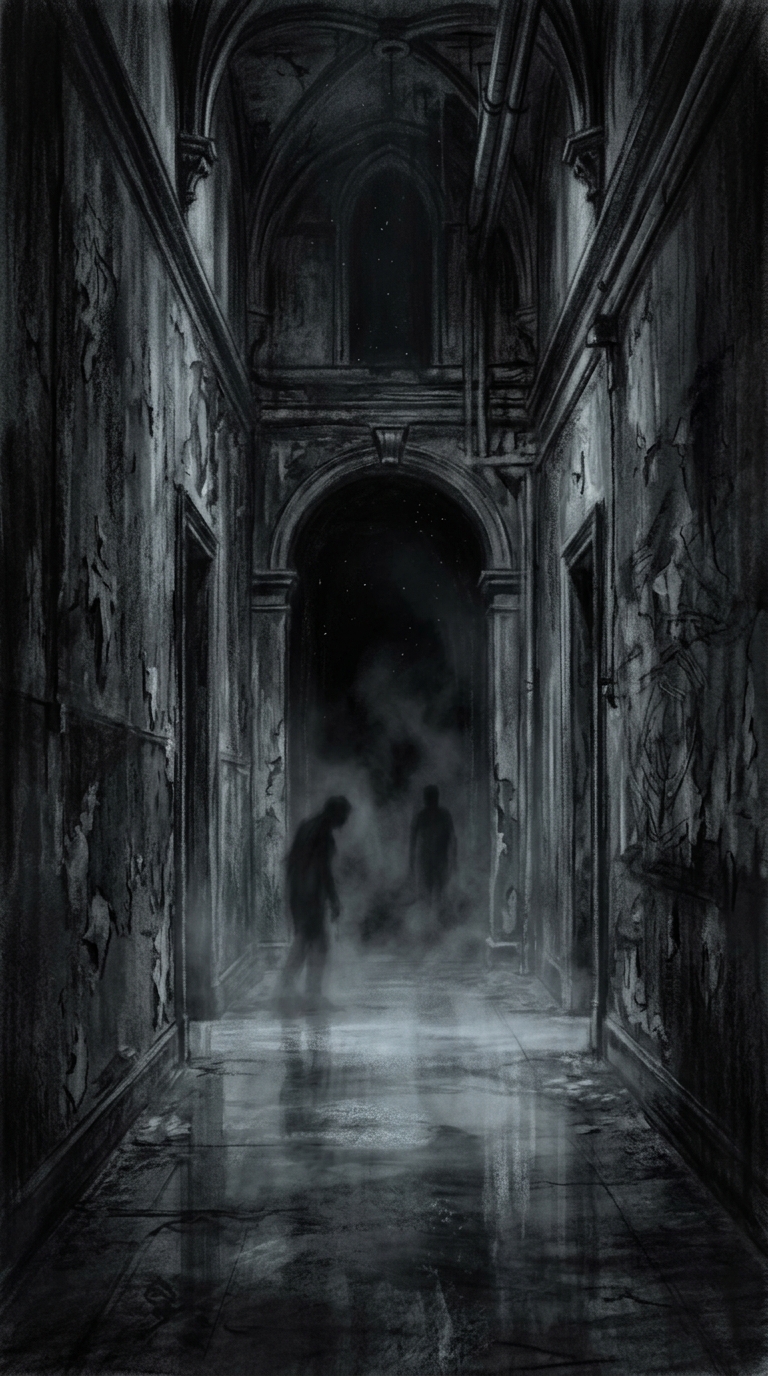
There's a chilling legend that drifts through the cobbled streets of small Italian towns, whispered among locals as the sun fades and shadows creep. Known as the Crying Shadow, this legend is as intriguing as it is unsettling. It centers around an ancient hallway reportedly cursed since the medieval era. No one quite knows the origin, yet tales of the haunting presence have persisted over centuries, growing more terrible with each retelling.
Some say it began with a tragic love affair, an ill-fated romance between a young servant and the daughter of a wealthy merchant. When her love was discovered, the girl was imprisoned within the confines of their manor, and the servant was banished. Heartbroken, she roamed the hallway, weeping by the candlelight, her wails echoing like a somber sonnet through stone walls until her heart gave out. Her spirit, they say, never left.
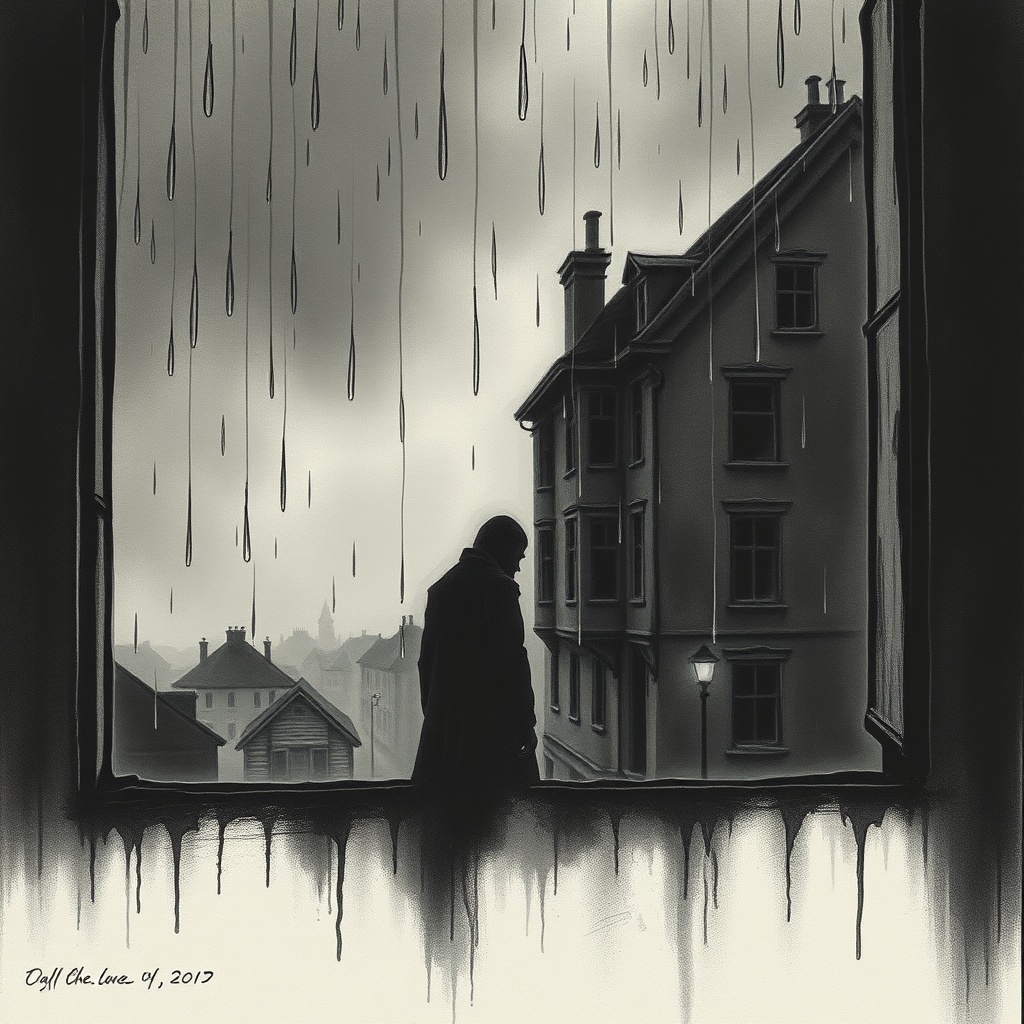
Over time, sightings multiplied and stories diverged. What remained constant was the image of a spectral figure weeping softly in the dim. Witnesses claimed that she appears as a dark silhouette, her form barely discernible but for the glistening tears reflecting the moonlight—tears that can be heard but not seen. It's said that those who venture into the hallway, lured by her cries, often fail to return.
The tale morphed beyond the village boundaries, entering the broader psyche of urban legend enthusiasts. As these stories are wont to do, it took roots in the sleepy town of Monterosso. Over the decades, the town’s residents grew adept at steering newcomers away from their spectral denizen, subtly guiding them via more scenic paths, or so the rumors claim.
But what would compel a person to enter, knowing the consequences? This is where our account begins—a modern encounter with an age-old specter.

On a trip through Italy, I found myself lodging at this very manor, unaware of the spine-chilling lore that enveloped it. It was an aging relic, its grandeur long past but its charm undeniable. One night, while wandering its halls—from the library stacked high with forgotten tomes to the ballroom stilled in perpetual silence—I found myself drawn to the hallway.
It wasn't particularly noteworthy; just a stretch of wood and stone, the kind you might find in countless European manors. But there was something...off. A cold draft nipped at my ankles despite a sultry summer night, and when I paused, I heard a soft sobbing, almost imperceptible beneath the stillness. Laughable, perhaps, except that it stilled my breath and set my heart pounding in my chest like a prisoner eager to escape its confines.
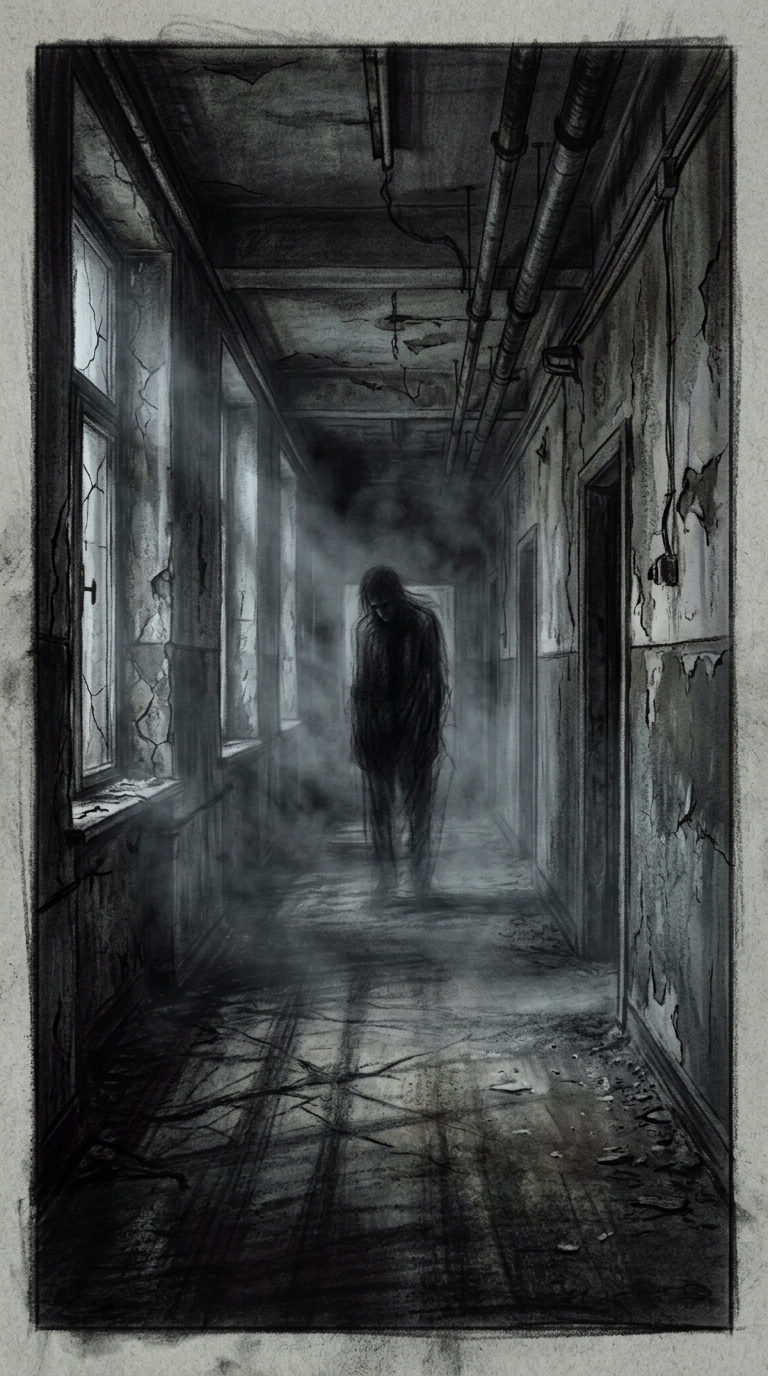
Compelled by curiosity—a foolish endeavor, in retrospect—I inched closer, my footsteps echoing in slow, drawn-out beats. The sobbing grew clearer, a symphony of despair finely tuned to tug at something deep within. As I turned a corner, my eyes caught the impossible: a flicker of movement ahead, not quite solid, not truly ethereal.
The form was distinct yet void of detail, its presence a vacuum in the world’s tapestry. It gestured softly, its arm like vapor, beckoning towards an unseen destination. Despite the mounting dread, I whispered that all-too-human reassurance aloud, "There's no such thing as ghosts."
Yet the figure demanded my belief with each drawn-out breath. And so, driven by a mix of fear and fascination, I took another step forward.
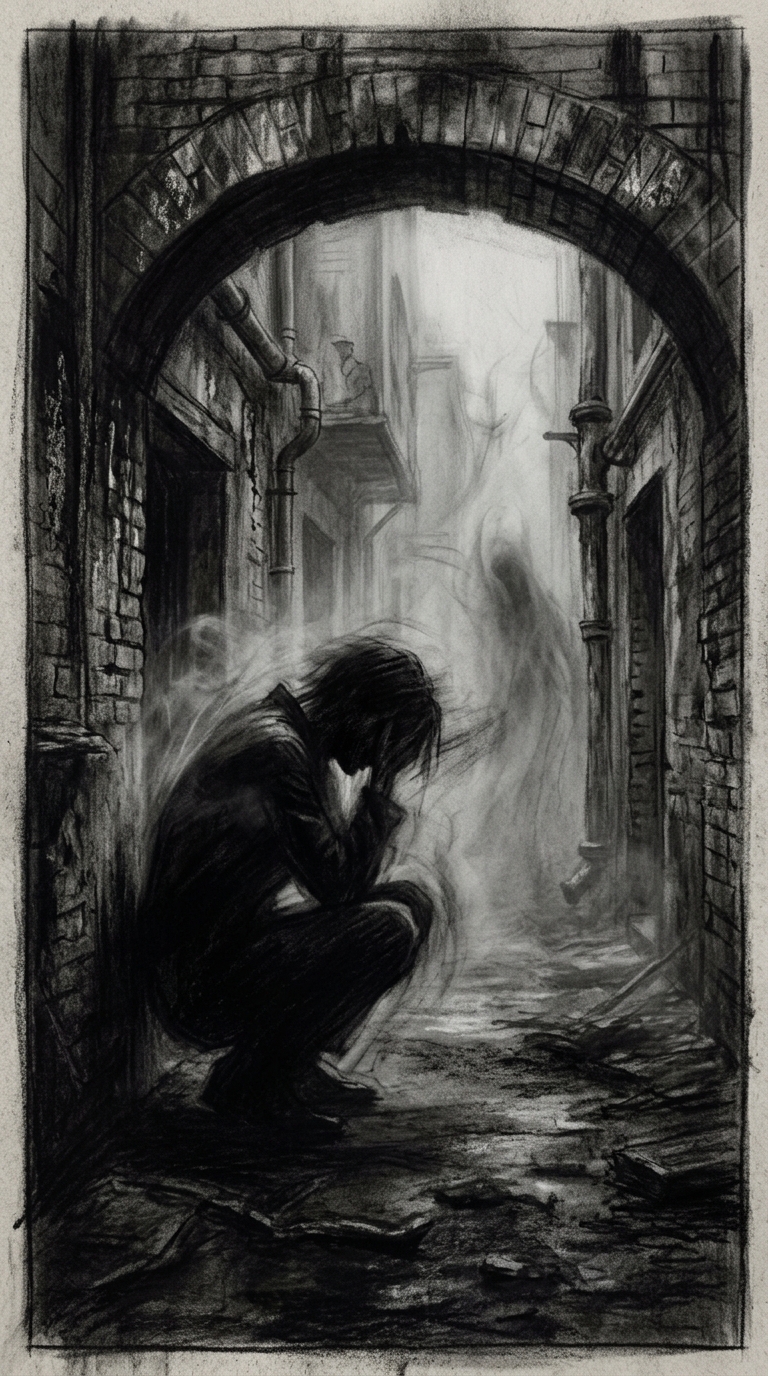
In that moment, the hall stretched infinitely beyond me, each echoing footfall another pull into the otherworldly. Her cries crescendoed into a wailing chorus, raising goosebumps along every inch of my skin. I realized then that this was no simple haunting—it was a plea, as potent and paralyzing as a heart laid bare.
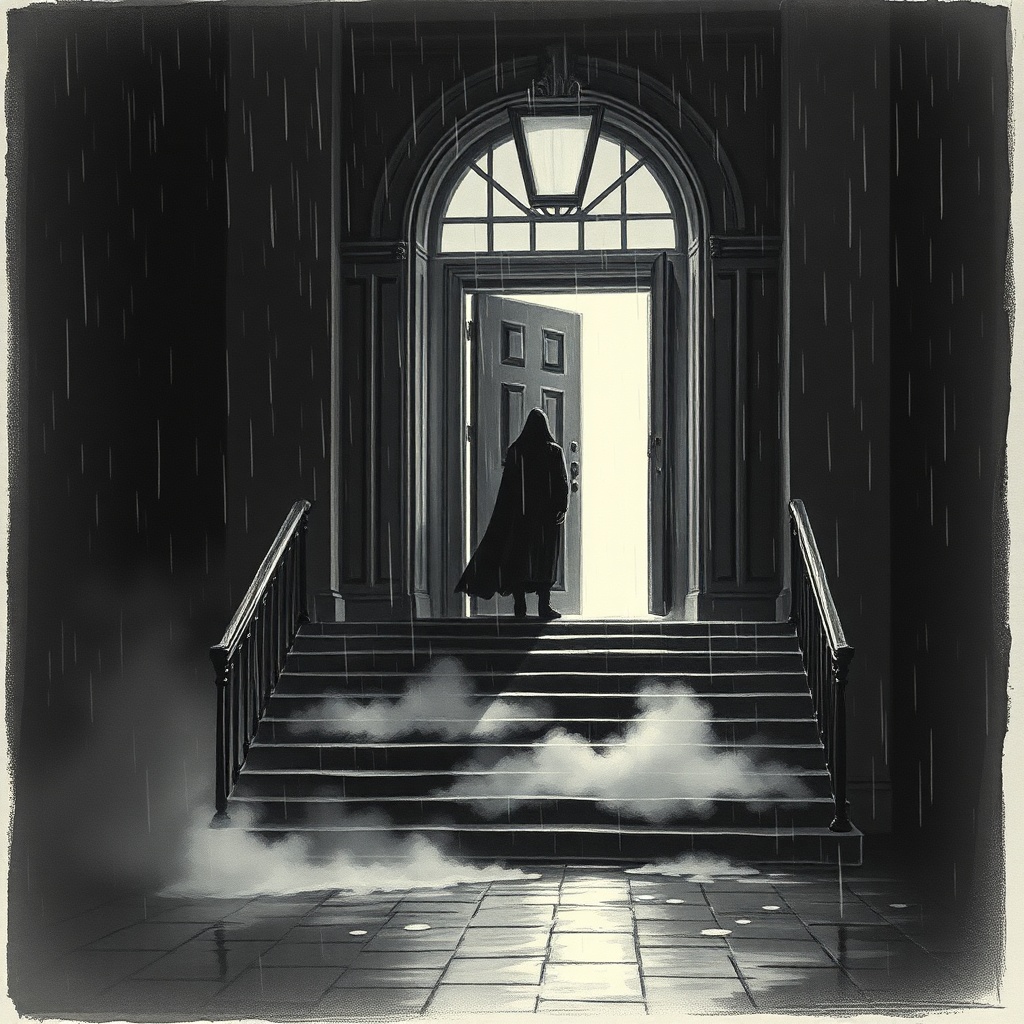
As I drew nearer, the figure's void-like eyes met mine, a link forged through shared desolation. I dared to reach out, fingers extended into the oppressive darkness. But as quickly as the moment came, it ended in silence. The specter dissolved like mist in the morning sun, leaving the hallway as empty and silent as it was before my ill-advised journey began.
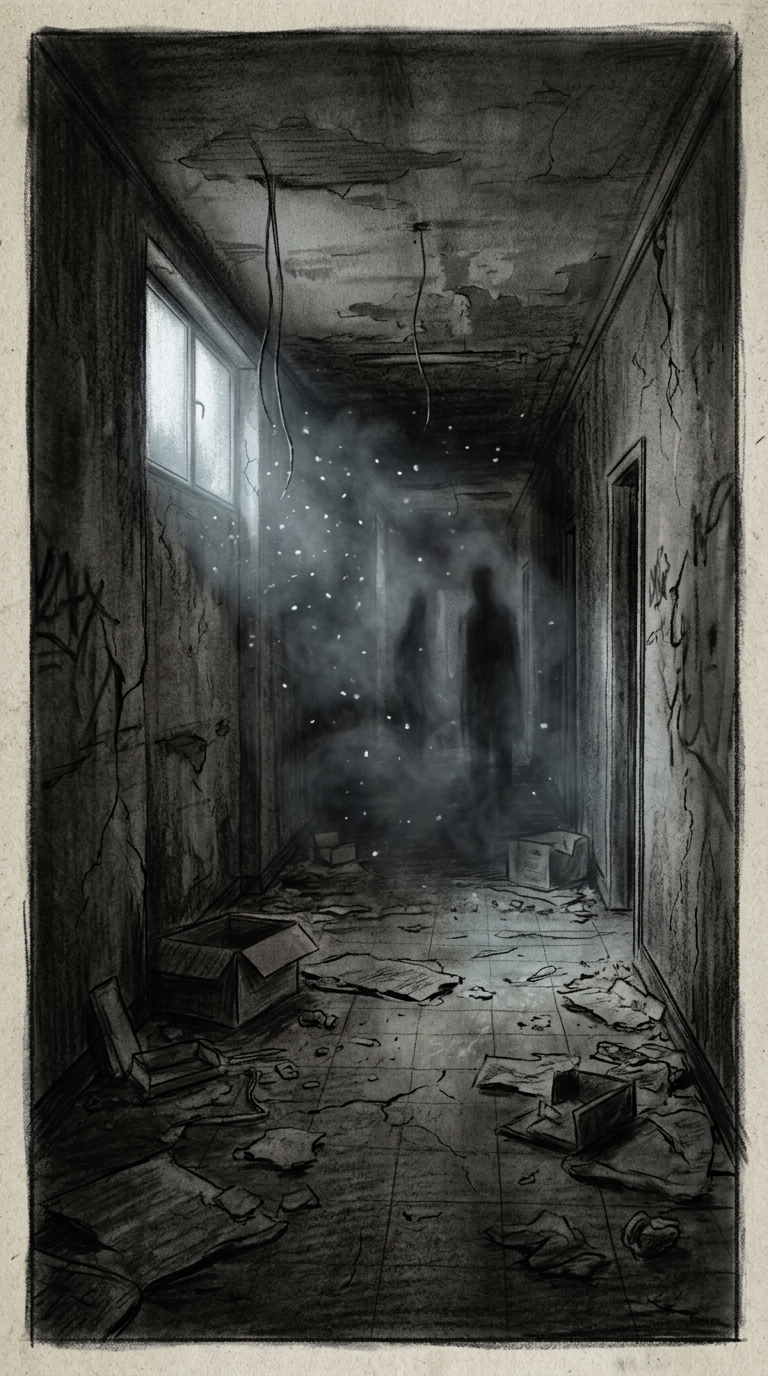
Breathing heavily, I stumbled back, my heart a thunderous drum refusing to calm. The hallway returned to its unassuming state, yet I was forever changed. I retreated to my room, desperately trying to make sense of my encounter, if sense was indeed to be made. I wouldn't dare venture there again, not when the sun had set.
The town seemed unchanged the next morning, life moving in its quaint rhythms. But whispers still followed me as I departed; perhaps not for what I saw—but what I might carry now.
Some experiences are meant to be witnessed but never understood. The Crying Shadow, I realized, was a sorrow unfathomed, an epitaph of forgotten chapters best left to midnight musings and tales spun by the timid and the brave. And though I may leave Monterosso, I understand now why locals steer travelers clear. Because once you hear the cries, they never entirely leave you.
Loved this story? Pulse it.
Pulses bubble up to the channel — they help us see which stories deserve sequels.