The Deadly Glow: The Matchworkers’ Secret

What kind of workplace hazard makes your mouth glow in the dark. Not metaphorically. Literally. In the late nineteenth century, a cheap little object you could toss in your pocket. The friction match. Became a slow, intimate horror for the people who made it, especially in the factory districts of Britain and the industrial cities of Europe and the United States. They called it “phossy jaw,” and the name sounds almost cute until you picture what it did.
The trouble started with a chemical that felt like modernity itself. White, or yellow, phosphorus. It ignites easily, which made it perfect for match heads in the era before lighters were common and electricity was still a novelty. Match factories mixed it into a paste with other ingredients, then dipped slender wooden splints by the thousands. It was fast. It was profitable. It also filled the air with phosphorus fumes and dust that settled onto hair, skin, clothes, and the food workers ate with unwashed hands. If you’ve ever come home smelling like your job, imagine coming home smelling like a laboratory accident.
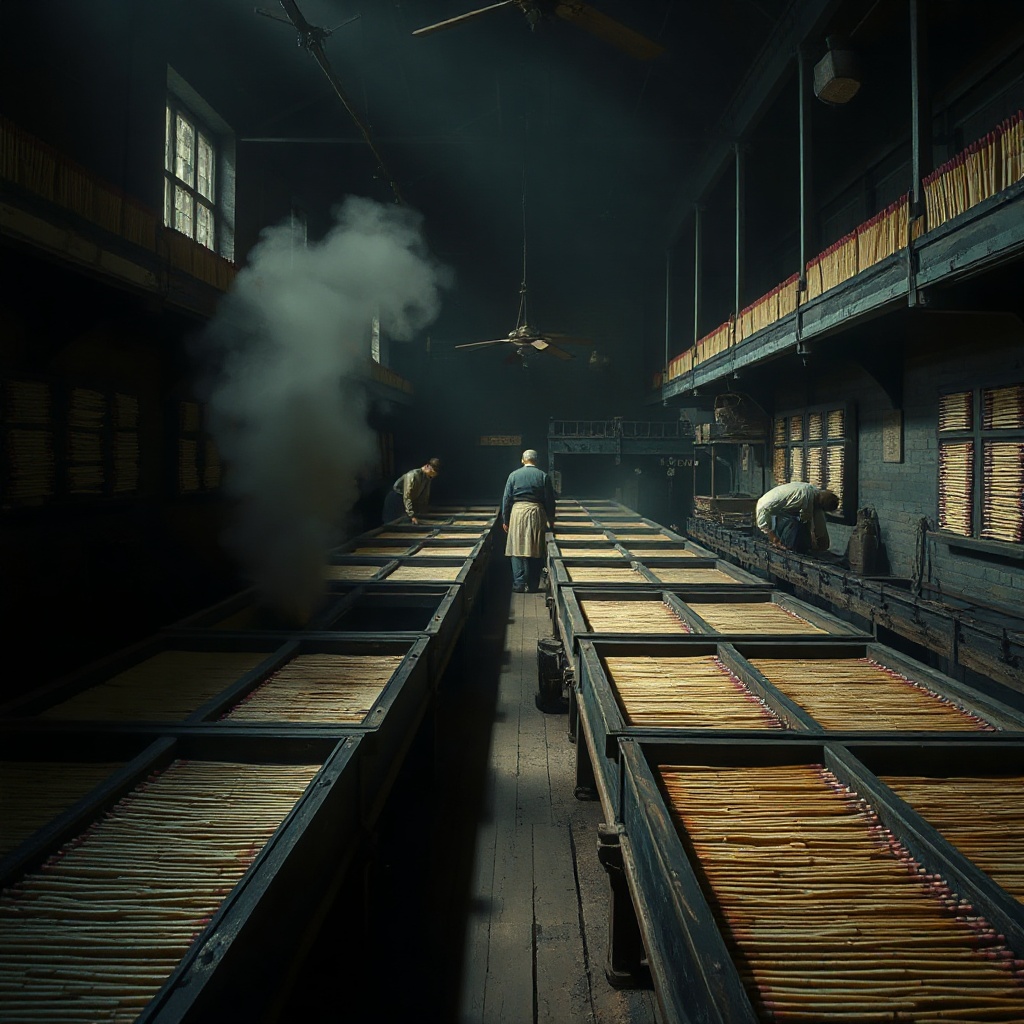
Most matchworkers were poor, many were women and girls, some barely teenagers, because nimble hands were cheap hands. In London’s East End, the Bryant and May factory became the most famous site of the trade, but it wasn’t alone. The same pattern appeared wherever white phosphorus matches were produced. Pay was low. Hours were long. Fines were common for small “offenses,” like talking or dropping materials. Ventilation was often bad, because open windows messed with temperature and humidity, and humidity mattered for match paste. The economics of a matchstick were cruelly precise.
Phossy jaw, medically phosphorus necrosis of the jaw, didn’t always strike quickly. It could begin as a toothache. A little swelling. A bad smell in the mouth that no one wanted to stand near. In many cases it followed a dental problem, an extraction, a cavity. That injury opened a route for phosphorus compounds to invade the bone. The jawbone could die, and once bone is dead it doesn’t politely stay put. It breaks down. It can ulcerate through gum and skin. Abscesses form. Pieces of bone, called sequestra, can separate and come away. Infection spreads. People grew disfigured. Some suffered chronic pain for years. Some died from complications like sepsis.
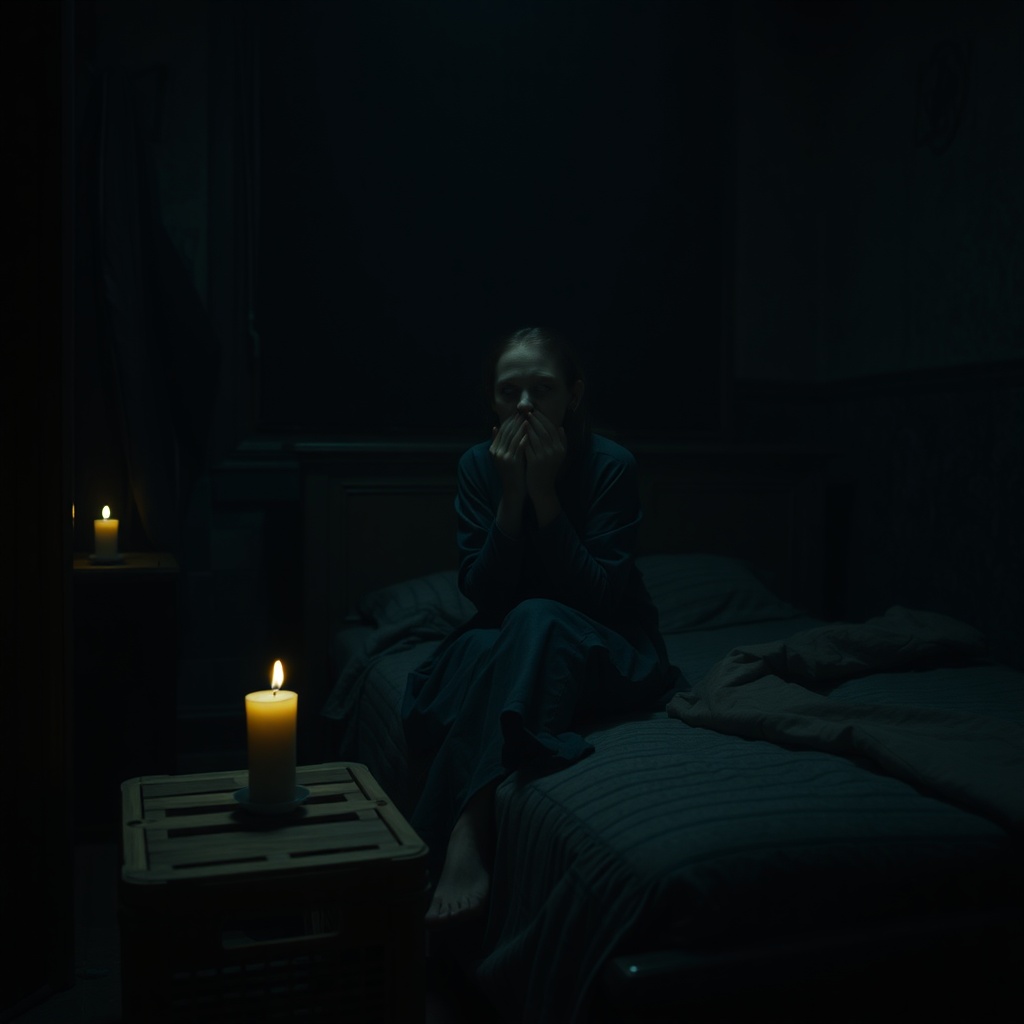
And then there was the detail that stuck in the public imagination, because it sounds like a ghost story told by a factory gate. In some cases, affected tissue could emit a faint glow. Phosphorus can luminesce as it oxidizes, especially in low light. Accounts describe a sickly greenish shimmer in the mouth, the breath itself seeming faintly luminous. If you’re trying to sleep in a crowded room and the person next to you has a glowing jaw, you’re not getting much rest. It’s grim, but it’s also the kind of thing people repeat because it feels impossible, like a Victorian urban legend that turned out to be true.
Doctors and investigators did not exactly miss what was happening. Cases were documented in the mid nineteenth century, and by the late 1800s the association with white phosphorus was well known in medical circles. The problem was that knowledge doesn’t automatically become protection when the people getting hurt have little power. Factory owners could argue that cases were rare, or that workers were unhygienic, or that the real issue was bad teeth. Some of that wasn’t entirely wrong. Poverty does wreck dental health. But it was also a convenient way to pretend the fumes weren’t the problem. If your business model depends on the hazard, you get very good at blaming the victim.
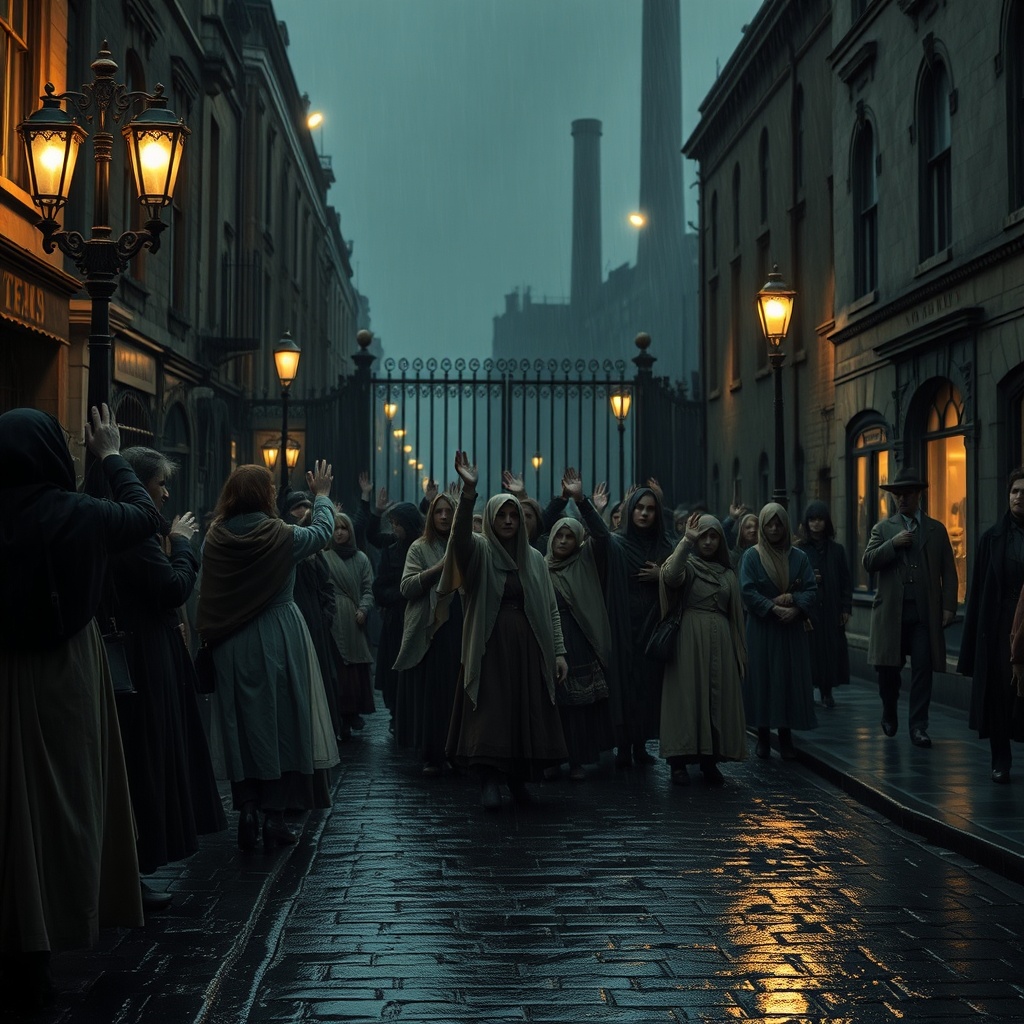
Workers fought back in the ways available to them. In Britain, the matchgirls’ strike of 1888 remains a landmark moment: young women at Bryant and May protested conditions and punitive fines, and the strike drew sympathetic attention from journalists and social reformers. It wasn’t solely about phossy jaw, but the disease hung over the industry like a warning flare. The strike helped build momentum for the “New Unionism” of the period, and it pushed the public to look at the hidden cost of cheap necessities. A match is tiny, but it lights a room. It also, briefly, lit up the conscience of a city.
There were alternatives, and that’s the part that makes the tragedy feel especially needless. Red phosphorus, used on “safety matches,” is far less dangerous because it’s more stable and not present in the air as the same kind of fume. Safety matches had existed since the mid nineteenth century, and some countries and companies did adopt them. But white phosphorus “strike-anywhere” matches were popular and profitable. They worked in wind. They worked on rough surfaces. They sold well. So the question became political: how many ruined faces and early graves were worth the convenience of a match you could light on your boot.
Governments moved slowly, then all at once. Regulations appeared in different places at different times, often after public scandals and parliamentary inquiries. In Britain, white phosphorus matches were finally prohibited in 1908, following international pressure as well as domestic campaigning. The International Berne Convention of 1906 was a key moment, an agreement among several countries to ban white phosphorus in match manufacture, though not every major nation signed immediately and enforcement varied. The United States banned white phosphorus matches federally in 1912, using a tax approach that effectively priced them out of existence. The details differ by country, but the arc is the same: the hazard was known, alternatives existed, and change came when outrage and policy finally aligned.
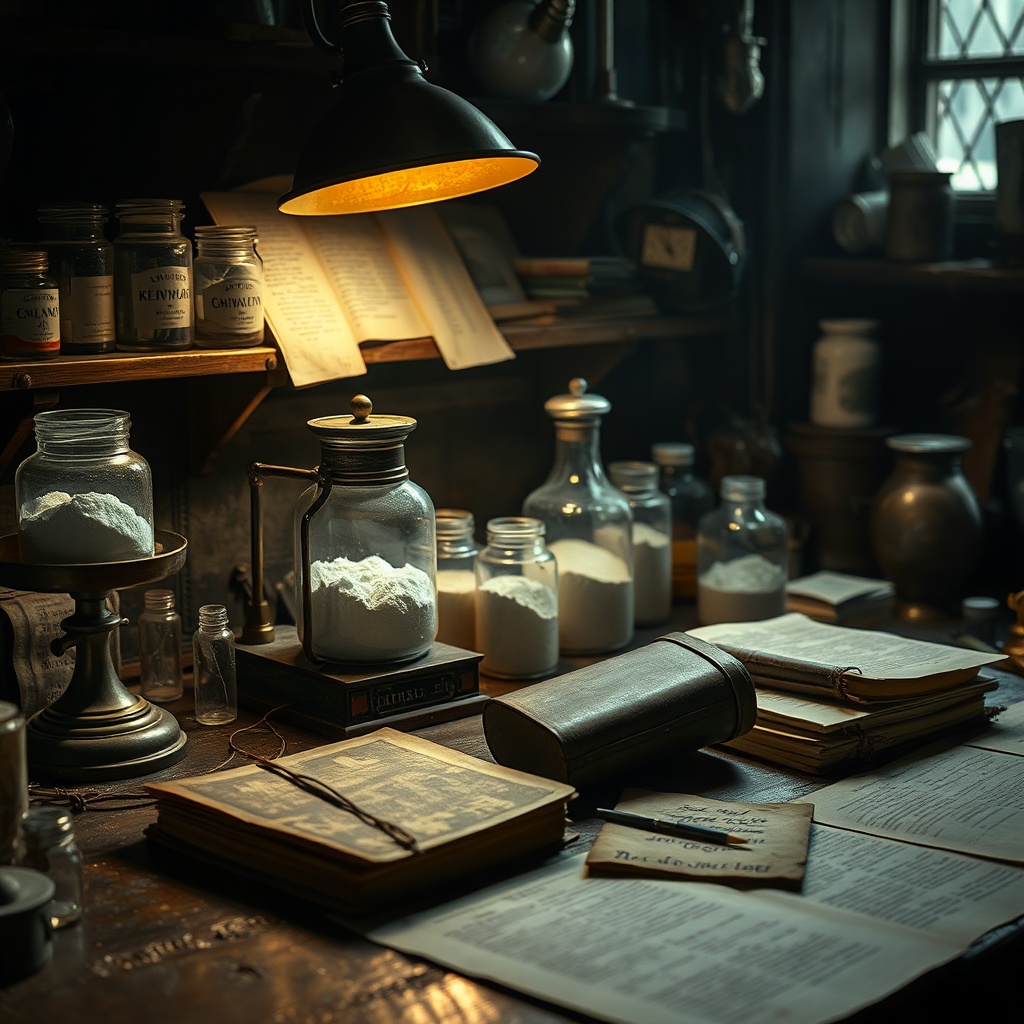
For the people who had already been harmed, reform came late. Treatment for phossy jaw could be brutal. Surgeons sometimes removed dead bone, and severe cases required partial jaw resections. Even when surgery helped, disfigurement and stigma could follow. There’s a particular loneliness to diseases that announce themselves on the face. Work becomes harder to find. People stare. Friends drift. And all of it started with a job that was supposed to keep you alive.
It’s tempting to frame this as a tidy morality tale, Victorian cruelty defeated by modern regulation. Reality is messier. Some factory owners improved conditions earlier. Some workers never developed the disease despite exposure, and others were unlucky after a single dental injury. Records are incomplete, and sensational accounts sometimes blurred into rumor. But the core facts are sturdy: white phosphorus exposure in match manufacture caused a distinctive, devastating industrial disease, and it disproportionately hit the poor who had the least ability to refuse the risk.

I think about how small the original object was. A matchstick is the kind of thing you find in a drawer and don’t even remember buying. That’s part of why this story sticks. The harm wasn’t dramatic like an explosion. It was slow. Administrative. Breathed in day after day. When people talk about “acceptable risk” in industry, this is what they mean, whether they admit it or not: someone, somewhere, deciding that other people’s bodies are the cheapest place to save money.
Phossy jaw still matters because it’s a classic pattern that repeats with new materials and new slogans. A miracle ingredient arrives. Production scales up. Workers get sick. Companies debate. Governments hesitate. Investigators publish. Reformers shout. Eventually the rules change, often after damage that cannot be undone. The matchworkers’ deadly glow is a reminder that progress has a price tag, and that the people asked to pay it usually aren’t the ones who get to strike the match.
Loved this story? Pulse it.
Pulses bubble up to the channel — they help us see which stories deserve sequels.