Masada: The Final Stand of Defiance
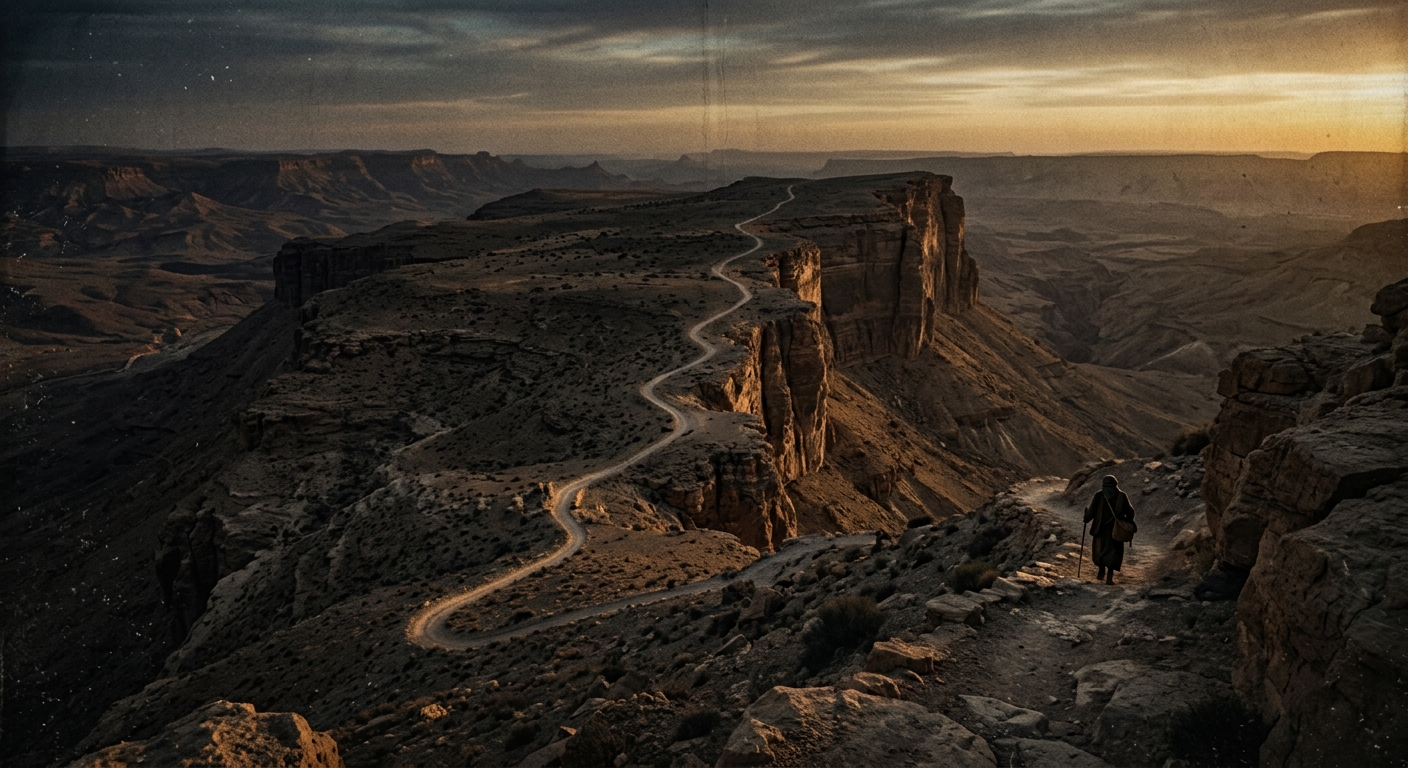
A fortress that looks like it was dropped from the sky has a way of making you believe in last stands. Masada rises out of the Judean Desert near the Dead Sea, a flat topped mesa with cliffs like cut stone. Even today, standing at the bottom and craning your neck, you understand the first rule of this place. Up there, someone can hold out. Someone can make an empire sweat. And in the first century CE, they did.
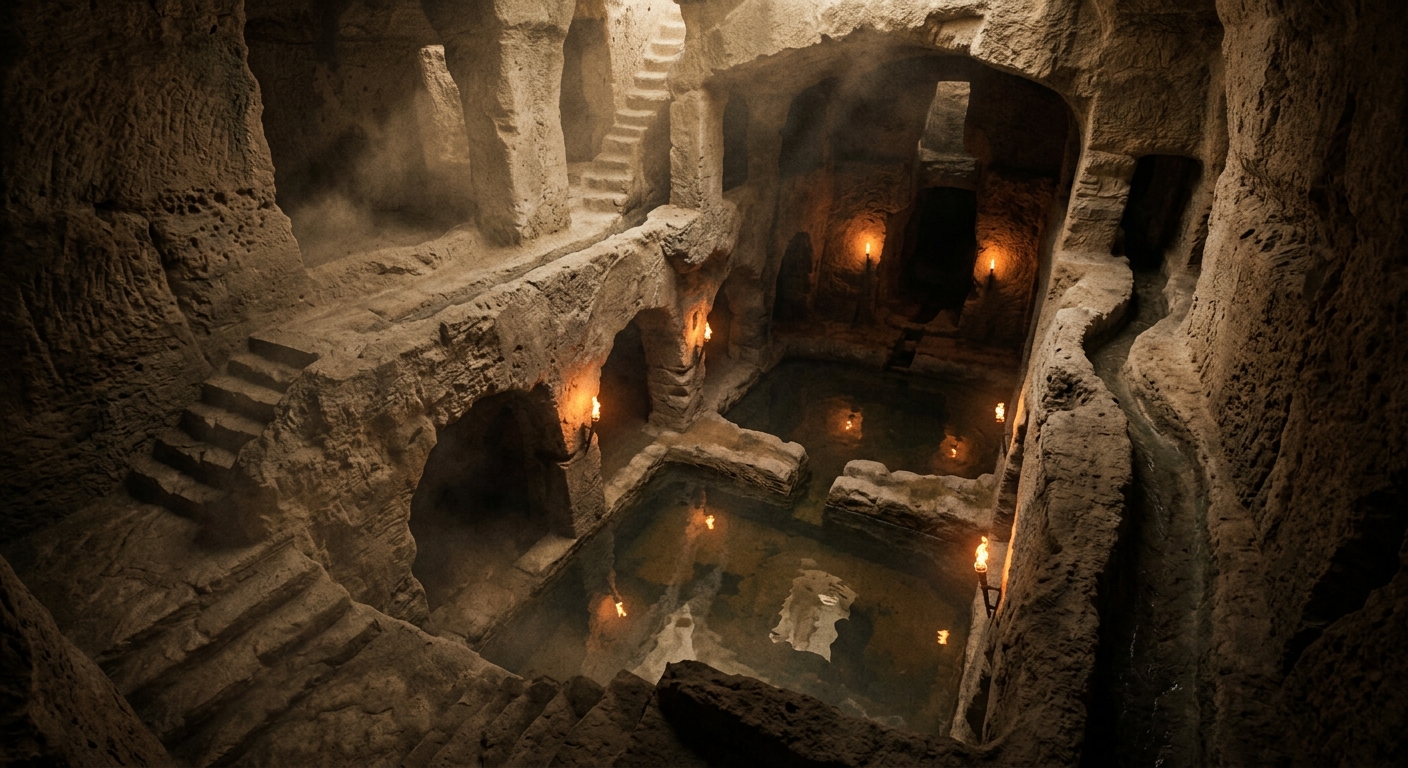
The story begins before the famous ending. Masada was fortified in the late first century BCE by Herod the Great, the client king of Judaea under Rome. Herod was a builder with an anxious streak, the kind of man who doesn’t just want a palace, he wants an escape plan for the palace. On Masada he created a complex of storerooms, cisterns carved into the rock, baths, living quarters, and cliff side palaces that somehow look luxurious and terrified at the same time. The whole project screams paranoia with good interior design. The genius of it was water. In a place where the air seems to drink moisture before you can, Herod’s engineers channeled flash floods into cisterns that could sustain people for a long time.
After Herod’s death, the region lurched through tension, misrule, and rebellion. In 66 CE, the First Jewish Revolt erupted against Roman authority. The causes were political, economic, and religious, tangled like thorns. Josephus, our main narrative source and a man with complicated motives, describes brutalities on both sides, factions within Jerusalem, and an atmosphere where moderation got you killed by your own neighbors. Rome responded the way empires usually do when challenged. Methodically. Overwhelmingly.
Somewhere in that chaos, a group associated with the Sicarii, a radical faction named for the small daggers they carried, took control of Masada. Josephus says their leader was Eleazar ben Ya’ir. Exactly how many people ended up on the plateau is part of the drama and part of the uncertainty. Josephus gives the famous figure, 960 men, women, and children. It’s a number that has echoed for nearly two millennia, but numbers in ancient texts are sometimes rhetorical as much as statistical. Archaeology has confirmed occupation and conflict, yet it can’t simply tally every soul Josephus counted. What’s solid is this. Masada became one of the last pockets of resistance after the Romans crushed the revolt’s heart.
In 70 CE, Jerusalem fell. The Second Temple was destroyed. If you’ve ever seen the relief on the Arch of Titus in Rome, with the Temple treasures carried in triumph, you can almost hear the clatter of empire turning tragedy into decoration. After 70, the war did not vanish. It contracted, hardened, and scattered. A few places held out. Masada, by geography and by psychology, was made for the role. A high rock in the desert becomes a symbol whether you want it or not.
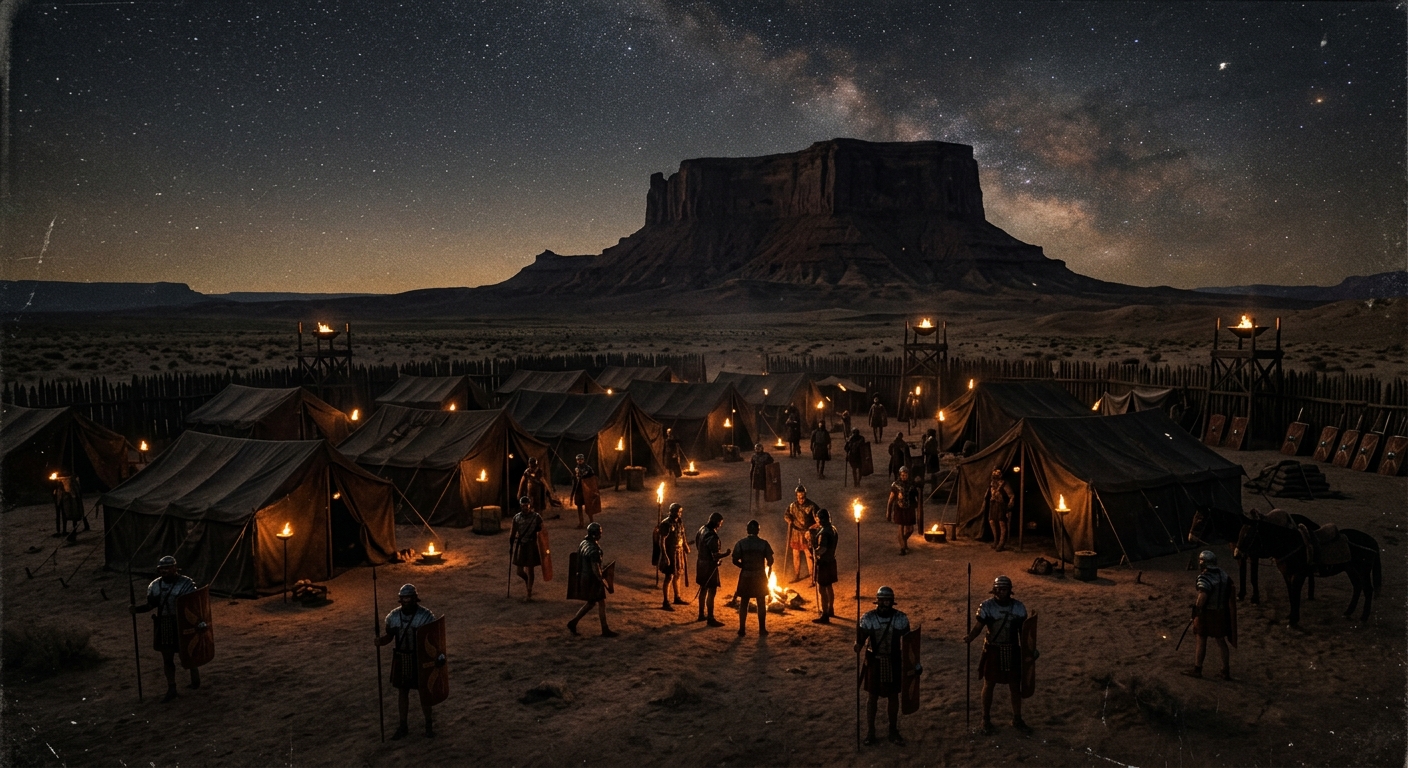
The Roman response to a stubborn fortress was rarely poetic. It was engineering. Around 72 or 73 CE, the Roman governor Lucius Flavius Silva led the Tenth Legion to Masada. The Romans built a circumvallation wall, a ring around the base to prevent escape, with camps positioned like clenched fists in the dust. You can still trace parts of it today. It’s one of those moments when the past feels less like a story and more like footprints that refuse to fade.
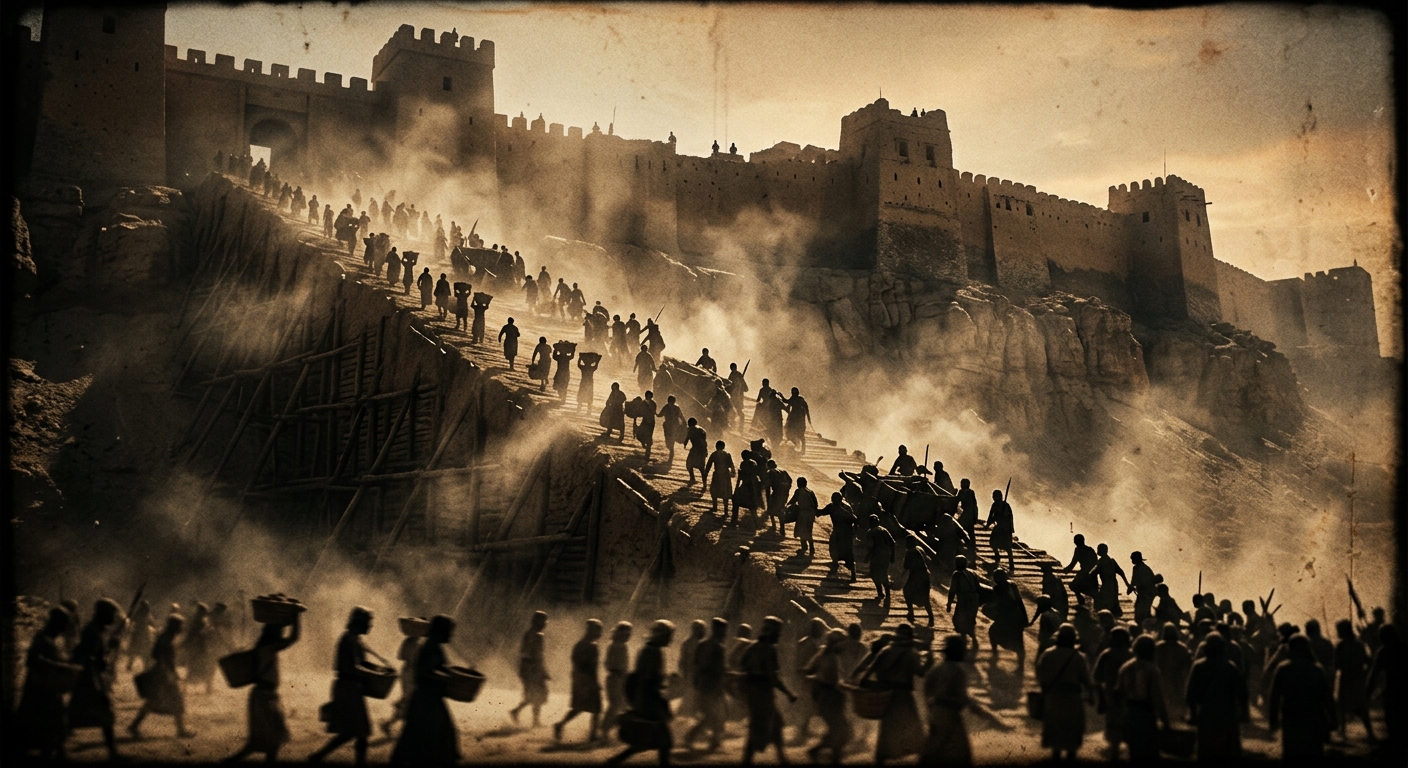
Then came the ramp. If you want a single image of Roman persistence, it’s that ramp rising on the western side, a massive earthen and stone incline built to bring siege engines up to the walls. It likely used a natural spur as a foundation, then grew day by day under the sun, under orders, under the lash of discipline. The defenders watched it climb toward them, a slow moving threat that didn’t need to hurry because Rome had time. The desert is good at stripping life down to essentials. At Masada, it stripped conflict down to labor and gravity.
What happened at the end is the part people argue about in hushed voices. Josephus says the Romans breached the defenses with a battering ram and siege tower. That night, Eleazar spoke to his people. Josephus gives him long speeches, elegantly shaped, full of philosophical resignation and fierce refusal. It’s powerful writing. It’s also Josephus. He liked speeches. Ancient historians often composed them to express what they believed was the essence of a moment, not necessarily a transcript. So we should treat the words as literature built on an event, not a recording.
According to Josephus, the defenders chose death over capture. They killed their possessions, set the buildings on fire, and then, by lots, killed their families and finally themselves, leaving only a few survivors, including two women and several children, who hid and later told the Romans what happened. In his account, when the Romans entered, they found an eerie stillness, smoke, and bodies. Not a dramatic final battle, but a silence that would have unnerved hardened soldiers. If you’ve ever walked into a room right after an argument and felt the air vibrate, imagine a fortress after an ending like that. The Romans had prepared for resistance. They were met by absence.
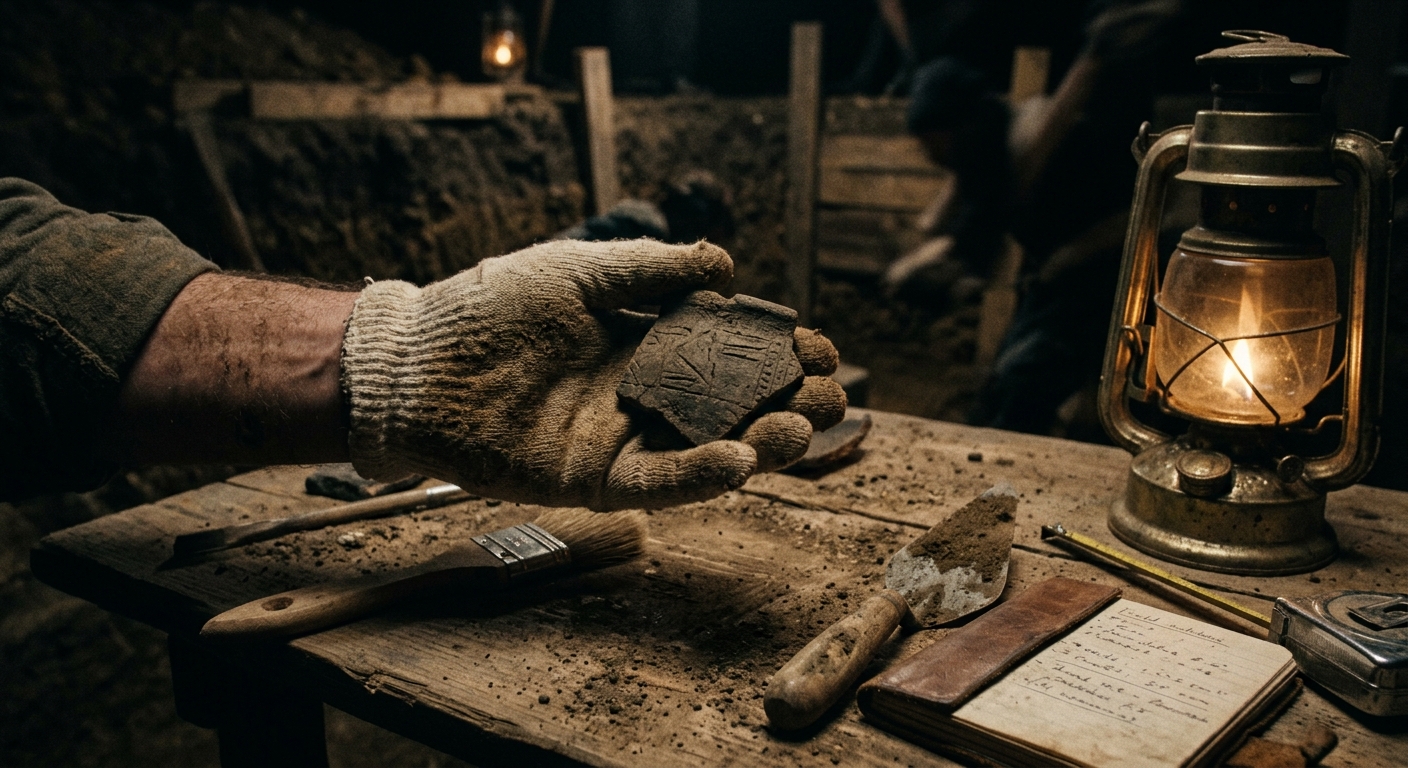
Archaeology has complicated and enriched this narrative. Excavations at Masada in the 1960s uncovered Roman camps, the circumvallation line, the ramp, and evidence of burning. They also found ostraca, pottery shards with inscriptions, including names. Some have suggested these could relate to the “lots” Josephus described, though certainty is elusive. Human remains were found as well, but the picture is not as simple as a single mass event neatly matching Josephus’s number. That mismatch doesn’t prove Josephus fabricated everything. It does remind us that ancient catastrophe doesn’t always leave tidy receipts.
So why did Masada matter, then and later. For Rome, it was the final punctuation in a campaign of reasserting control. An empire does not like loose ends. For the Jewish people of the time, it was another trauma layered onto the destruction of Jerusalem. A last refuge fell, and with it, the remaining hope that armed resistance could reverse the new reality. In the decades after, Jewish life reorganized around different centers and strategies. Rabbinic tradition emphasized learning, law, and communal resilience rather than doomed military holds. History didn’t end at Masada. It changed its method of survival.
Much later, Masada became something else. Not just a site, but an argument. To some, it’s a symbol of heroic defiance. To others, it’s a warning about extremism, despair, or the romanticizing of death. If you’ve ever sat at a kitchen table with friends and realized you’re all telling the same story but drawing opposite morals, you know the feeling. Masada is that, scaled up across centuries. A single plateau hosting multiple meanings.
There’s also the uncomfortable, human detail behind any “epic last stand”. It wasn’t only warriors on a wall. If Josephus is even roughly right, it included children, ordinary families, people who didn’t ask to become symbols. When modern visitors look out from the summit across the desert, the view is astonishing, but the wind doesn’t tell you who was brave, who was terrified, who argued, who begged for another plan. That’s part of the event’s haunting power. It forces you to remember that history’s clean narratives are usually written after the dust has settled.
Masada still gets talked about because it’s a collision of absolutes. Rock and empire. Freedom and annihilation. The romance of resistance and the cost of it. Even the uncertainties matter. We have Josephus, we have stones and ash and scattered fragments, and we have the gap between them where interpretation lives. Standing there in your imagination, you can almost hear both sides. The Roman engineers measuring angles. The defenders watching the ramp rise. And the desert around them, indifferent, keeping their secret while also preserving it.
Loved this story? Pulse it.
Pulses bubble up to the channel — they help us see which stories deserve sequels.