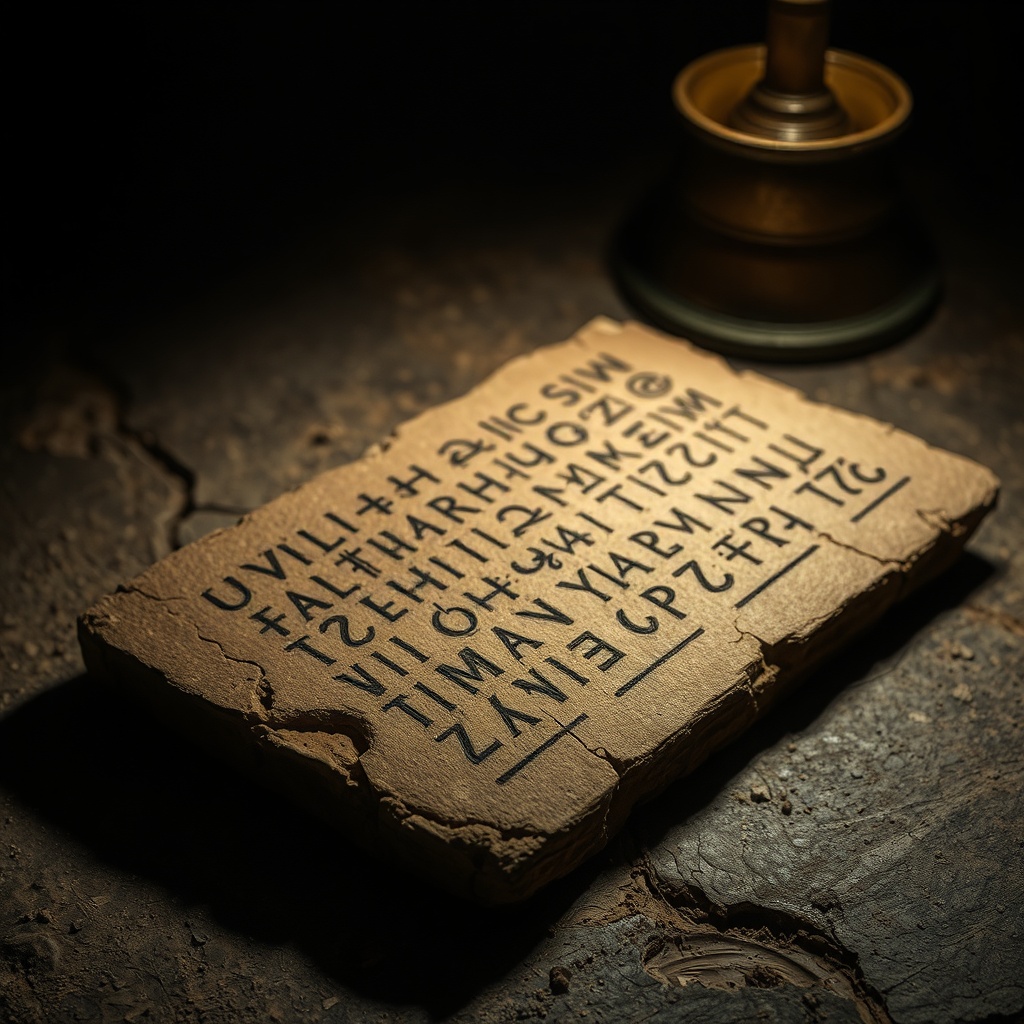
The Battle That Stopped the Mongols Forever
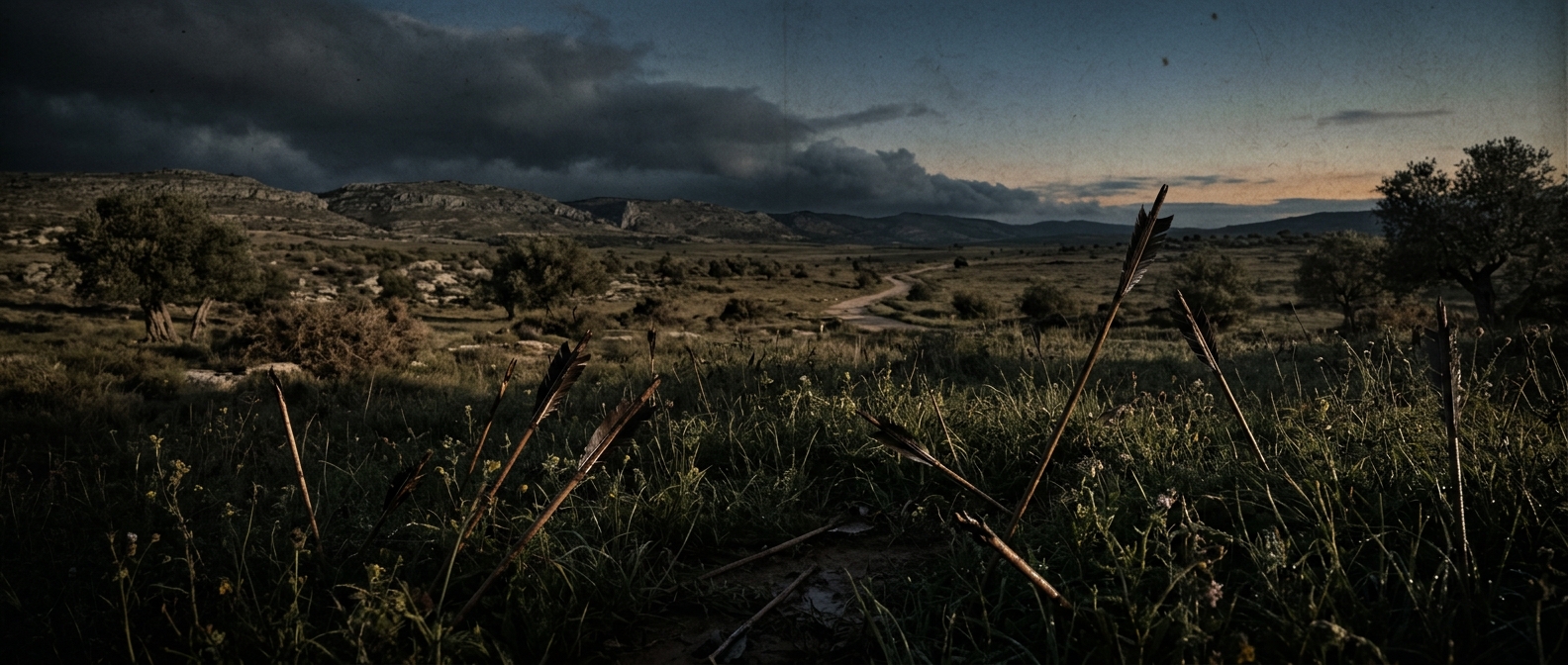
Some battles feel like a door slamming shut on history’s fingers. In 1260, at a place called Ayn Jalut, the Mongols. Yes, the Mongols. Met an army they couldn’t simply frighten, outmaneuver, or ride down, and the shockwave ran from the hills of Palestine to the palaces of Cairo and the steppes beyond.
The setup is almost unfair. In the decades before Ayn Jalut, the Mongol Empire had been expanding with a kind of brutal efficiency that turned “unstoppable” into something like a job title. Cities across Central Asia and Persia fell. In 1258, Baghdad, the old Abbasid capital, was taken and ravaged, a catastrophe that echoed through the Islamic world like a bell you can’t unhear. Damascus soon followed. The Mongol tide had rolled to the eastern edge of the Mediterranean, and plenty of people assumed Egypt was next. If you’d been a merchant packing your ledgers, or a scholar clutching your books, you probably didn’t debate whether the Mongols would come. You debated how soon.
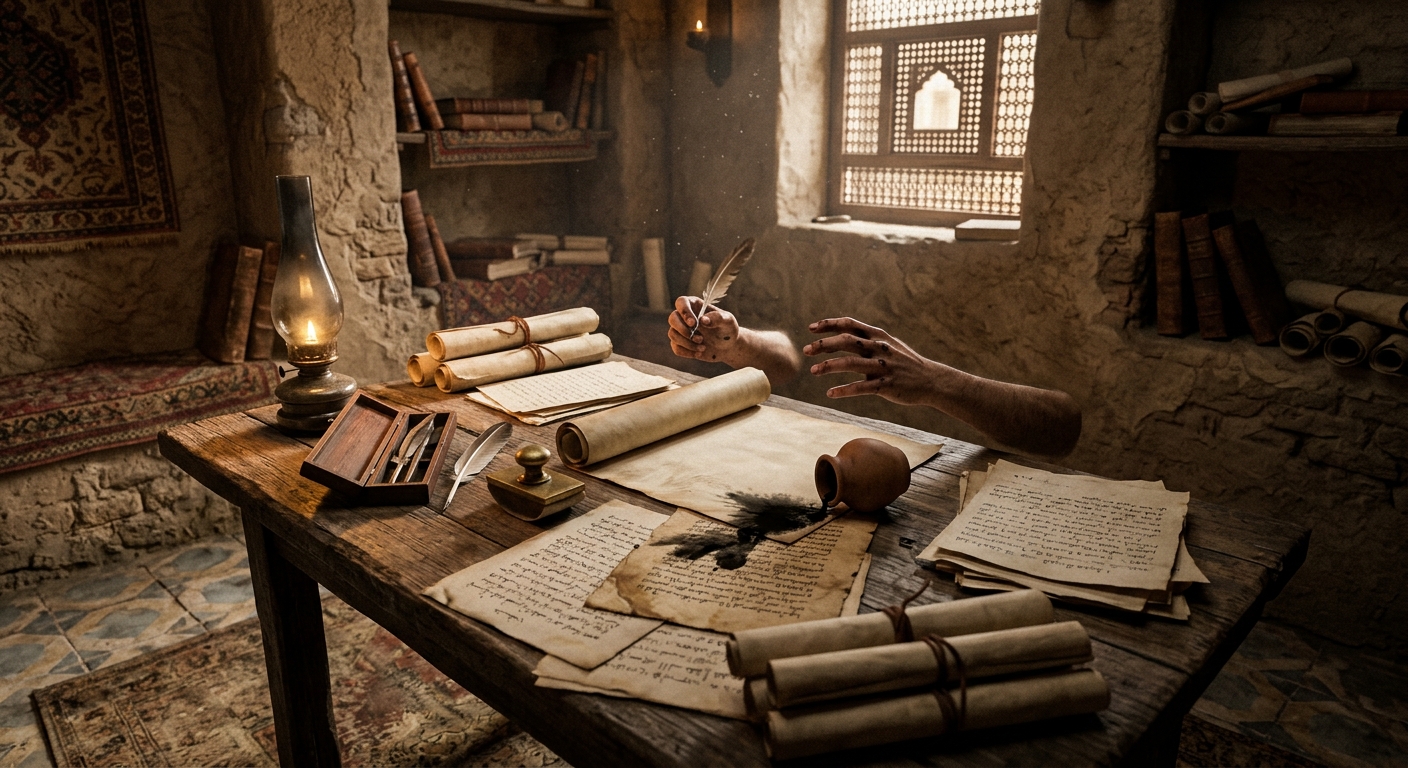
But history loves a hinge, and the hinge here was partly internal Mongol politics. In 1259, the Great Khan Möngke died, and that mattered because Mongol campaigns weren’t just military operations. They were tied to legitimacy, succession, and who had the right to command. Hulagu Khan, the Mongol leader pushing into the Middle East, pulled a significant part of his forces back eastward amid the succession struggle. He didn’t abandon the region, but he left behind a smaller army under his general Kitbuqa. Smaller, in this case, is relative. Still terrifying, still seasoned, but no longer the full avalanche.
Egypt at this moment was ruled by the Mamluks, a military elite whose origin story sounds like the kind of twist a novelist would be scolded for. Many Mamluks had been brought in as enslaved soldiers, trained hard, bound to their comrades and commanders, and then, over time, they became the power. Cairo’s politics could be sharp enough to cut leather. Leadership changed hands by intrigue and violence as often as by inheritance. The Sultan in 1260 was Qutuz, and one of his key commanders was Baybars, a man with a reputation for audacity and a gift for reading a battlefield. If you want a quick way to picture the Mamluks, imagine a state built around cavalry professionalism, discipline, and the certainty that tomorrow might contain a coup. It keeps a man alert.
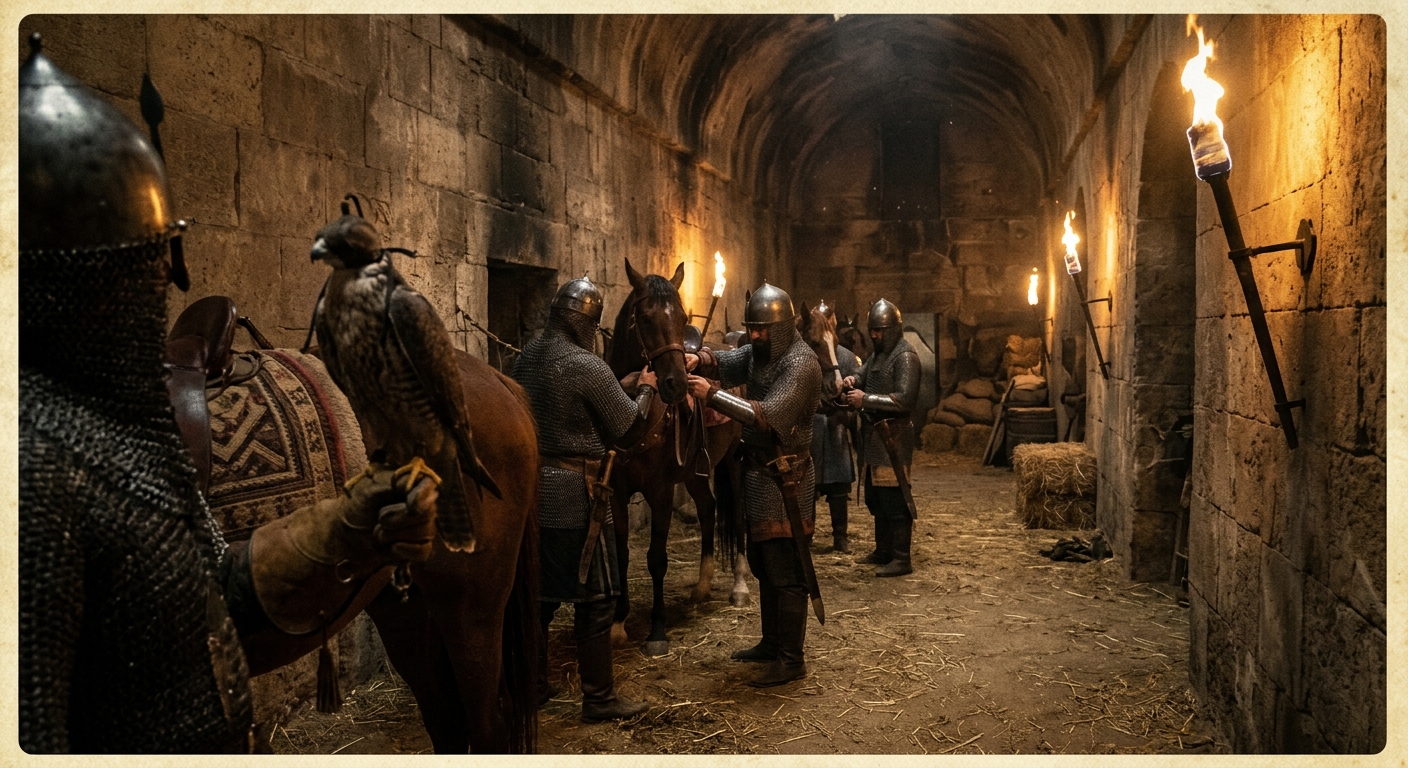
When word of Mongol pressure reached Egypt, the Mamluks faced a hard choice. Defensive waiting is comforting, but it often means letting your enemy choose the ground. Qutuz decided on movement. The Mamluks marched north, aiming to meet the Mongols in the Levant rather than at the Nile’s doorstep. There’s also the complicated presence of the Crusader states along the coast. They were not friends of Cairo. But politics makes strange temporary roommates, and at this moment, some Crusader leaders allowed the Mamluk army to pass and even resupply, preferring a Mamluk buffer to a Mongol one. It wasn’t romance. It was real estate.
The armies converged near Ayn Jalut, usually identified in the Jezreel Valley area. The exact micro-geography can be argued, but the broad picture is clear enough. It’s a landscape of open ground broken by hills and folds, good country for cavalry, and good country for tricks. The Mongols had built their legend on mobility, horse archery, feigned retreats, and psychological warfare. The Mamluks knew those methods, too. They had fought Mongol forces before, and unlike many earlier opponents, they had a comparable cavalry culture and the institutional habit of drilling for war.
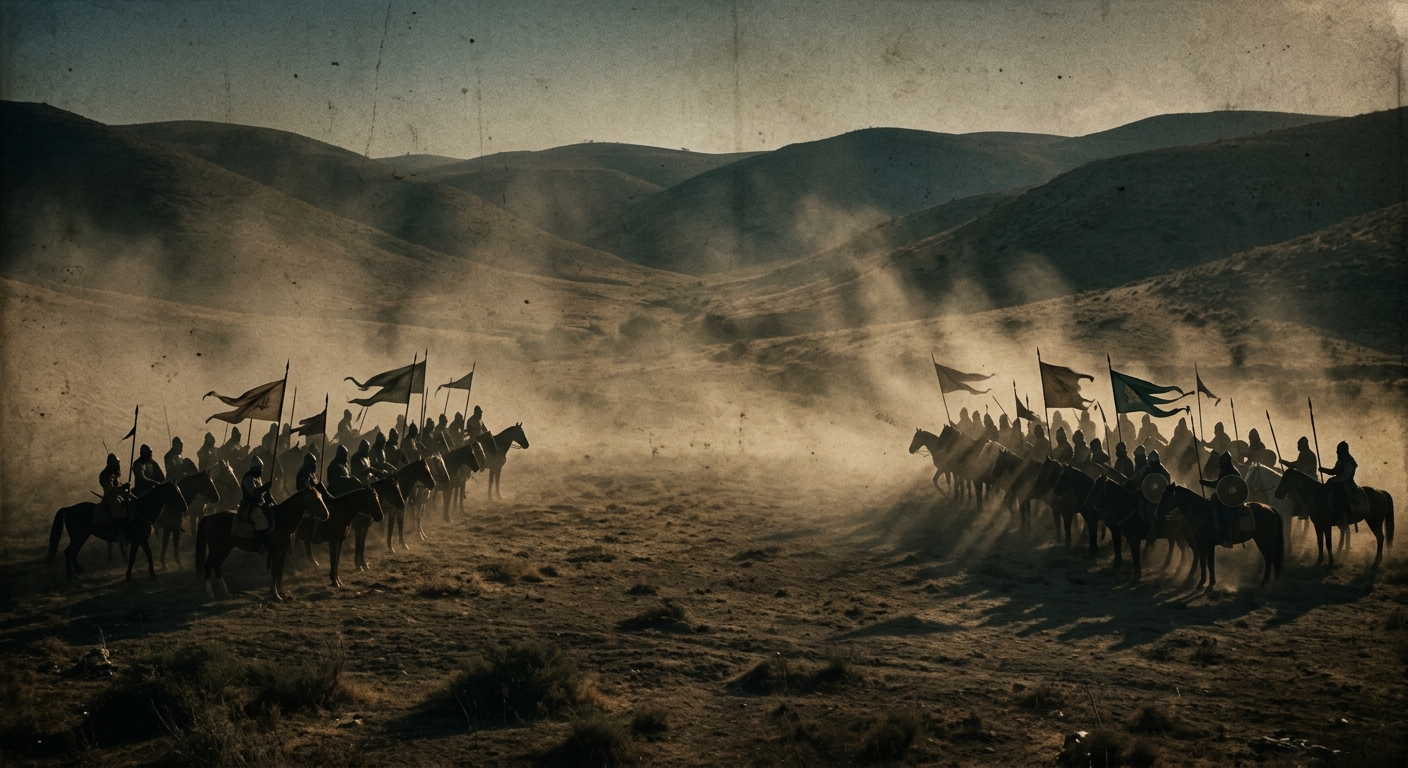
The battle on September 3, 1260, is remembered as the moment the Mongols were checked, but it wasn’t won by courage alone. The Mamluks used tactics that met steppe warfare on its own terms. Sources describe feigned retreats and ambush elements, with Baybars often credited with luring Mongol forces into a trap. You can almost see it. A forward Mamluk element engages, then pulls back. The Mongols, trained to smell weakness and chase it, press in. Then the rest of the Mamluk force hits from concealed positions. It’s the kind of plan that looks brilliant on paper and terrifying in execution, because timing has to be perfect, and panic is contagious.
There’s also the matter of weapons and battlefield technology. The Mamluks used skilled archery and heavy cavalry charges. Some accounts mention the use of early gunpowder devices, sometimes described as hand cannons or bomb-like weapons, though the details are debated and the terminology in medieval sources can be slippery. What’s not debated is the sensory violence of the encounter. Horses screaming. Dust rising in curtains. Arrows making the air feel occupied. Men trying to command through noise that swallows shouted orders. I once watched two riders try to coordinate a simple turn at a crowded equestrian show, and it was chaos. Multiply that by armies, and add sharp metal.
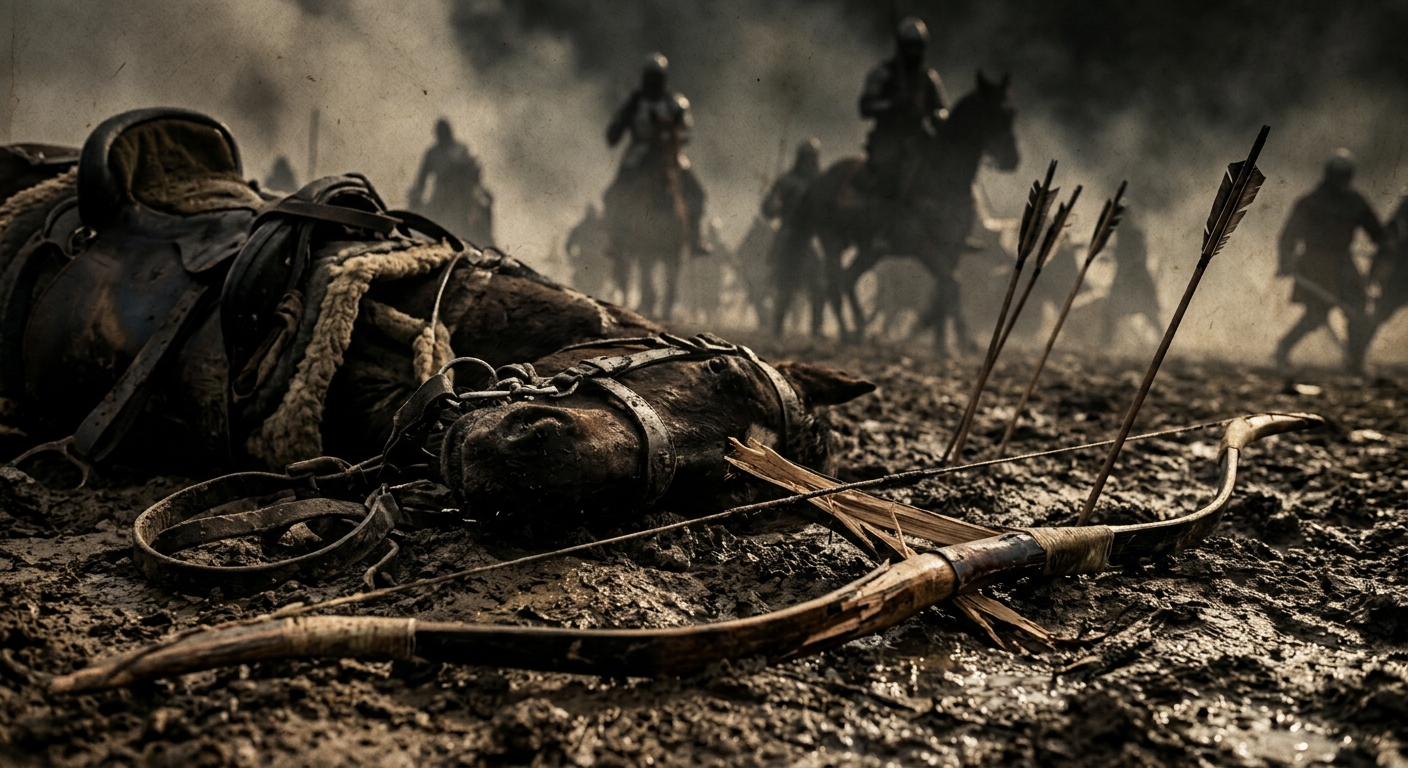
At some point, Kitbuqa was captured and executed. That detail matters because Mongol commanders were not just tacticians. They were symbols. A Mongol defeat with a captured general wasn’t just a setback. It was a narrative wound. For an empire that thrived on the myth of inevitability, losing a major battle in the open field was poison to morale and prestige. The Mongols had lost battles before, but Ayn Jalut became famous because it happened at the edge of their westward push, at a moment when people were already whispering that maybe the world was ending.
The aftermath was not a simple “and then the Mongols never came back.” They did come back. The Ilkhanate, the Mongol state in Persia, continued to fight the Mamluks for decades, with raids, invasions, and shifting alliances. But the strategic picture had changed. The Mamluks held Syria for long stretches and established themselves as the major power of the eastern Mediterranean. Their victory also helped shape the region’s political map, buying time for institutions and cities that might otherwise have suffered the kind of annihilation seen elsewhere. Cairo, in particular, became a center of Islamic learning and power in the post-Baghdad world, and that shift wasn’t just cultural. It was the hard product of soldiers who had decided the line would be drawn north of Egypt, not at its gates.
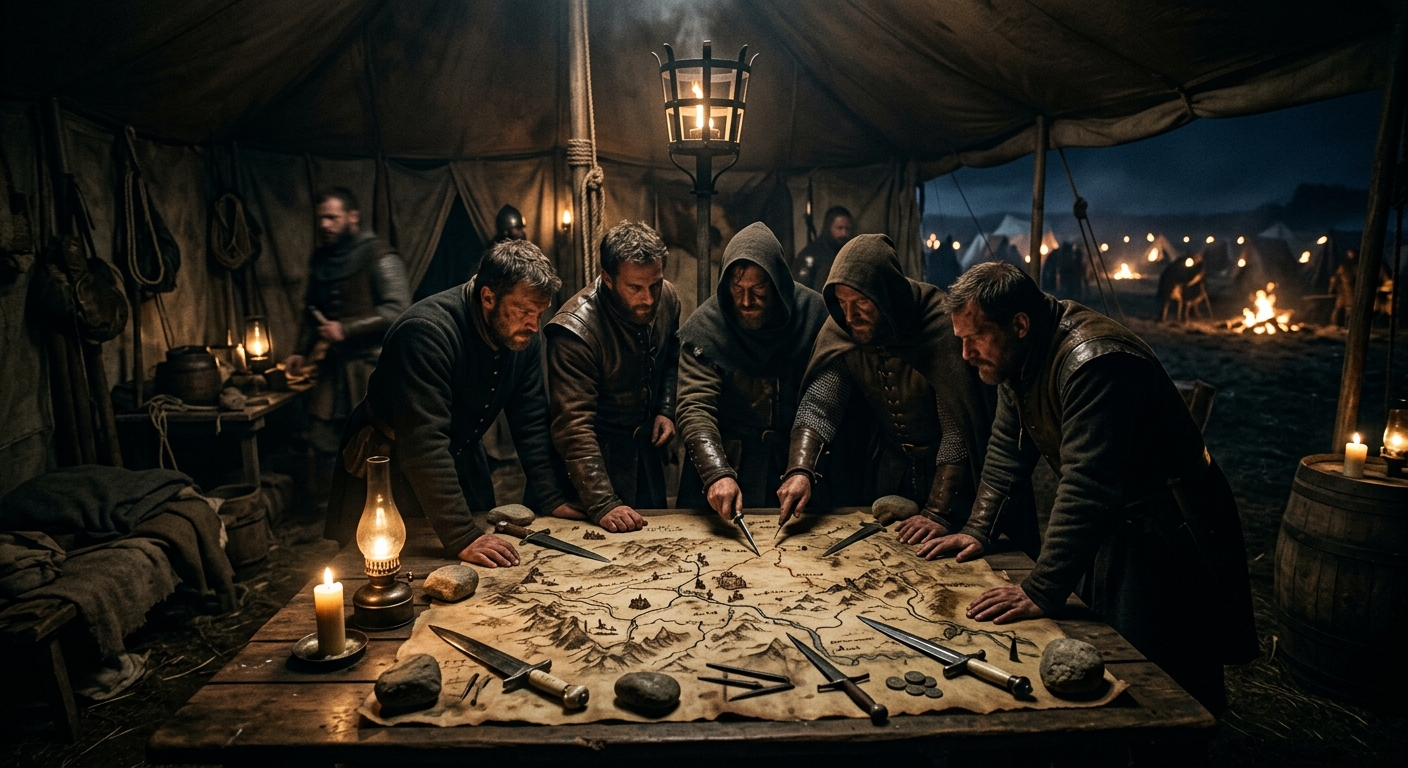
There’s a darker, more human coda, too. Not long after the victory, Qutuz was assassinated, and Baybars became Sultan. Medieval states rarely waste a good triumph on stability. The same military machine that saved the realm also contained the ambition to seize it. Baybars would go on to be one of the Mamluk Sultanate’s most formidable rulers, consolidating power and continuing the struggle against both Mongols and Crusader footholds. If Ayn Jalut was a door slamming shut on Mongol momentum, Baybars made sure someone posted guards.
So why does this battle still get talked about with that special tone, the one reserved for turning points. Partly because it feels like the first clear proof that the Mongols could be beaten in a decisive way in the Near East, not by a lucky skirmish, but by an army that learned their language of war and answered fluently. Partly because it sits at the crossroads of big themes. Empire and succession. The fragility of “unstoppable” machines. The way ideology and rumor ride alongside cavalry.
And partly, if I’m honest, because we like a story where fear meets preparation and loses. Ayn Jalut reminds us that even the largest forces in history run into limits, and that those limits often appear not as miracles, but as exhausted men, disciplined horses, and a plan executed at exactly the right moment in a dusty valley where the wind doesn’t care who wins.
Loved this story? Pulse it.
Pulses bubble up to the channel — they help us see which stories deserve sequels.