"Why Cuba Hosts a US Military Base: The Surprising Truth Revealed!"
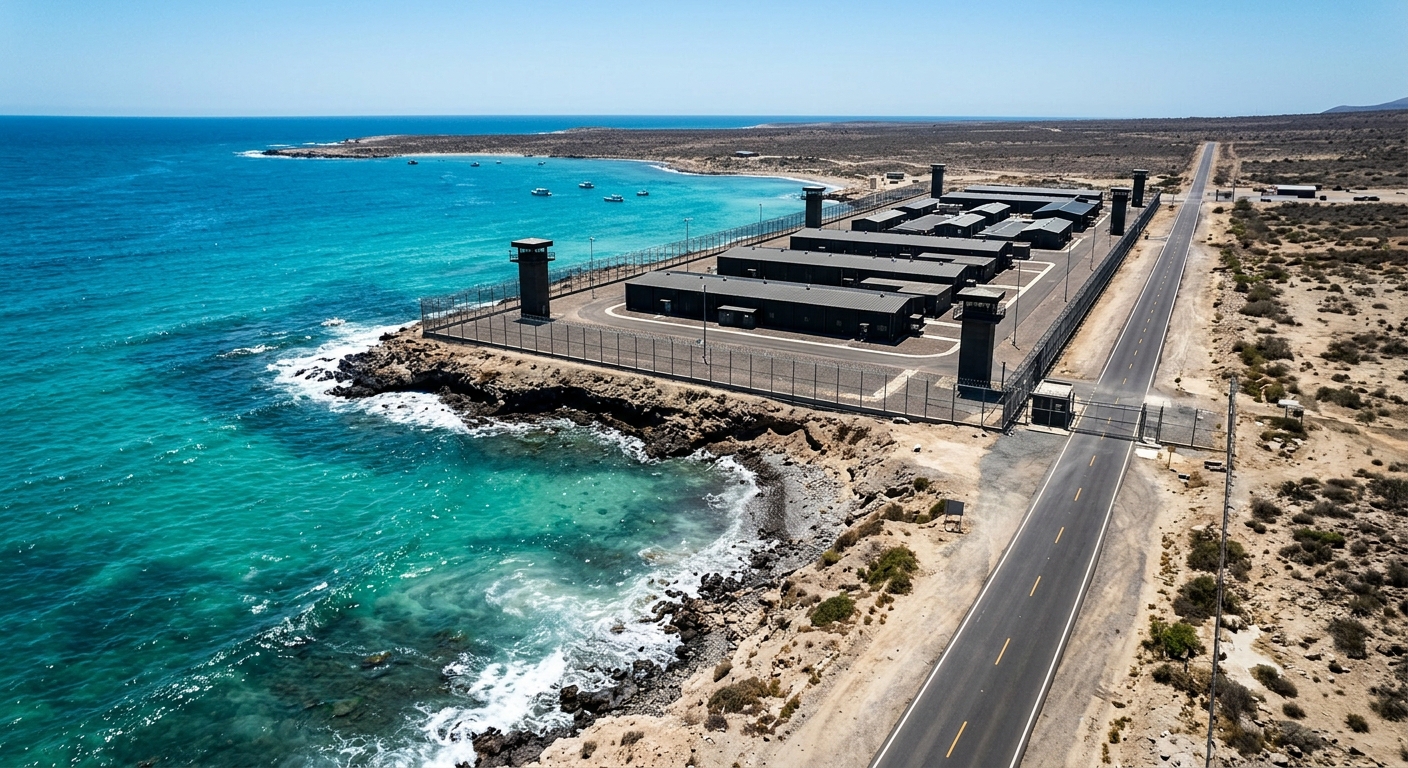
How can the United States run a military base on Cuban soil when the two countries have been political enemies for decades? The weird part is that the “surprising truth” isn’t some secret handshake deal. It’s paperwork. Old, stubborn, early-1900s paperwork that never got properly ripped up, so it just keeps on living its undead contract life.
To understand it, you have to rewind to when Cuba was shaking off Spanish rule and the U.S. was feeling very “helpful” in a way that came with strings. In 1898, the Spanish-American War ends with Spain losing control of Cuba. The U.S. military occupies Cuba for a few years, and Cuba gets formal independence in 1902. But it’s not the clean, movie-style independence where everyone hugs and the credits roll. The U.S. basically says, “Sure, you can be independent. Also, sign this.”
That “this” was the Platt Amendment, a set of conditions the U.S. pushed Cuba to include in its constitution. One of the conditions: Cuba had to agree to lease land to the United States for coaling and naval stations. Coaling, by the way, is the adorable old-timey version of refueling. Before oil-powered fleets became the norm, navies needed reliable coal stops like phones need chargers. Guantánamo Bay, on Cuba’s southeastern coast, was a perfect deep-water harbor for a navy that wanted to project power in the Caribbean.
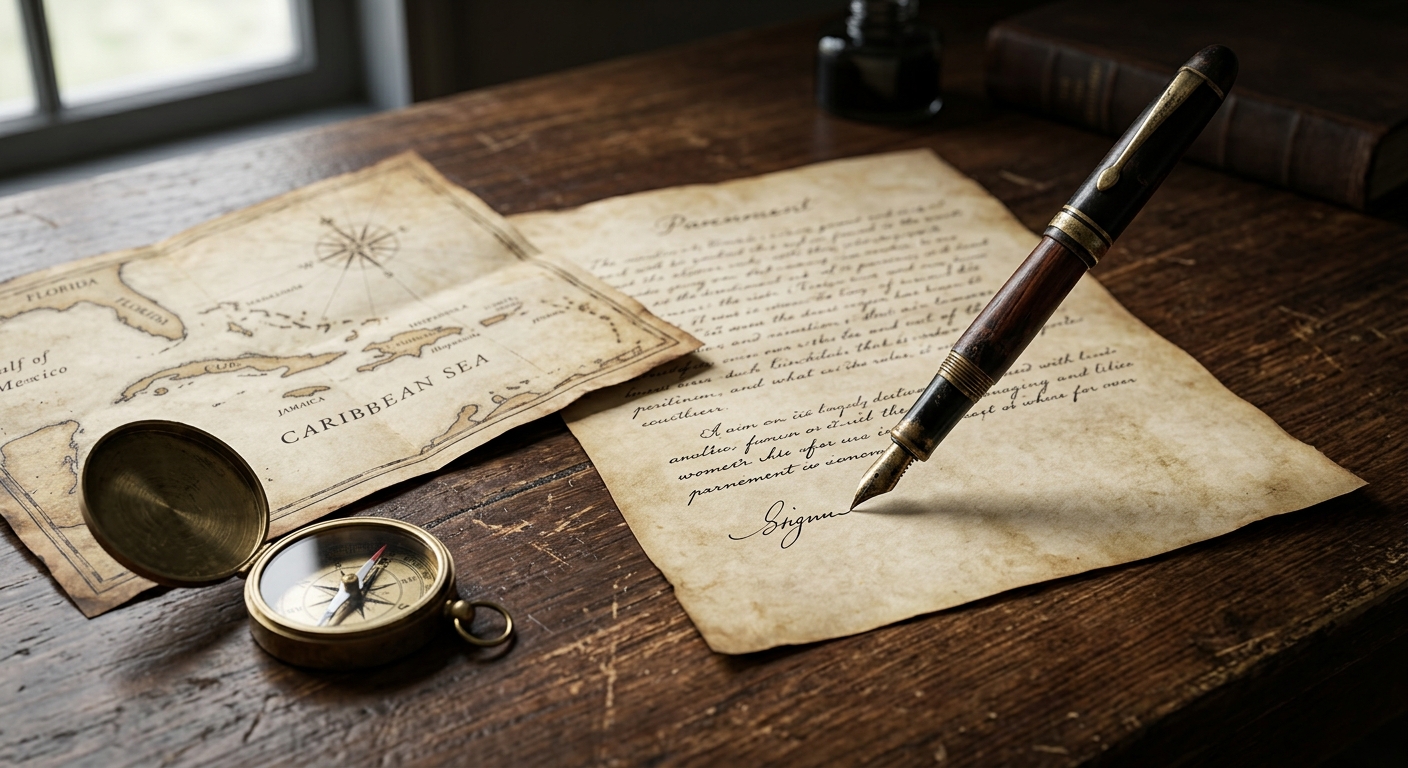
So in 1903, Cuba and the U.S. sign lease agreements giving the U.S. control of Guantánamo Bay as a naval station. The terms were… spicy. The U.S. got “complete jurisdiction and control” over the area, while Cuba retained “ultimate sovereignty.” That’s legal-speak for: Cuba is the owner on paper, but the U.S. is the one with the keys, the locks, and the right to tell you to stop touching the thermostat.
A year later, the arrangement gets reinforced and clarified, and in 1934 a new treaty revisits U.S.-Cuba relations and cancels the Platt Amendment’s broader meddling rights. But Guantánamo stays. The 1934 treaty basically says the base continues unless both countries agree to end it. That “both agree” clause is the trapdoor. Once the Cuban Revolution happens in 1959 and the new government and the U.S. become hostile, “mutual agreement” becomes about as likely as a calm comment section on a viral geopolitical video.
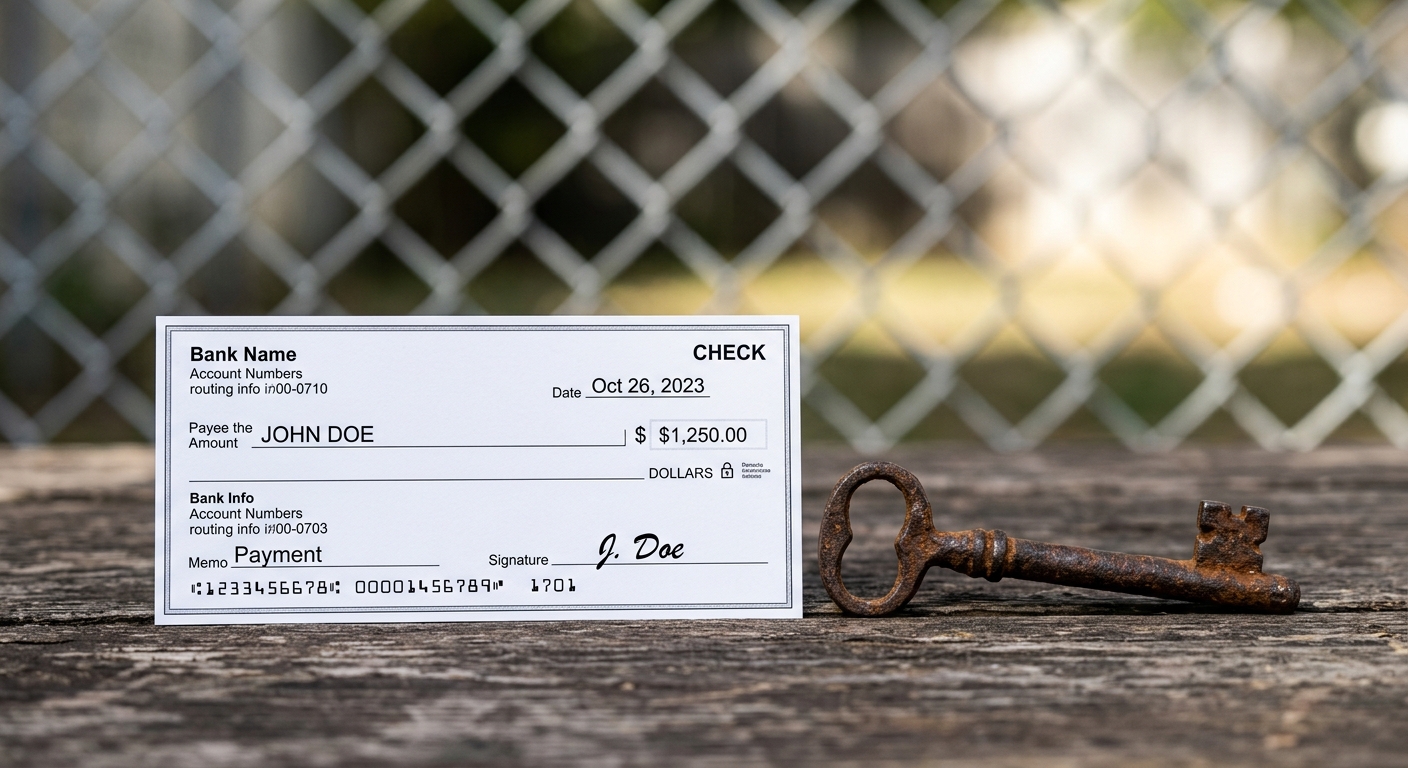
Here’s where it gets oddly mundane: the U.S. still sends Cuba rent checks. The annual rent is around $4,000 in U.S. dollars, a number that sounds like it’s missing a few zeros because it basically is. It was set in 1903, adjusted slightly later, and then inflation sprinted away while the rent stayed behind tying its shoes. Cuba’s government has long argued the lease is illegitimate, signed under coercion, and has refused to cash the checks for decades. One of the checks reportedly got cashed early on by accident, which is the kind of bureaucratic comedy that would be funny if it weren’t about a contested military outpost.
So why doesn’t Cuba just kick the base out? Because it can’t, not without a war it doesn’t want and can’t win. The U.S. controls the perimeter, the access roads within the leased zone, and the water. There’s also the fact that the whole arrangement, however unfair Cuba considers it, is embedded in treaties the U.S. treats as binding. International law gets complicated fast here, but the short version is: treaties signed by recognized governments tend to have long half-lives, and “we hate this now” doesn’t automatically void them, especially when one party has all the leverage.
Why did the U.S. want Guantánamo so badly in the first place? The Caribbean is a strategic crossroads. Control a good harbor there and you can protect shipping lanes, keep an eye on nearby sea traffic, and quickly move forces around the region. It was even more valuable when the Panama Canal opened in 1914. Think of the base as a maritime pit stop near a major global shortcut. For the U.S. Navy, it was convenient. For Cuba, it was a constant reminder that their early independence came with a receipt attached.
There’s also a psychological layer. Countries don’t just fight over land because it’s useful. They fight over land because it symbolizes power. Guantánamo became a nationalist sore spot for the Cuban government: a chunk of territory controlled by a rival superpower, sitting there like a splinter you can’t quite dig out.
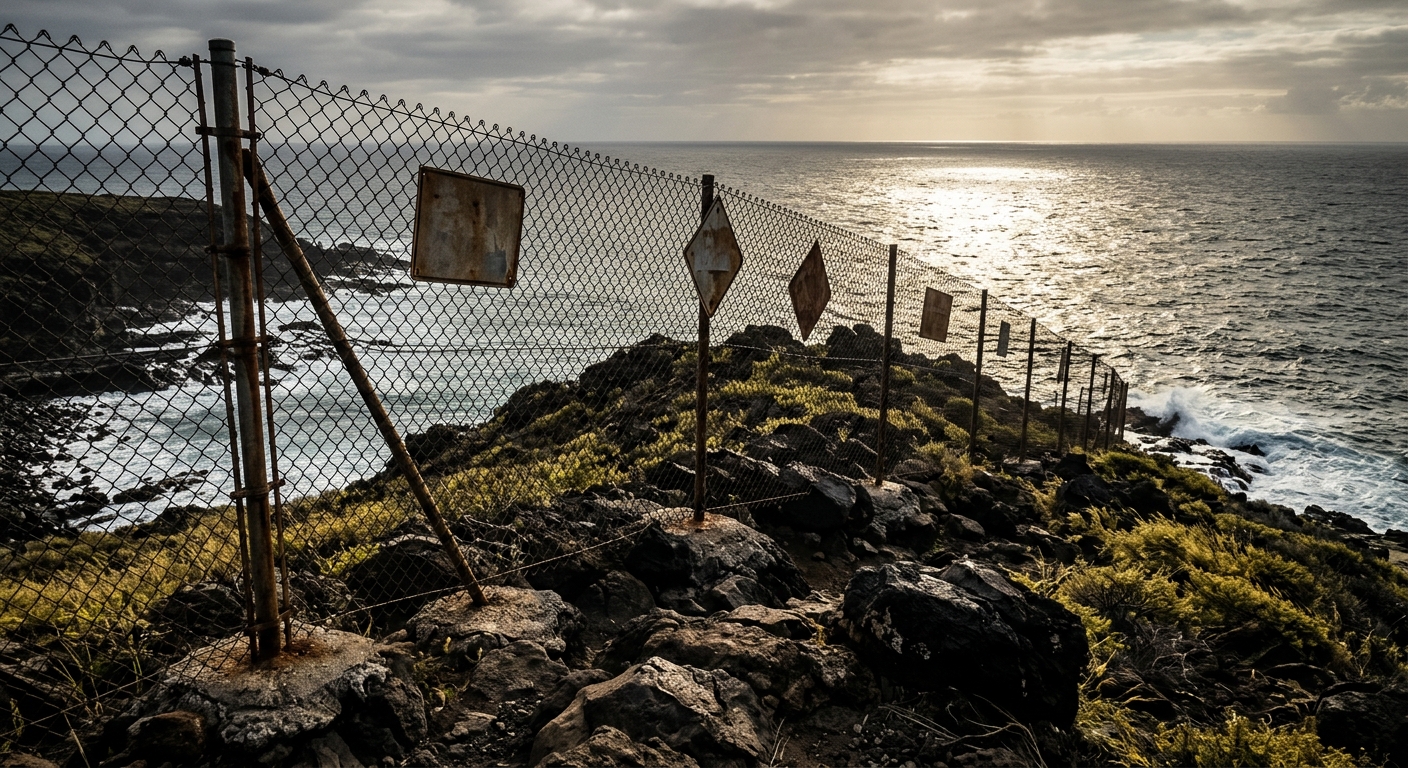
Then, much later, Guantánamo gains a second identity that most people now associate with it: the detention camp. After 9/11, the U.S. began holding terror suspects there. The legal logic was that because the base isn’t sovereign U.S. territory, certain constitutional protections might not apply in the same way. That idea didn’t fully survive court challenges, but the base’s in-between status absolutely shaped how it was used. It wasn’t just a naval station anymore. It became a legal and moral controversy that dragged Guantánamo into everyday conversation in a way coaling stations never do.
The irony is that the base’s strange “Cuba owns it, U.S. controls it” setup is precisely what made it attractive for operations that wanted legal ambiguity. You can almost hear a lawyer somewhere rubbing their temples and whispering, “Technically.”
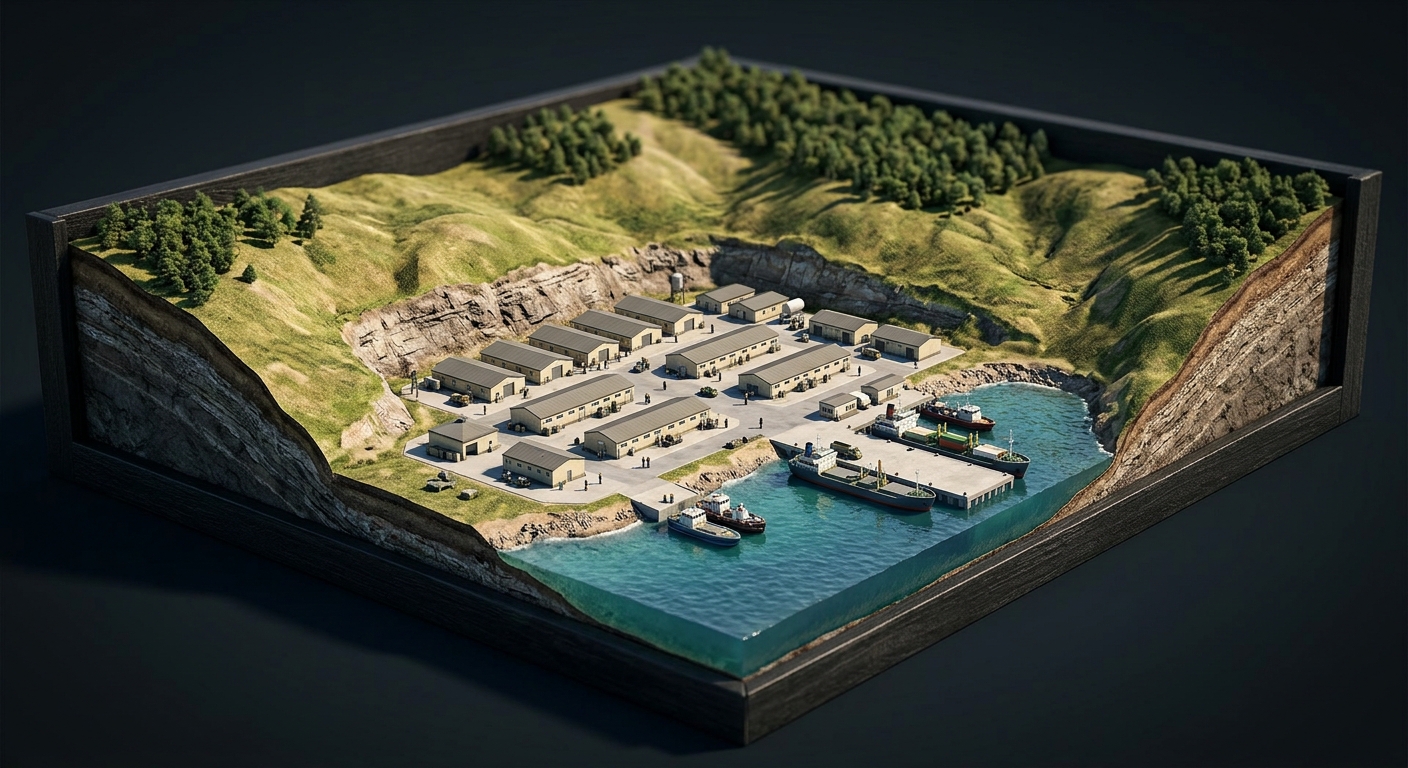
Meanwhile, on the ground, Guantánamo is not just a dot on a map. It’s a small, self-contained community: housing, roads, utilities, personnel rotating in and out. It’s like an isolated company town, except the company is the U.S. government and the neighbors are geopolitical history. And it sits right next to Cuba, a country that has spent more than half a century insisting it shouldn’t be there at all.
So what would it take for the base to go away? In practice, a major political thaw and a negotiated agreement. The 1934 treaty’s “mutual consent” requirement means the U.S. can keep it indefinitely if it wants to, and Cuba can refuse the rent indefinitely if it wants to. It’s a stalemate built into the fine print.
If you’re looking for the “surprising truth,” it’s that Guantánamo isn’t mainly a story about a dramatic modern conspiracy. It’s a story about how empires write durable contracts, how power imbalances get frozen into treaties, and how hard it is to unmake a decision once it becomes infrastructure, bureaucracy, and precedent.
And it’s a reminder that history doesn’t just haunt museums. Sometimes it haunts a coastline, behind a fence, with a lease signed more than a century ago that still, somehow, cashes out in real life.
Loved this story? Pulse it.
Pulses bubble up to the channel — they help us see which stories deserve sequels.
You might also like
Vault
Discover the Clitoris: Fun Facts You Didn't Know
Super El Niño: Unraveling Its Surprising Impact on U.S. Weather
Historical Torture Methods and Devices Explained