
"Ghana's Thrift Revolution: Uncovering the Secondhand Clothing Trend!"
Why is a T shirt you donated in Ohio able to start a second life under the sun in Accra, and why does that feel both awesome and a little weird? Ghana’s secondhand clothing scene, often called “obroni wawu” (roughly, “dead white man’s clothes,” because the flood of garments seemed so endless it was like someone’s entire wardrobe got shipped overseas), is one of those modern systems that sounds simple until you tug one thread and the whole sweater unravels into economics, culture, and a surprisingly global game of hot potato.
Here’s the basic reality: huge volumes of used clothes flow from wealthier countries into Ghana, where they’re sold cheaply and fast. That part is the “thrift revolution” vibe. But the revolution isn’t just people scoring bargains. It’s an entire ecosystem of importers, market traders, tailors, truckers, and shoppers building livelihoods on top of the leftovers of global fashion. It’s also a pressure cooker for local textile makers, and a waste problem when the leftovers of the leftovers finally give up.
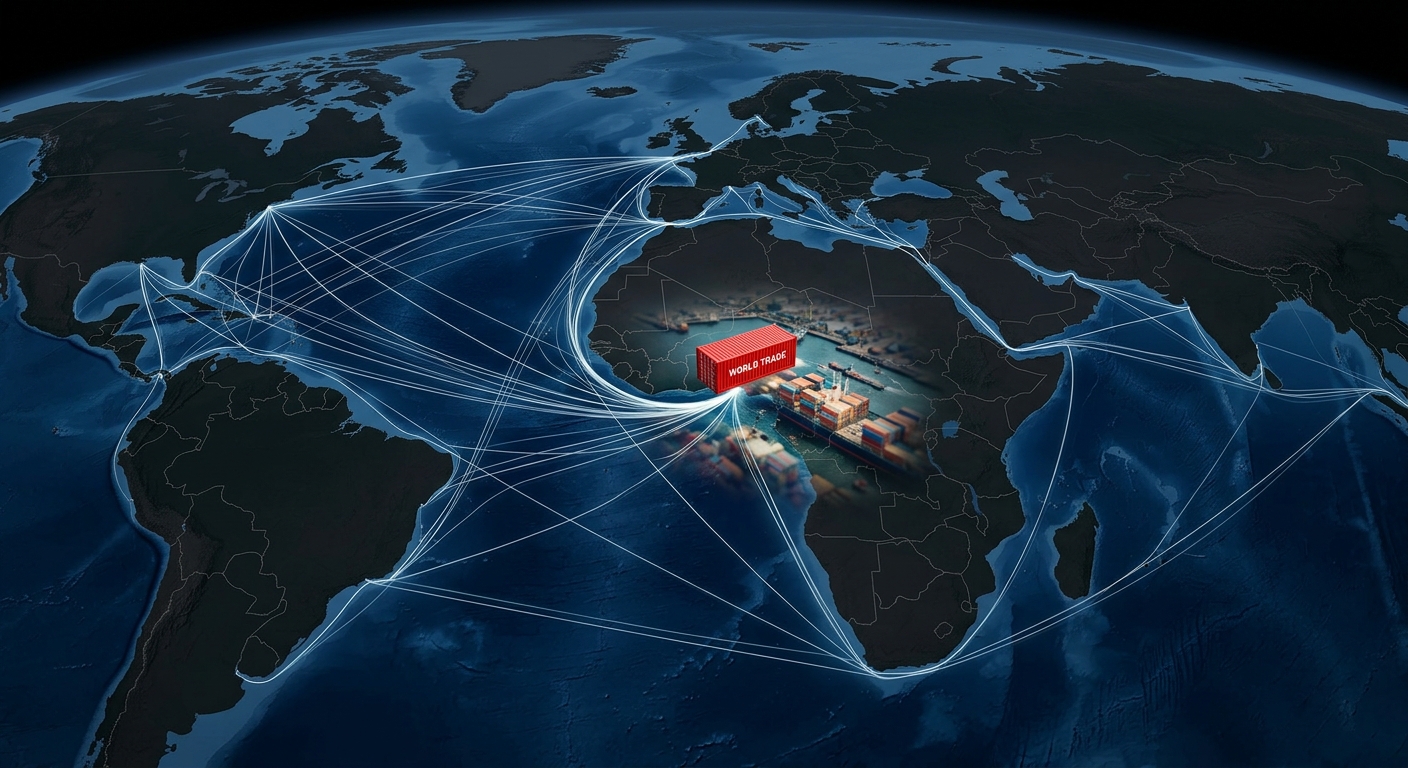
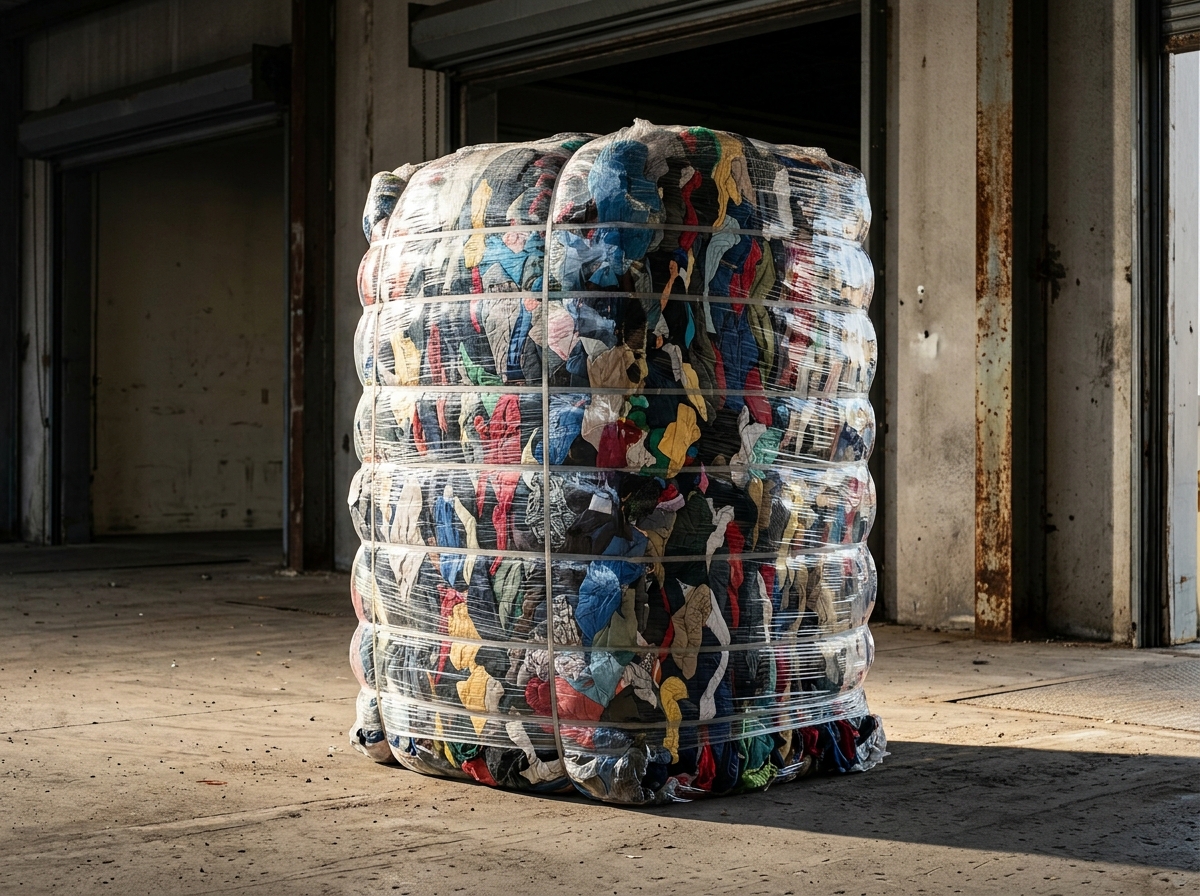
Step one is supply, and supply is basically the byproduct of the way rich countries shop. Clothing is cheap, trends move fast, closets overflow, and donations feel virtuous. The thing most people don’t realize at the donation bin is that only a fraction of donated clothing is resold locally. Thrift stores and charity shops cherry pick the best items. What’s left often gets sold by the pound to textile graders and exporters, compressed into dense bales, and shipped out. By the time a bale lands in Ghana, it’s not “someone’s cute old jacket.” It’s a commodity: mixed apparel, uncertain quality, priced and traded like a weird cotton candy version of scrap metal.
Ghana is a major hub partly because it has big, established markets and distribution networks. Accra’s Kantamanto Market is the name that comes up a lot because it’s enormous and famous for secondhand trade. Think less “quiet thrift boutique” and more “a living, breathing clothes stock exchange,” where fashion, bargaining, and logistics all happen at once. People don’t just shop there. People work there, eat there, haul there, sew there, and build their whole adult lives there.
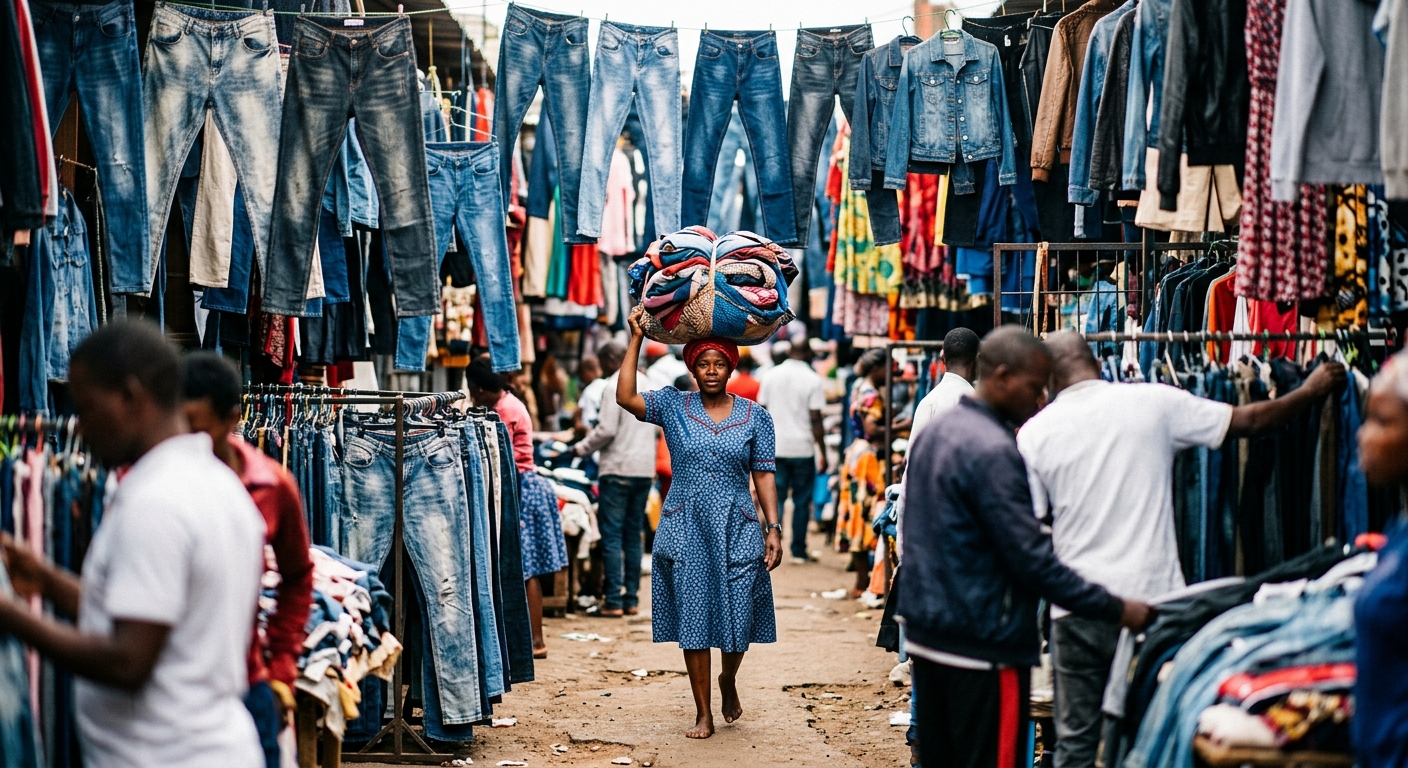
Now for the part that always surprises outsiders: the importers and traders often buy bales without knowing exactly what’s inside. You’ll hear the word “lottery” a lot, and it’s not exaggeration. A trader might pay for a bale labeled “men’s shirts” or “mixed women’s,” but the real money is made or lost on what the bale actually contains. Open it up and maybe it’s full of name brand denim in great shape. Or maybe it’s stretched out tees, fast fashion fabric pills, and stuff that looks tired before you even put it on a hanger. That uncertainty shapes everything. Traders develop instincts about suppliers and bale types. Some specialize. Some diversify. Many operate on tight margins and a lot of hustle, because one bad bale can wipe out weeks of profit.
And yet, when it works, it really works. Secondhand clothing can be affordable in a way new clothing often isn’t, especially when incomes are stretched. It also makes fashion more accessible. You’ll see people in Ghana remixing styles in a way that’s genuinely creative: a vintage blazer with sandals, a sports jersey with tailored trousers, a dress altered to fit perfectly. Secondhand becomes raw material, not just a hand me down. A friend once described thrifting there as “shopping in the world’s biggest shared closet,” which is kind of poetic until you remember the closet owner is “global overconsumption.”
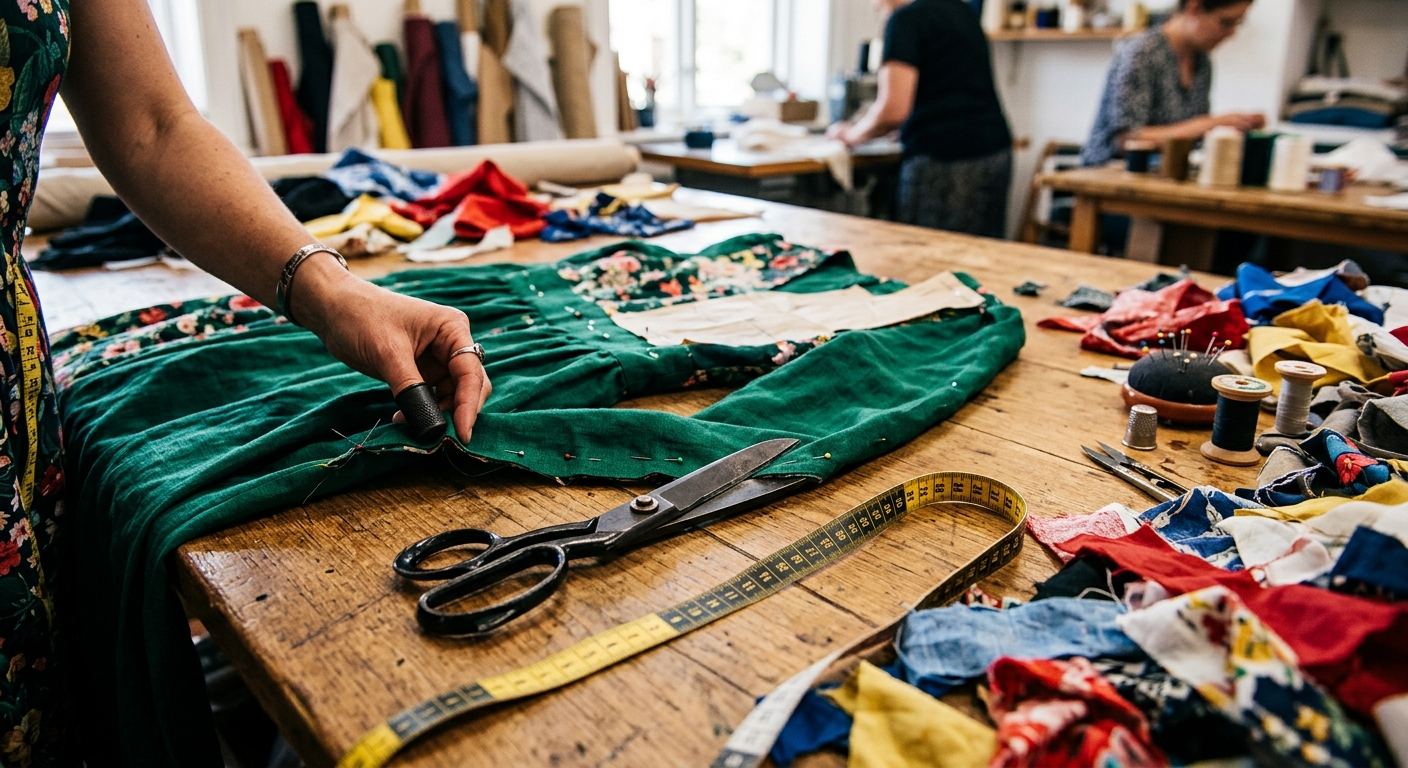
This is where the “revolution” angle has two faces. One is entrepreneurship. You can start small: one bale, one stall, one rented sewing machine, one customer at a time. There are whole micro careers built around this trade. People who can repair zippers all day. People who clean and press. People who style mannequins. People who run social media pages selling curated secondhand finds. It’s a ladder, even if some rungs are shaky.
The other face is what happens to local textile and garment industries. Ghana has a rich history of textiles, including the famous wax print styles many people associate with West Africa. But local garment production has had to compete with imported secondhand that can be cheaper than fabric plus labor. Imagine trying to run a local sandwich shop when someone is giving away yesterday’s sandwiches next door. Even if your sandwiches are better, the price difference does damage. The result isn’t “secondhand killed everything,” because it’s more complicated than that. Policies, trade rules, manufacturing costs, and changing consumer preferences all play roles. But it’s hard to deny that a flood of cheap clothing reshapes what people buy and what businesses can survive.
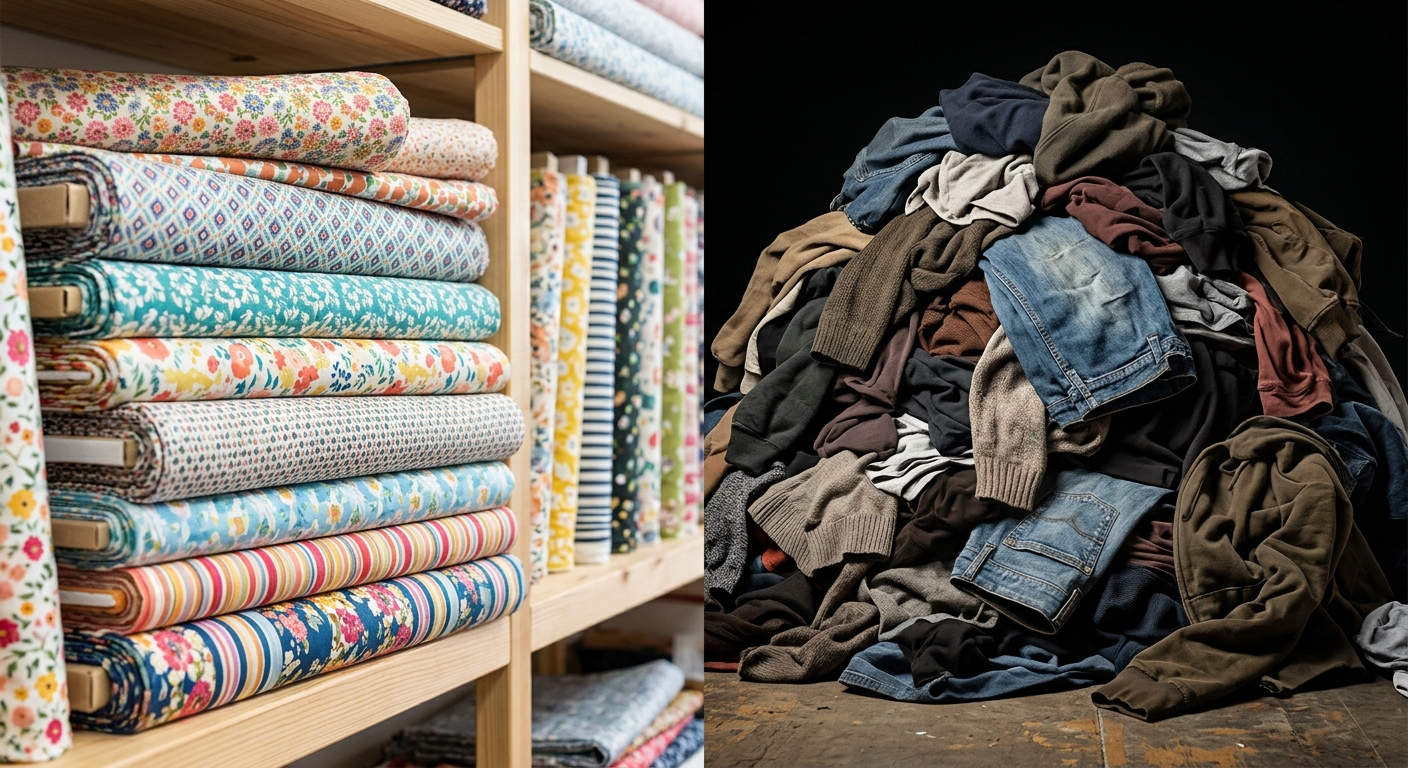
Then there’s the uncomfortable part: waste. People often picture secondhand imports as pure recycling. In reality, it’s a sorting system, and Ghana ends up doing a lot of the world’s sorting work. Clothes that are wearable get sold. Clothes that are damaged might get repaired or repurposed. But a significant portion can’t be sold at all. Maybe it’s stained, ripped beyond repair, or made from fabric that just doesn’t survive a second life. Those items become trash, and trash has to go somewhere. Landfills. Open dumps. Sometimes waterways, especially when drainage is poor and heavy rains move everything around.
It’s not rare to hear market traders complain about quality getting worse over time, because modern fast fashion often isn’t built to last. A shirt that’s fine for ten wears and three washes in a temperate climate is not necessarily fine for a long, humid afterlife plus repeated handling. So the pipeline can become a pipeline of disposal. That’s why you’ll see activists and researchers argue that exporting used clothes isn’t automatically charity. Sometimes it’s shifting the burden of waste management from countries with more resources to countries with fewer.
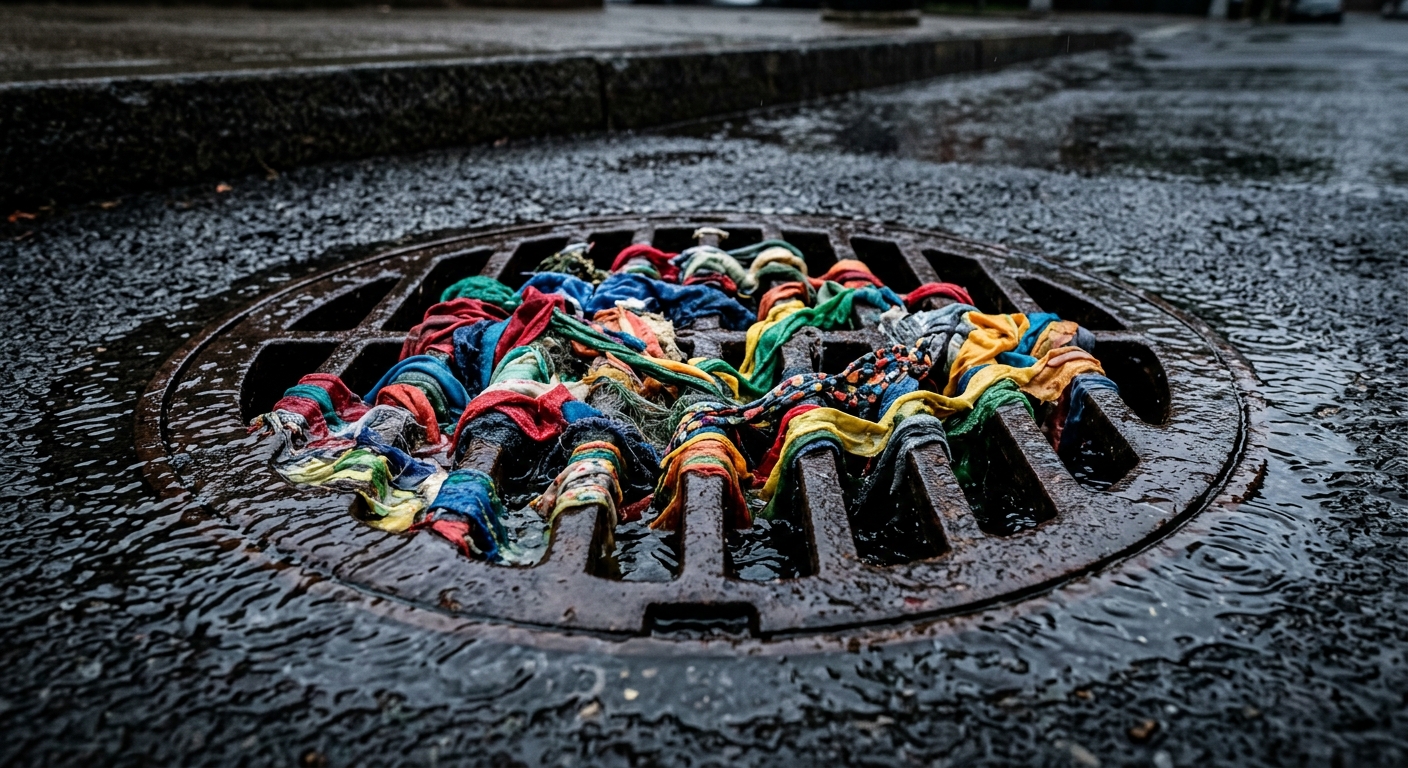
So where does “thrift trend” meet “global system” in a way that’s actually fair? The honest answer is: it depends on what you’re optimizing for. If you care about affordable clothing and jobs in resale markets, secondhand imports can help. If you care about building local manufacturing capacity, you probably want a playing field where locally made goods can compete. If you care about the environment, you want durability, reduced production, and less dumping of unusable garments disguised as donations.
The most interesting solutions I’ve seen people argue for aren’t “ban it all” or “ship it all.” They’re more like: raise quality controls so bales aren’t packed with unsellable junk. Make brands responsible for what happens to garments at end of life, not just at checkout. Invest in local recycling and upcycling industries so unusable textiles become insulation, rags, or new fibers instead of landfill confetti. And, maybe the simplest lever of all, make fewer clothes and wear them longer. Which is boring advice, but boring advice is often how you stop a weird global problem from continuing indefinitely.
What I can’t stop thinking about is how emotionally different the story looks depending on where you stand. From one angle, it’s resourcefulness: turning castoffs into livelihoods and style. From another, it’s a symptom: the Global North shopping too much, then exporting the consequences with a bow on top. Both are true at once, which is exactly why Ghana’s thrift revolution is so fascinating. It’s not just about clothes. It’s about who gets to call something “reuse” and who ends up holding the bag.
Loved this story? Pulse it.
Pulses bubble up to the channel — they help us see which stories deserve sequels.
You might also like
Vault
Discover the Clitoris: Fun Facts You Didn't Know

Super El Niño: Unraveling Its Surprising Impact on U.S. Weather

Historical Torture Methods and Devices Explained