
"Frozen Survival Showdown: Embryos vs. Cells Explained! ❄️🥶"
If you had to freeze something precious for years and bring it back like nothing happened, what would you trust more. A single cell. Or a tiny early embryo that’s already a little ball of cells with a plan. Because in cryobiology, “frozen” doesn’t mean “paused” in the cozy sci fi way. It means “please don’t let ice crystals turn my insides into slush.”
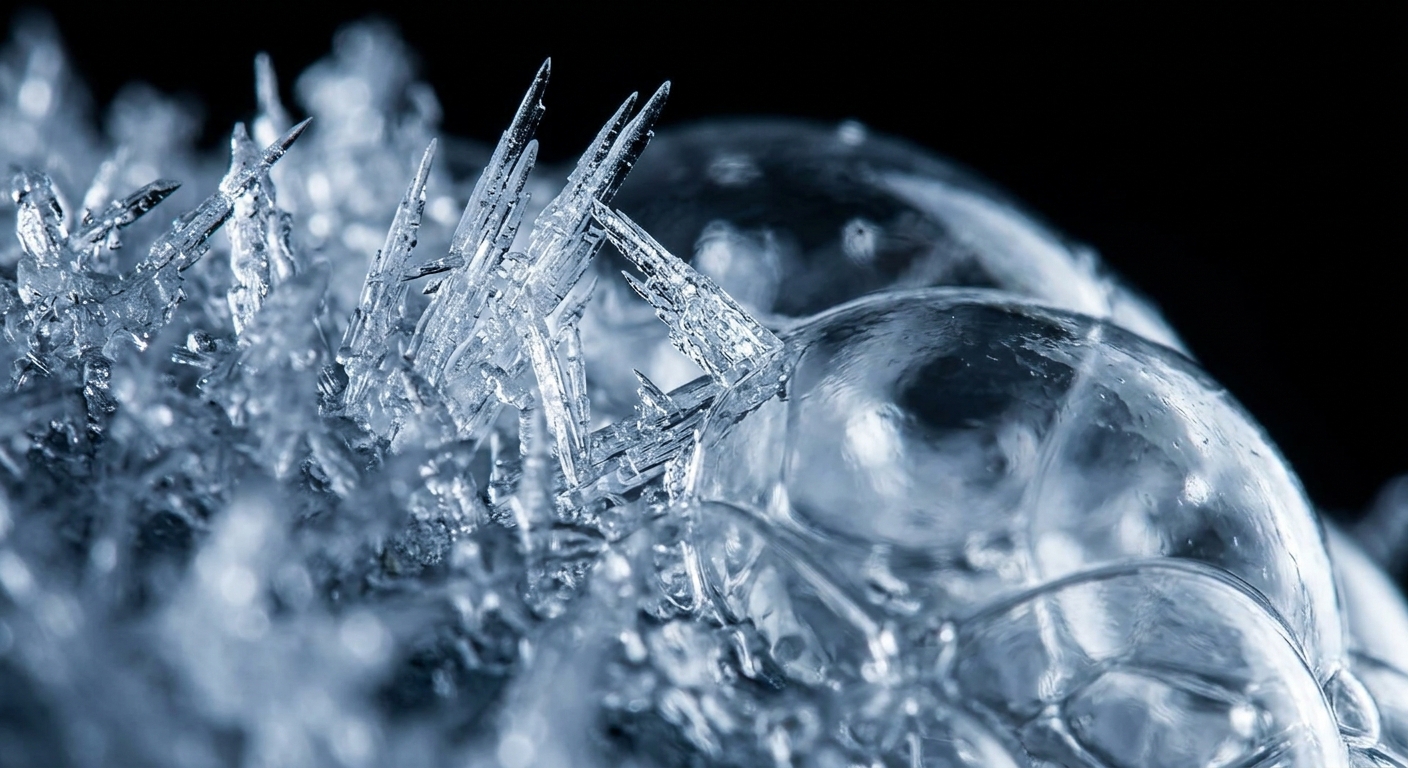
The basic problem is physics being rude. Water expands when it freezes and forms sharp crystals. In living tissue, that’s like growing tiny shards of glass inside the cell membrane. So modern freezing for biology isn’t just tossing stuff into a freezer. It’s about controlling how water behaves, replacing some of it with protective chemicals, and cooling fast enough (or carefully enough) that ice either doesn’t form, or forms somewhere it won’t do much damage.
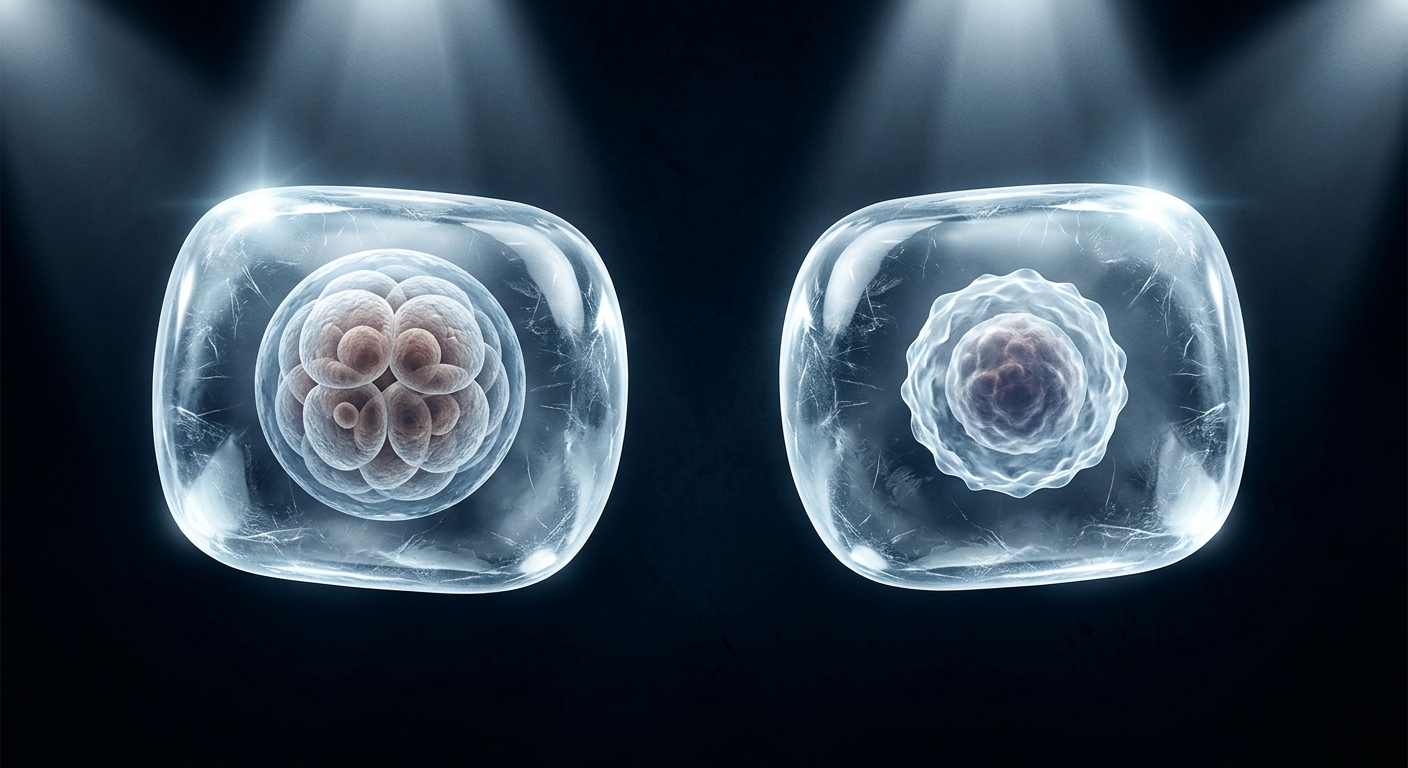
That’s why “embryos vs. cells” is a fun showdown. They’re both alive. They both hate ice. But they fail in different ways, and they have different tricks for surviving the deep freeze.
First, what counts as “a cell” here. In this context it could mean sperm, eggs, blood stem cells, skin cells, or lab-grown cells used for research. A single cell is a tiny water balloon full of salts, proteins, and delicate machinery. When you freeze it, two bad things can happen.
One, ice forms inside the cell. That’s usually lethal. Two, ice forms outside the cell first. That sounds better, but it concentrates the leftover liquid outside into a salty brine. Osmosis then yanks water out of the cell, shrinking it like a grape turning into a raisin. Shrink too much, and membranes crumple and proteins denature. Shrink too little, and you risk internal ice. Cryopreservation is basically threading that needle.
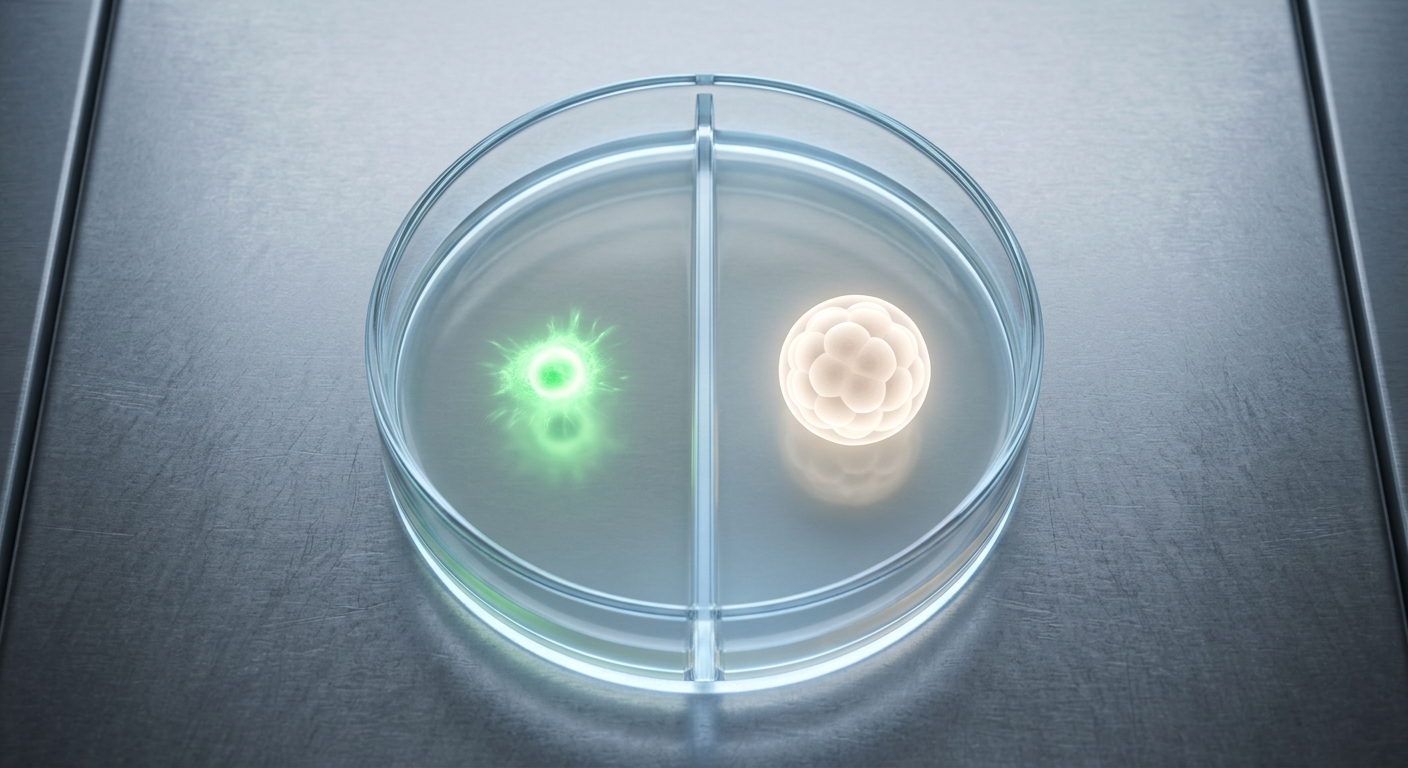
Embryos add a twist. A very early embryo (say, a day 3 embryo with ~8 cells, or a day 5 blastocyst with a few hundred cells) has multiple cells, plus structure. That means more opportunities for something to go wrong, but also more redundancy. If one cell in a multi-cell embryo gets damaged, the embryo might still develop. If your single cell is damaged, well, that was the whole show.
That redundancy is a big reason embryos can be surprisingly robust. Not invincible. Just less “one strike and you’re out.”
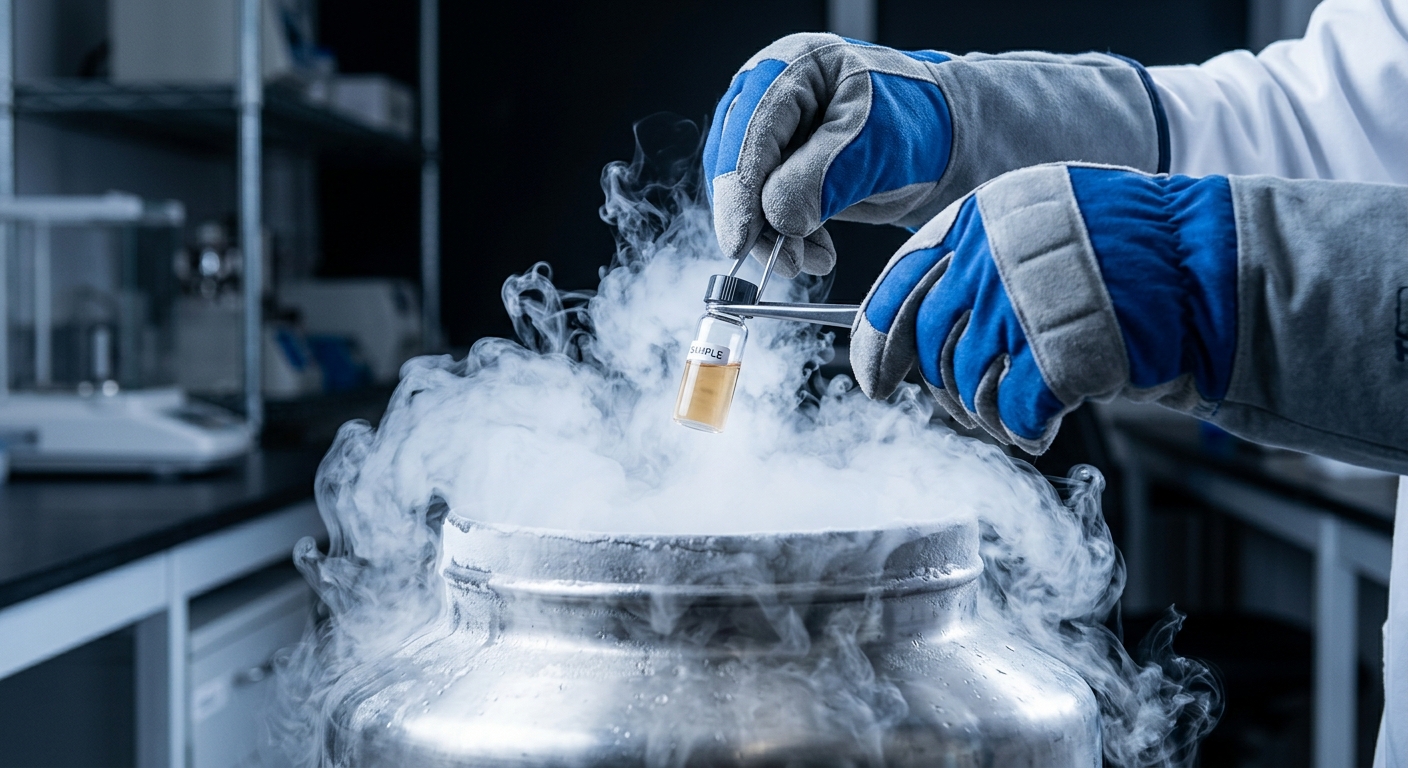
Now, the real secret weapon in modern freezing is something called vitrification. Instead of letting water crystallize, you use high concentrations of cryoprotectants (think DMSO, ethylene glycol, propylene glycol, sugars like trehalose) and cool extremely fast. The water transitions into a glass-like state. Not ice. More like a solidified liquid with no crystals. It’s the difference between freezing a lake into jagged ice versus turning it into clear glass.
Vitrification is why embryo freezing has gotten so good in fertility medicine. Older “slow-freeze” methods worked, but survival rates were lower and outcomes were more variable. Vitrification, when done well, can yield very high post-thaw survival for embryos and eggs. The catch is that cryoprotectants can be toxic if exposure times are wrong. So the process is a choreography: brief dips through increasing concentrations, then a rapid plunge into liquid nitrogen, then a careful warm-up that’s often even more important than the cooling.
That last part surprises people. Thawing is where a lot of damage happens. If warming is too slow, you can get devitrification. That’s the glassy state relaxing and letting crystals form during the warm-up. It’s like your “no ice” victory lap tripping right at the finish line.
So who wins. Embryos or cells. The annoying but true answer is “depends which cells.”
Sperm are champions. They’re small, have little cytoplasm (less water to freeze into crystals), and freezing protocols are old and well-optimized. People have conceived healthy pregnancies from sperm that spent years in storage.
Eggs, on the other hand, are divas. They’re huge cells packed with water and delicate structures, especially the meiotic spindle that organizes chromosomes. Freeze damage can scramble that spindle and increase the risk of chromosomal issues. Vitrification made egg freezing dramatically better, but eggs are still more finicky than embryos in many settings.
Embryos often freeze well because they’ve moved past some of the egg’s fragile architecture and they can tolerate losing a few cells. Blastocysts have a fluid-filled cavity, which sounds like a freezing nightmare, but labs can manage that by collapsing the cavity before vitrification, reducing the water that could form crystals.
For “regular” lab cells, like cultured lines used in research, freezing is routine and pretty reliable. DMSO plus controlled-rate cooling, then storage in liquid nitrogen. But not all cells are equal. Some primary cells (freshly isolated from tissue) are fragile. Some immune cells survive okay, some don’t. Neurons are notoriously hard. Tissues and organs are the final boss because they’re thick, complex, and hard to permeate evenly with cryoprotectants. A single cell can be soaked uniformly. A whole organ has plumbing problems.
Here’s a weird, cool detail. Sometimes freezing makes cells look “fine” at first. They thaw, they’re round, the membrane isn’t obviously ruptured. Then hours later they fail because mitochondria were stressed, or membranes were subtly leaky, or ice damaged the cytoskeleton. Cryobiology has this delayed heartbreak quality. It’s not just “alive or dead,” it’s “alive enough to function.”
That matters because we’re not freezing things for fun. We’re freezing fertility options, cancer patients’ stem cells before chemo, donor immune cells for therapy, and irreplaceable research samples. We’re trying to make biology portable through time. When it works, it’s a small miracle we now treat like a shipping option.
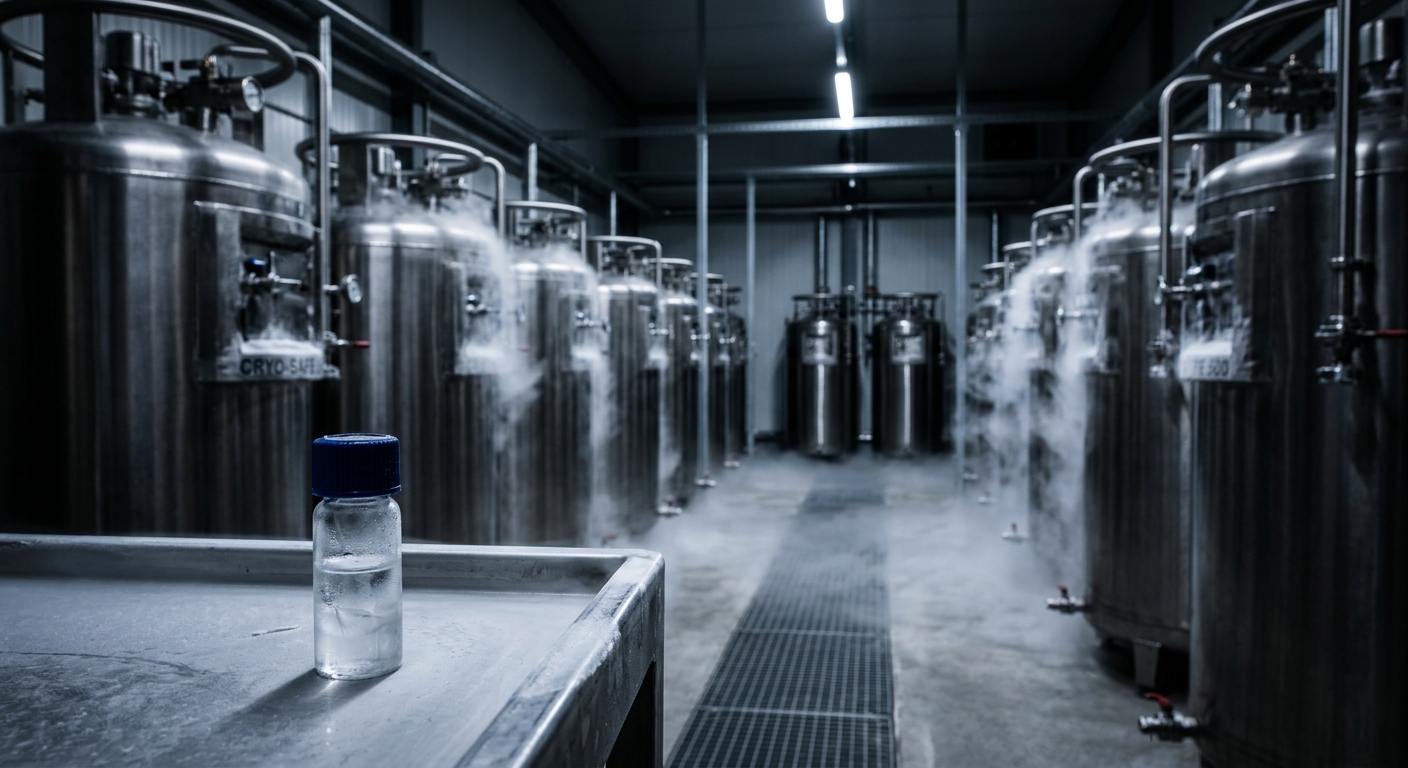
Another piece people don’t think about is the storage itself. Liquid nitrogen is around -196°C. At that temperature, chemical reactions basically crawl to a stop. In theory, properly stored samples could last decades, maybe longer, because there’s no real “aging” happening. The bigger risks are practical: temperature fluctuations during handling, tank failures, mislabeling, contamination, or human error. The enemy is less “time” and more “oops.”
So, embryos vs. cells. If you mean “a single random cell versus an early embryo,” the embryo often has an edge because it can take a hit and keep going. If you mean sperm versus embryos, sperm are absurdly freeze-tough. If you mean eggs versus embryos, embryos usually win on survival consistency. If you mean complex tissues versus embryos, embryos are easier because they’re small and uniform enough for cryoprotectants and heat transfer to behave.
The real “showdown” isn’t about which is braver in the cold. It’s about geometry and water. Small things freeze more evenly. Simple things equilibrate faster. Multi-cell things can sometimes sacrifice a few parts and still succeed. And every extra millimeter of thickness makes it harder to avoid the ice crystal apocalypse.
The funniest part is that we’re still basically hacking water. All this fancy lab gear, all this medical importance, and the core strategy is: persuade H2O to behave differently than it wants to. If you ever feel like your job is pointless, remember there are people whose entire career is convincing water not to be itself.
And it’s working, just unevenly. The next big leap isn’t “freeze an embryo.” We can do that. It’s “freeze an organ on Monday and transplant it on Friday.” When that becomes routine, the waiting list for transplants changes, emergency logistics change, maybe even how surgery gets scheduled. The cold doesn’t just preserve life. It rearranges what’s possible.
Loved this story? Pulse it.
Pulses bubble up to the channel — they help us see which stories deserve sequels.
You might also like
Vault
Discover the Clitoris: Fun Facts You Didn't Know
Super El Niño: Unraveling Its Surprising Impact on U.S. Weather

Historical Torture Methods and Devices Explained