
History’s First Treaty: Egypt & Hittites Unite
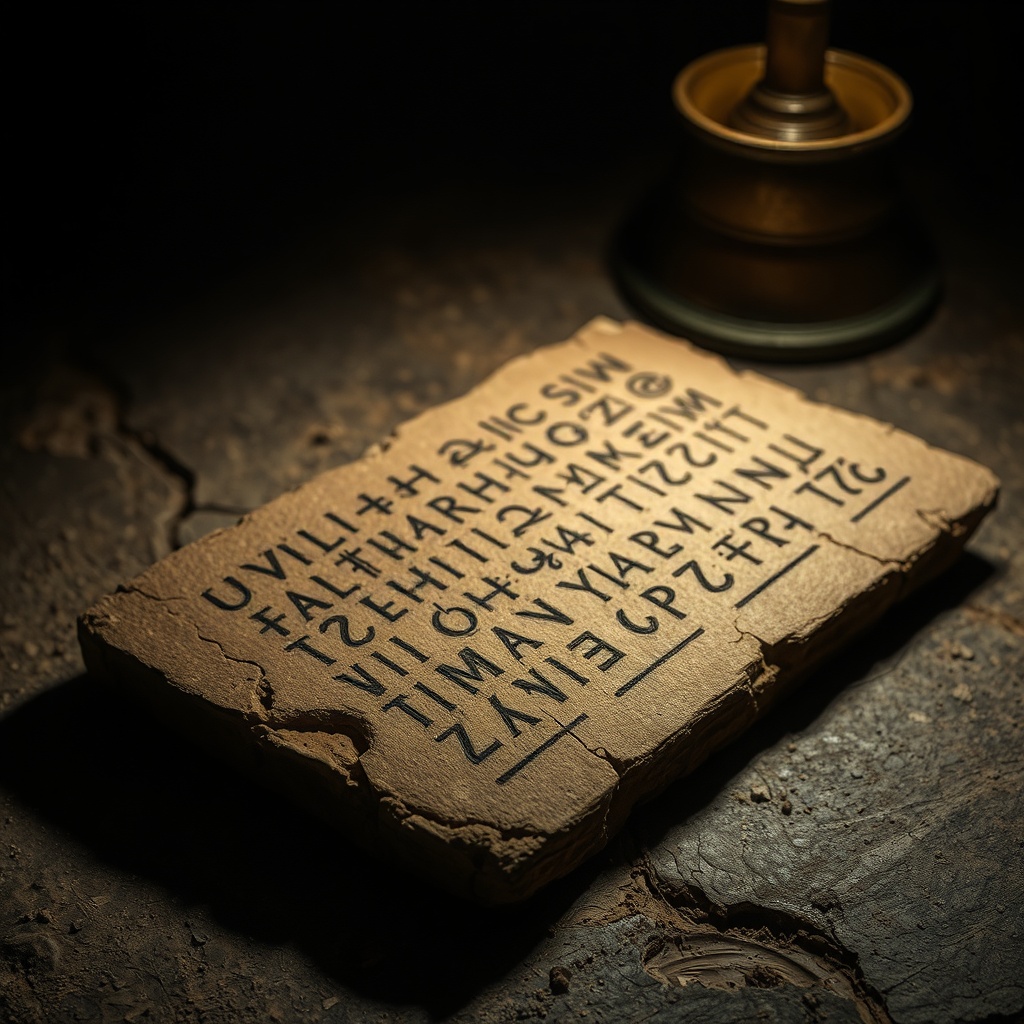
Somewhere between a battlefield and a writing desk, history learned a new trick: it put peace in writing. Not as a poem. Not as a prayer. As a contract. The Treaty of Kadesh, struck between Egypt and the Hittite Empire in the thirteenth century BCE, is the earliest known surviving peace treaty whose terms we can still read, and it feels oddly familiar. Two great powers. A brutal, expensive war. A hard swallow of pride. Then ink. Or rather, carved words in stone and clay.
The story starts with geography and ego, as these stories usually do. Egypt’s New Kingdom looked north toward the Levant, that narrow corridor of cities and trade routes between Africa and Asia. The Hittites, based in Anatolia with a capital at Hattusa, looked south. Between them sat places like Amurru and the city of Kadesh near the Orontes River, valuable not because they were pretty, but because they controlled movement. Caravans, armies, taxes, influence. If you could hold Kadesh and the surrounding region, you could make your neighbor feel your hand on their throat without ever touching them.

By the time the famous clash happened, the rivalry had already simmered for years. Egypt under Seti I had campaigned in the north. The Hittites under kings like Suppiluliuma I had expanded aggressively earlier, pulling Syrian states into their orbit. The board was set long before the dice rolled. Then came Ramesses II, young and determined to be remembered, and on the Hittite side, Muwatalli II, who had every reason to stop Egypt from pushing back into contested territory.
The Battle of Kadesh, traditionally dated to around 1274 BCE, is one of those events we know in unusual detail not because a neutral observer took notes, but because Ramesses II wanted everyone to know he’d been heroic. Egyptian sources describe a dramatic moment. The pharaoh advances with part of his army, is surprised by a Hittite force, and finds himself in real danger. Ramesses, in the Egyptian telling, becomes a one-man storm, rallying troops and turning disaster into something that sounds an awful lot like victory.
Here’s the tricky part. The Egyptian texts are loud. Hittite accounts are quieter, preserved in different ways, and they don’t read like the same movie. Most modern historians treat Kadesh as, at best, a tactical stalemate. Ramesses didn’t capture Kadesh and hold it. The Hittites didn’t annihilate the Egyptian army. Everyone bled. Everyone spent money. Everyone went home still annoyed.
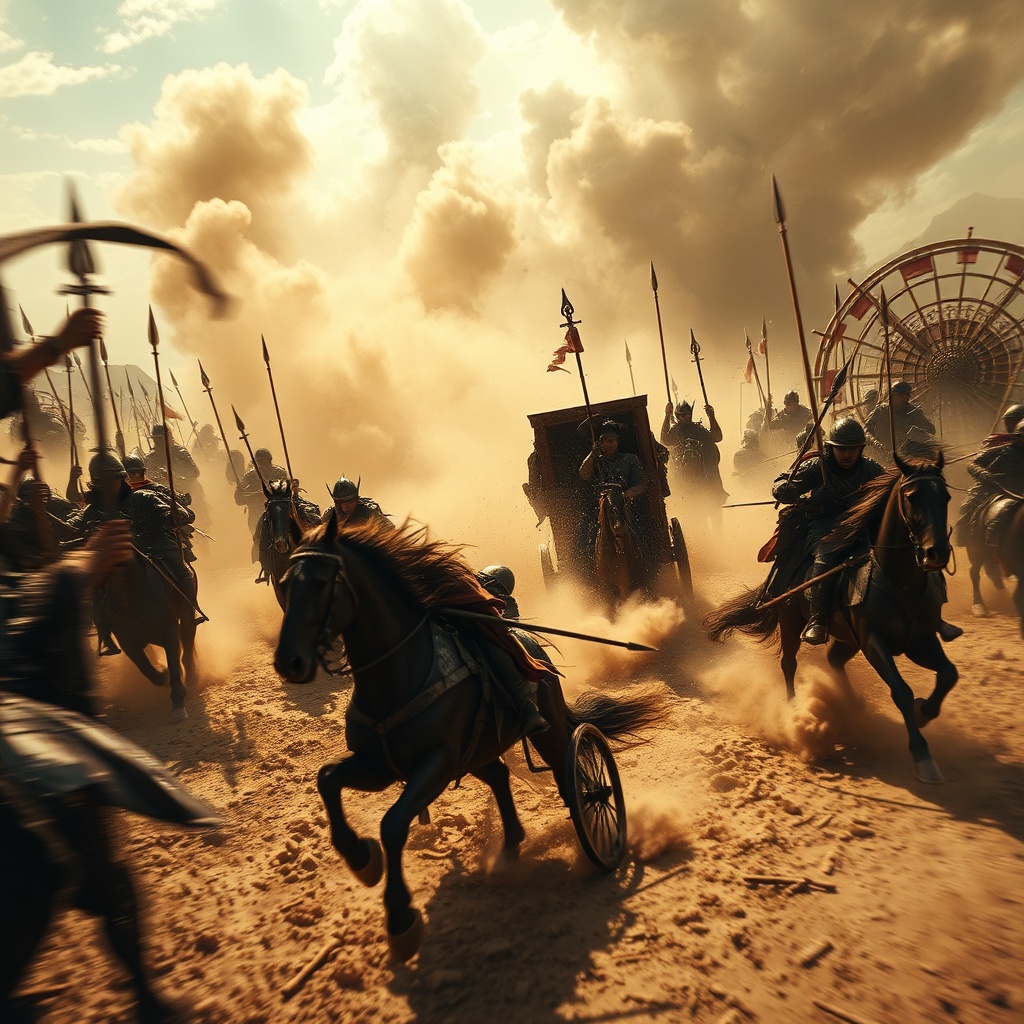
And yet, the war didn’t end at Kadesh. It dragged on in campaigns and counter-campaigns, tugging at vassal states, testing supply lines, and exhausting patience. That’s one of the most human parts of this whole saga. Empires are dramatic from a distance, but up close they run on grain shipments, tired soldiers, and administrators counting out rations. Eventually, the math starts to matter more than the bragging.
By the time a treaty finally arrived, the Hittite throne had changed hands. Muwatalli II was gone. His successor, after internal struggles, was Hattusili III, who had to stabilize his rule and secure borders. Egypt had Ramesses II still very much in power, still building monuments and composing his own legend in stone, but also facing realities elsewhere. There were other pressures in the eastern Mediterranean world. New players, shifting alliances, and the persistent problem that you can’t have every war and still pay for the temples.
So diplomacy stepped in, not as a burst of idealism, but as a practical tool. Around 1259 BCE, give or take a few years depending on scholarly reconstruction, Egypt and the Hittites concluded what we call the Treaty of Kadesh, also known as the Egyptian Hittite peace treaty. What survives is remarkable: versions in both Akkadian cuneiform on clay tablets from Hattusa, and an Egyptian version carved on temple walls, notably at Karnak. It’s one of those rare moments where the ancient world leaves us matching paperwork from both sides, like finding both copies of a lease agreement and realizing the landlord and tenant each told the story their own way.

The treaty’s terms read like a crash course in international relations. First, a promise of peace and “brotherhood.” The language is familial, but the intention is strategic: no more raids, no more hostile advances. Second, mutual defense. If an outside enemy attacks one kingdom, the other will help. This isn’t sentimental. It’s deterrence, the ancient version of telling a bully, “If you hit him, you deal with me too.”
Third, and this part always catches my attention, the treaty deals with fugitives. Extradition. If important people flee from one land to the other, they’re to be returned. And there’s a clause that they should not be harmed upon return, at least in the idealized language of the agreement. Whether every returned fugitive enjoyed a calm retirement is, frankly, unknowable. But the fact that the clause exists tells you what both states feared: internal instability, rivals slipping across borders, political trouble turning into international trouble.
The treaty also invokes the gods as witnesses, an entire supernatural enforcement mechanism. In the Bronze Age, you didn’t just sign in front of lawyers. You signed in front of heaven, with a long list of divine names ready to curse anyone who broke the deal. It’s both solemn and, in a way, relatable. I’ve seen people add extra exclamation points to an email to sound serious. Ancient kings added deities.

What happened after? Not perfect harmony. But a real, sustained peace between two heavyweights, which is almost more impressive than a decisive victory. The agreement helped stabilize the region for a time and allowed both powers to focus on other concerns. And it wasn’t just words. Diplomacy became personal. Ramesses II later married a Hittite princess, part of a broader pattern of royal marriages used to cement alliances. The sources preserve the idea of gifts, correspondence, formal courtesies. It’s the kind of polite surface that usually means the knives have been put back in the drawer, at least for now.
It matters that the treaty survives in multiple forms. The Hittite version, in Akkadian, reflects the diplomatic language of the time, because Akkadian functioned as an international lingua franca. The Egyptian version, carved in stone, carries its own flavor. They’re not identical in emphasis. That’s not a scandal. That’s politics. Each side framed the agreement in a way that suited its image, like two press releases describing the same meeting. The differences themselves are evidence of how states craft narratives.

Calling it “history’s first treaty” needs a small, careful footnote. It’s the earliest known surviving peace treaty text between major powers that we can read in detail today. There were certainly agreements before it. Humans didn’t invent negotiation in 1259 BCE. But survival is its own kind of achievement. Clay tablets buried in ruins, stone inscriptions weathering centuries, and enough scholarly work to piece together what the words meant, that’s why we’re talking about it now.
The deeper legacy is that the treaty shows the ancient world behaving in a way we sometimes pretend is modern. States recognized borders, acknowledged mutual interests, worried about refugees and rebels, and built alliances against third-party threats. War didn’t end because someone became enlightened. It ended because both sides saw more advantage in stability than in another season of chariots and funerals.
That’s why people still bring up the Treaty of Kadesh. It’s proof that even at the height of imperial pride, leaders could accept a compromise and formalize it, not just as a pause between fights, but as a structured relationship with obligations, witnesses, and enforcement. The medium is ancient. The mindset is uncomfortably familiar. And maybe that’s the point. Peace, when it lasts, is rarely a miracle. It’s paperwork, backed by power, signed by people who are tired of paying for war.
Loved this story? Pulse it.
Pulses bubble up to the channel — they help us see which stories deserve sequels.