
Unlocking the Mystery: The Luteal Phase's Secret Evolutionary Edg
The luteal phase is the weird little “afterparty” of the menstrual cycle. Ovulation happens, the egg has its big moment, and then the body basically says, “Okay. If that worked, we need to build a nursery. If it didn’t, we need to reset the whole house.” That two-week-ish stretch between ovulation and your next period is the luteal phase. And what’s fascinating is that it’s not just a countdown to bleeding. It’s an entire evolutionary strategy that quietly shaped how humans reproduce, how we feel, and even how our species budgets energy.
In simple terms: after ovulation, the empty follicle in the ovary turns into a temporary hormone factory called the corpus luteum. It pumps out progesterone (and some estrogen) like it’s on a deadline. Progesterone thickens and stabilizes the uterine lining, calms down uterine contractions, tweaks immune responses, and nudges the body into “potential pregnancy mode.” If an embryo implants, it sends signals to keep that factory running. If not, the corpus luteum shuts down, hormones drop, and the lining sheds. Very dramatic. Very scheduled.
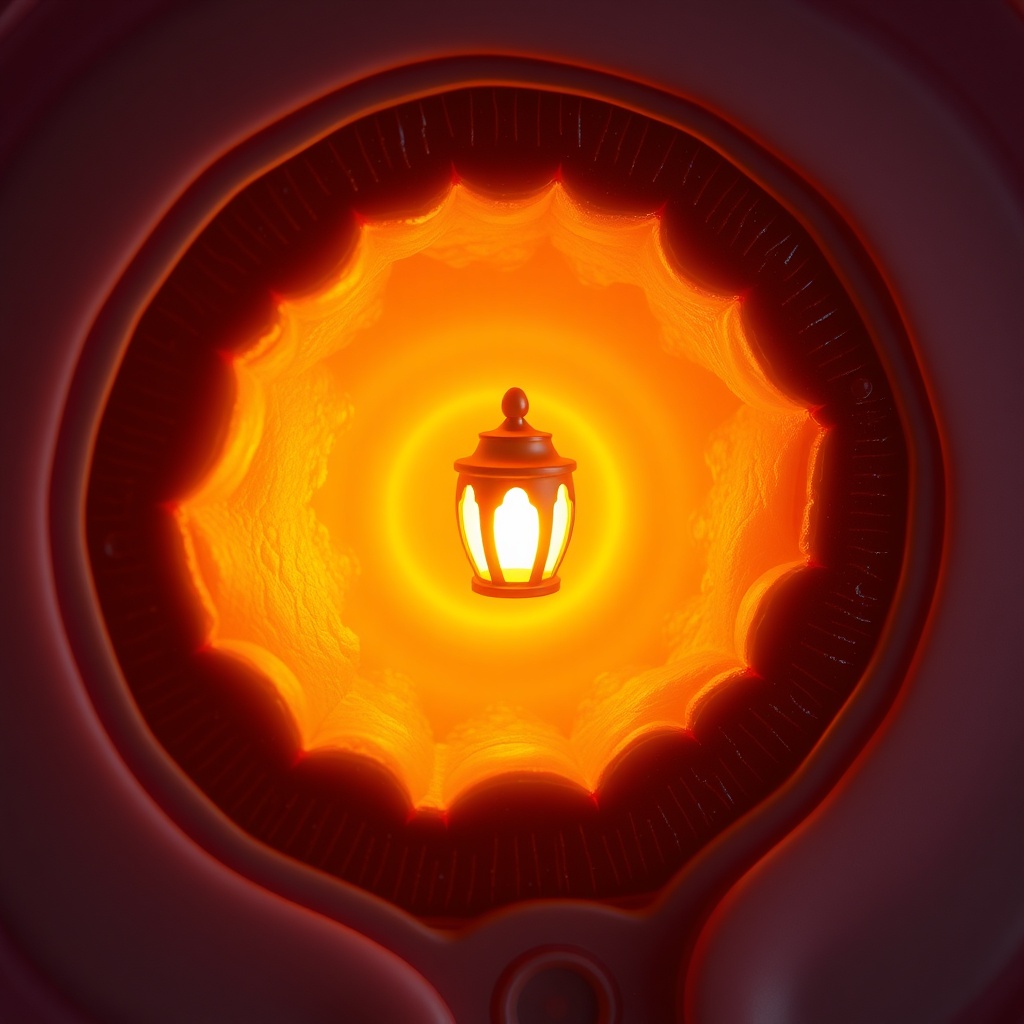
So what’s the “secret evolutionary edge” here? It’s that the luteal phase is basically a high-stakes wager with tight quality control. Pregnancy is expensive. Not “buy a stroller” expensive. Biologically expensive. Growing a placenta, building extra blood supply, changing metabolism, tolerating a genetically half-foreign embryo, it’s one of the most energy-intensive projects the body can take on. The luteal phase is like a short-term construction permit. The body prepares the site, but it doesn’t fully commit until it gets proof that the project actually started.
That’s why progesterone is so central. It turns the uterine lining from “freshly redecorated” into “ready to host.” It also shifts immune activity so the body is less likely to treat an implanting embryo like an invader. Which sounds sweet, until you remember that this is the same immune system that normally takes its job very personally. The fact that mammals evolved a timed window of immune tolerance is wild. It’s basically diplomacy, on a schedule.
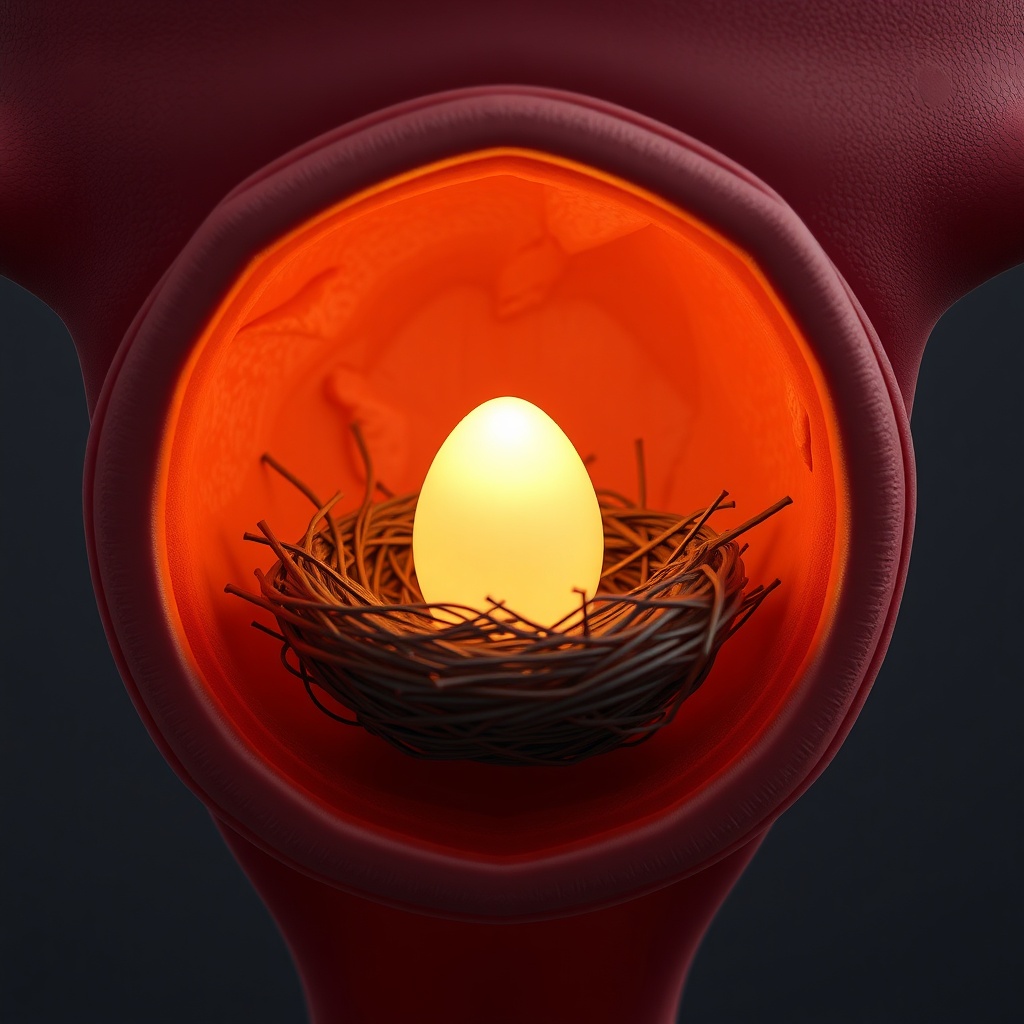
But the really sneaky evolutionary part is how the luteal phase helps screen for viability. A lot of fertilized eggs never become pregnancies. Some have chromosomal issues. Some don’t implant well. Some start implanting but can’t keep going. The luteal phase sets up a narrow window where implantation has to happen and has to send the right chemical signals quickly. If that conversation fails, hormone support drops and the body resets. It’s not “cruel.” It’s efficient. Evolution loves efficiency, especially when the alternative is months of investment into a pregnancy that can’t succeed.
This is also why early pregnancy is so chemically loud. Once implantation happens, the embryo (via early placental tissue) starts producing hCG, the hormone pregnancy tests detect. hCG’s first job is basically to shout, “Don’t shut down the progesterone factory!” It rescues the corpus luteum so progesterone stays high until the placenta can take over hormone production later. When people talk about “the two-week wait” after ovulation, it’s not just impatience. It’s literally a hormone relay race happening out of sight.

Now let’s talk about the part everyone notices: feelings. The luteal phase has a reputation because it can come with mood changes, irritability, anxiety spikes, cravings, sleep weirdness, and that general sense of “my brain is running a different operating system.” That’s not imaginary, and it’s not just social stereotypes. Progesterone and its metabolites interact with GABA receptors in the brain (the same system many calming medications touch). For some people, that shift feels soothing or sleepy. For others, it feels like emotional static. Then, right before a period, progesterone drops sharply. If your brain is sensitive to hormone withdrawal, that drop can feel like a mini crash.
From an evolutionary point of view, there are a couple of plausible “edges” here, and none are as simple as “PMS evolved so you’ll be mean to people.” (Although, honestly, some days it feels personal.) One idea is that luteal-phase behavior changes could have nudged people toward conserving energy and reducing risk. If your body is quietly preparing for pregnancy, it may benefit you to be less inclined toward intense physical stress, more inclined to rest, and more attentive to your environment. Another idea is social. Heightened sensitivity could have made it easier to notice threats, conflicts, or unreliable support at a time when support would matter more. Not a perfect theory, but it fits the general theme: the luteal phase is about protecting a potential pregnancy before it even exists.

Also, the luteal phase doesn’t exist in isolation. It’s part of an energy budgeting system that interacts with food availability, stress, sleep, and illness. The menstrual cycle is famously sensitive to stress because ovulation is optional in a survival sense. If resources are scarce, the body can delay ovulation. But once ovulation happens, the luteal phase is comparatively “committed.” It’s the follow-through. That’s one reason luteal phase defects (when progesterone is too low or the phase is too short) can be linked with difficulty conceiving. The body either didn’t get a strong enough “build the nursery” signal, or it couldn’t sustain the build long enough for implantation to stick.
And here’s a surprising comparative angle: humans and a few other species (like some primates) have a relatively pronounced luteal phase and menstruation. Many mammals reabsorb their uterine lining if pregnancy doesn’t happen. Humans build up a thick, blood-rich lining and then shed it. One hypothesis is that our lining became especially “choosy” because human embryos are especially invasive. The placenta in humans digs in deep. Having a lining that’s prepared, but also able to rapidly reject low-quality implantation attempts, could be protective. Menstruation might be the cost of having a highly responsive, highly selective uterine environment.
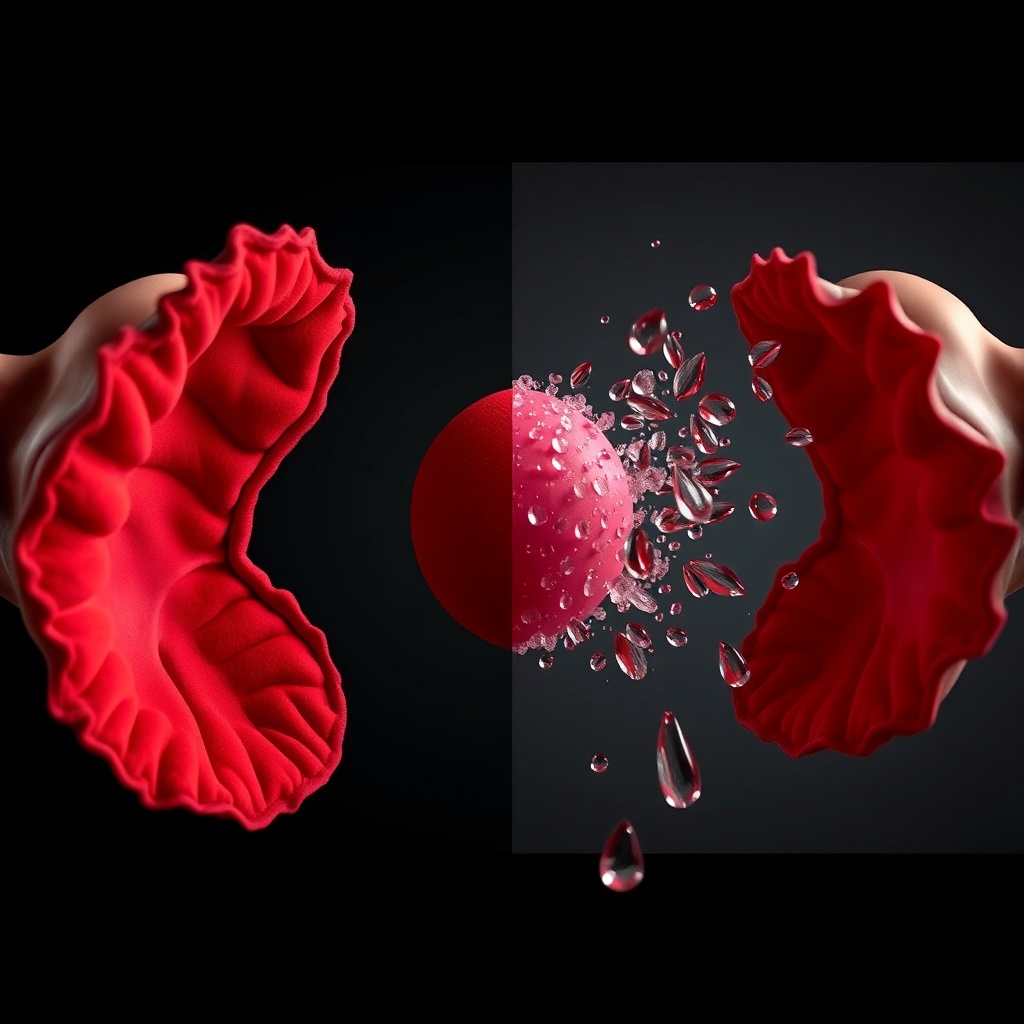
If you’ve ever tracked your cycle and noticed your body temperature creeping up after ovulation, that’s luteal phase physiology too. Progesterone slightly raises basal body temperature. It’s so reliable that fertility awareness methods use it as confirmation that ovulation already happened. From a design standpoint, it’s kind of funny. Your body flips into pregnancy-prep mode and leaves a tiny thermal receipt.
One more underrated evolutionary advantage: timing. The luteal phase is relatively consistent in length for many people compared to the follicular phase (the pre-ovulation part), which can vary a lot. That consistency may be useful because it creates a stable window for implantation and early development. In other words, the body can be flexible about when it ovulates, but once it does, it runs a fairly standardized program. Standardization is how biology avoids bugs. When the stakes are “make a human,” you want fewer experimental features.
The luteal phase isn’t a “mystery switch” so much as a carefully engineered gamble: prepare just enough, screen aggressively, and commit only when you get the right signal. It can feel inconvenient in daily life, sure. But from an evolutionary perspective, it’s a tight, elegant compromise between ambition and caution.
And if you’ve ever felt like your luteal phase turns you into a different person for a week or two, you’re not broken. You’re experiencing a system that evolved to manage one of the biggest biological risks there is: investing in a pregnancy. The secret edge isn’t that it makes you miserable. It’s that it makes reproduction possible, scalable, and surprisingly selective.
Loved this story? Pulse it.
Pulses bubble up to the channel — they help us see which stories deserve sequels.
You might also like
Vault
Discover the Clitoris: Fun Facts You Didn't Know
Super El Niño: Unraveling Its Surprising Impact on U.S. Weather
Historical Torture Methods and Devices Explained