19th Century Botanical Espionage Unveiled
They called it “Jesuit’s bark” long before anyone could say quinine without stumbling, and for a while it was one of those rare substances that felt like a cheat code against death. In the 1800s, when malaria still decided where empires could build and where armies could march, a strip of reddish-brown bark from an Andean tree became valuable enough to steal, lie for, and occasionally die for.
Cinchona trees grow on the slopes of the Andes, especially in what are now Peru, Ecuador, Colombia, and Bolivia. The bark contains alkaloids, most famously quinine, that can treat malaria. Europeans learned of the remedy in the 17th century, though the exact path from Indigenous use to European medicine is a tangle of stories, missionaries, and colonial power. What’s solid is the outcome. By the 19th century, quinine wasn’t a curiosity. It was a strategic necessity. If you wanted to hold territory in the tropics, you needed the bark, and you needed it in bulk.
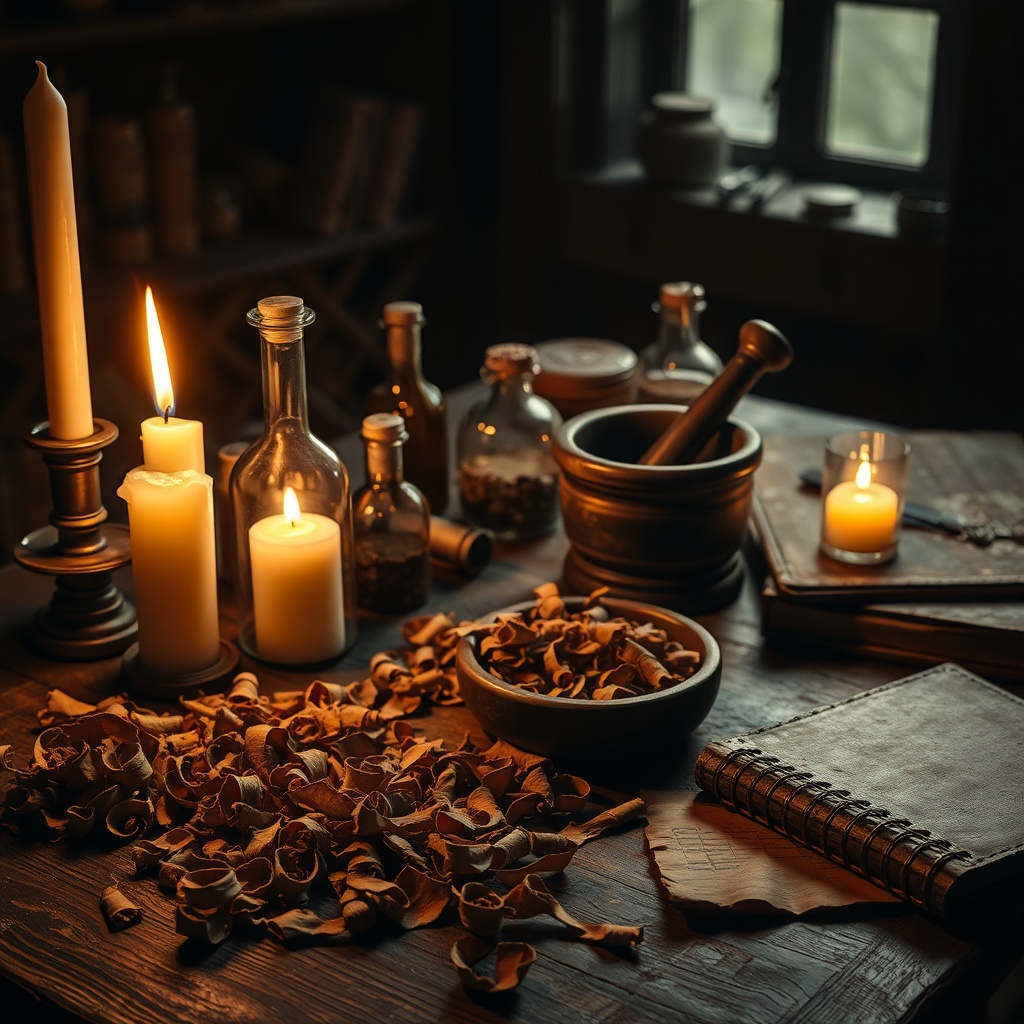
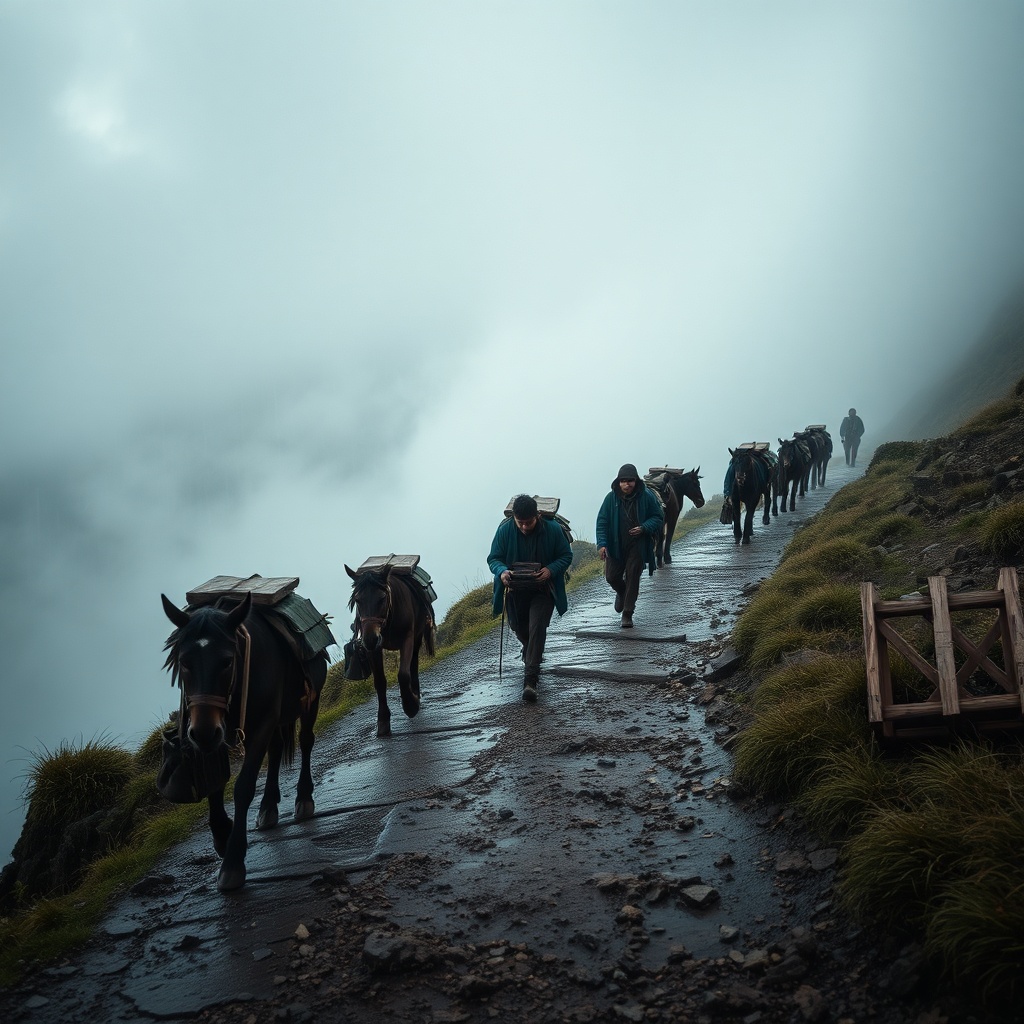
For decades, South America was the source. Bark gatherers, often Indigenous or local laborers working under brutal conditions, stripped cinchona in the cloud forests and sent it by mule and river toward coastal ports. The trade got messy fast. Different species and even different trees produced different amounts of quinine. Middlemen adulterated shipments. Prices swung. Overharvesting threatened the supply. It’s the kind of market where everyone starts whispering the same thought: why don’t we grow it ourselves?
That’s where the “botanical espionage” comes in. The great European powers, especially Britain and the Netherlands, wanted to break reliance on Andean bark by cultivating cinchona in their own colonies, places like British India and Dutch Java. But cinchona wasn’t wheat. It didn’t come with a friendly instruction manual. Seeds were hard to obtain at the right time and could lose viability quickly. Transport across oceans was slow. And the Andean republics were not thrilled about foreigners carting off the botanical basis of a lucrative export.
There were also legal and moral gray zones. Some places had regulations about exporting seeds or plants, but enforcement in remote mountain regions was uneven, and smugglers have always loved uneven enforcement. If you’ve ever tried to enforce a rule in a foggy forest hours from the nearest courthouse, you’ll understand why the 19th century version of “security” often came down to a stern letter and a shrug.
Britain’s most famous cinchona mission is tied to Clements Markham, a young civil servant and explorer who later became president of the Royal Geographical Society. In 1859 and 1860, he helped organize expeditions into Peru and Bolivia to collect cinchona seeds and young plants for transport to India. Markham’s accounts present the work as scientific and urgent, framed by the language of saving lives. He wasn’t wrong about the stakes. Malaria hammered soldiers, administrators, and local populations alike, and quinine was one of the few reliable weapons medicine had. But urgency doesn’t erase the fact that this was also an imperial supply grab. Two things can be true in the same muddy bootprint.
Markham and others gathered seeds and seedlings, packed them carefully, and rushed them toward ports. The invention that made this era of plant-moving possible was the Wardian case, a sealed glass container that acted like a miniature greenhouse, protecting living plants from salt air and shipboard neglect. Even with that, survival rates were uncertain. Some shipments failed. Some succeeded just enough to keep the project alive. When they worked, the payoff was enormous.
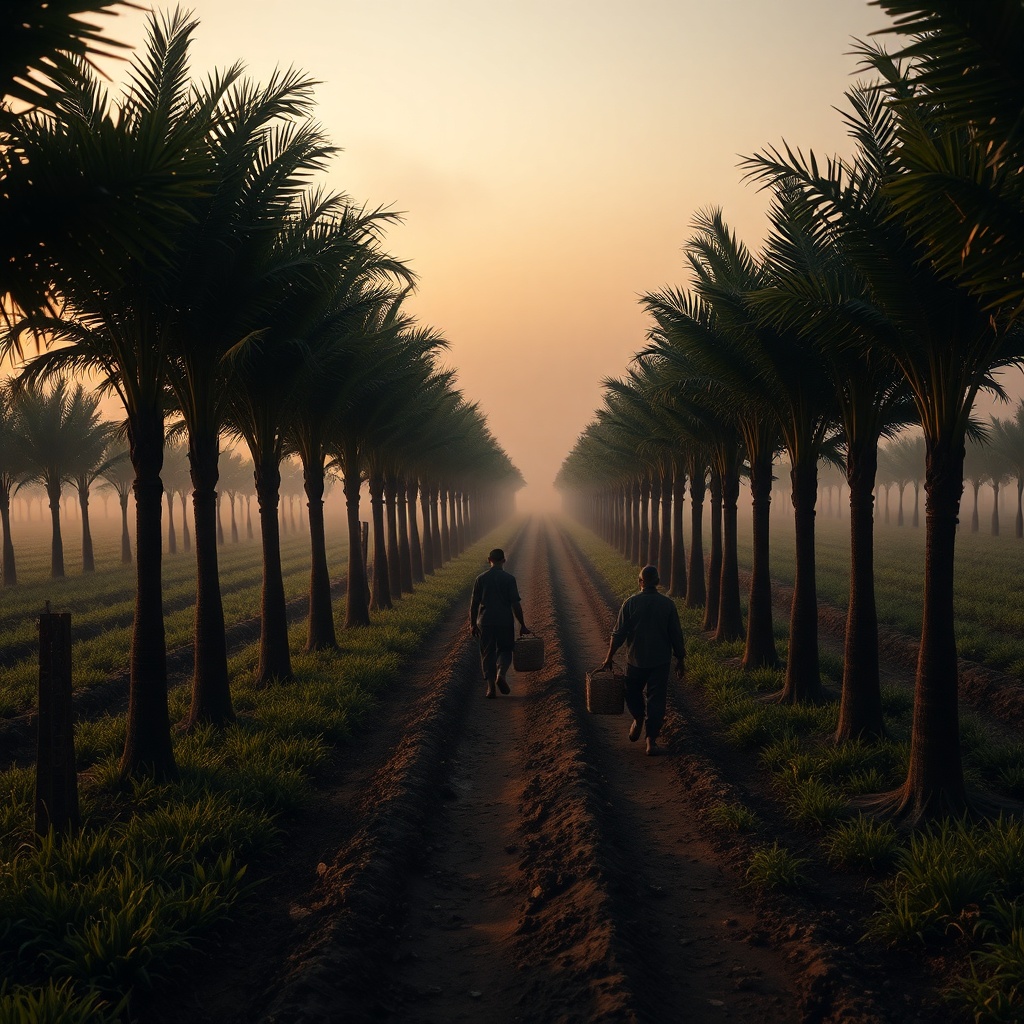
The Dutch ran an even more consequential cinchona program. Through collecting expeditions and aggressive experimentation, they developed cinchona cultivation in Java that eventually dominated global quinine production. One crucial twist was species selection. Not all cinchona bark is created equal, and high-quinine varieties became the holy grail. There’s a long, technical story here involving botanists, planters, and chemistry, but the practical result is simple. By the late 19th century, Java’s plantations were producing vast quantities of cinchona bark, shifting the center of gravity away from the Andes.
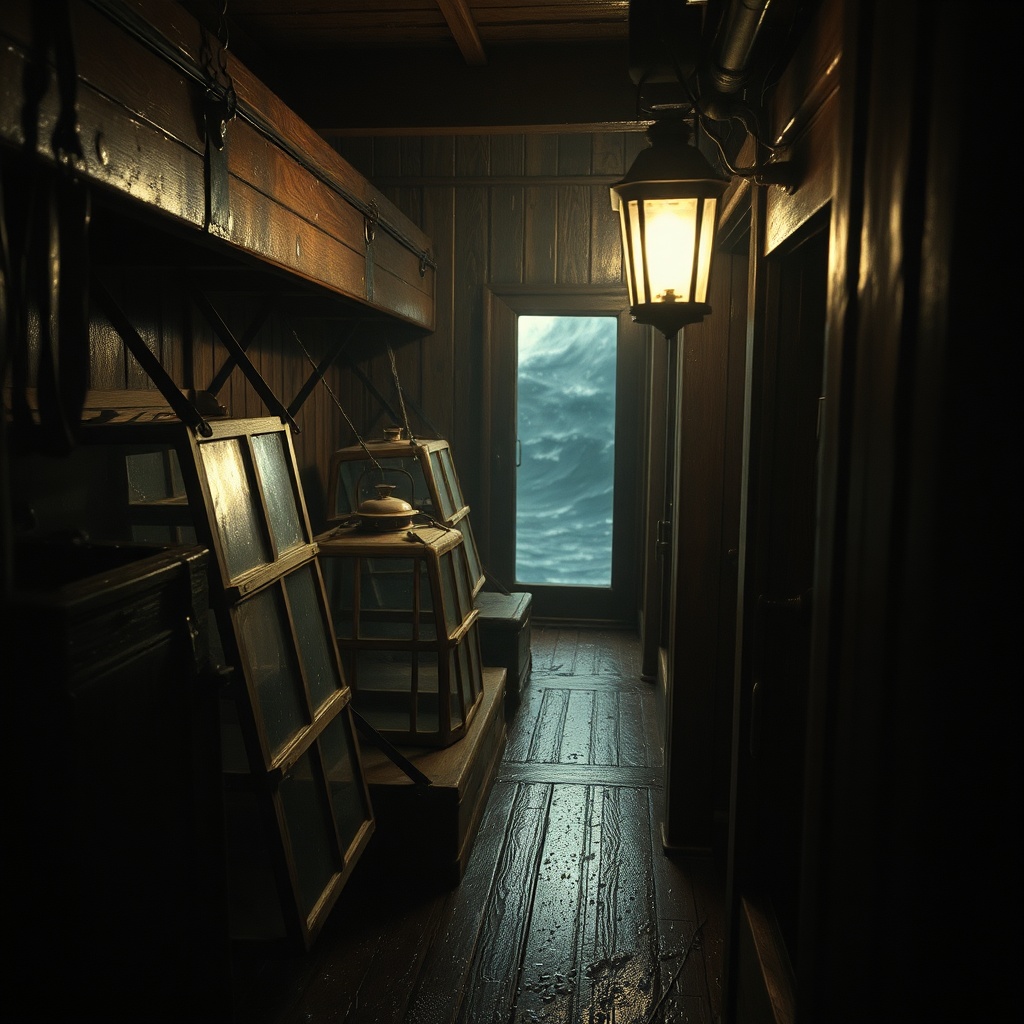
I sometimes think about the moment a box of living seedlings was carried onto a ship. It’s such a small, quiet act for something that could reshape public health. No cannon fire. No treaty signing. Just a few delicate plants, a nervous handler, and the long odds of an ocean crossing. If you’ve ever tried to keep a houseplant alive through a weekend trip, you can appreciate the ambition. Now add storms, rats, and 19th century ventilation.
Once cinchona took root in India, Ceylon, and especially Java, the consequences rippled outward. Quinine became more available and, crucially, more predictable in supply. That mattered for everyday people living with malaria, but it also greased the wheels of empire. European soldiers and officials could survive in regions that previously wrecked them with fever. The phrase “the white man’s grave” was never only about climate. It was about parasites, mosquitoes, and the fragile human body meeting tropical ecology. Quinine didn’t make colonialism moral, but it made it logistically easier.
Back in South America, the shift was disastrous for some local economies tied to bark export. Overharvesting had already stressed wild cinchona populations. As plantation-grown bark flooded the market, the Andean trade lost power. There’s an irony there that tastes a little bitter. The forests that had been stripped to feed global demand were left depleted, and the profits increasingly flowed elsewhere.
It’s also worth saying the espionage narrative can blur into myth. Some stories are well documented, like Markham’s involvement and the Dutch development of Java’s plantations. Other tales, especially the ones that sound like a thriller, get fuzzy at the edges. Smugglers, bribes, daring escapes, secret compartments. These things certainly happened in the broader world of 19th century plant collecting, but the specifics often come from memoirs written to impress, newspaper accounts hungry for drama, or later retellings that sand down uncertainty into a clean, heroic arc. When details are unclear, the honest version of the story is less like a spy movie and more like an exhausting logistics problem conducted at altitude, with bad roads and worse weather.
By the early 20th century, quinine’s story kept evolving. Synthetic antimalarials would eventually appear, and during World War II quinine supply became a strategic crisis when Japanese forces cut off access to Java. That alone shows how deep the dependency ran. Even today, quinine remains culturally present, hiding in plain sight in tonic water, that bitter sip with a medical aftertaste. It’s a reminder that a drug can migrate from emergency remedy to casual beverage, and still carry the echo of what it once meant.
People still talk about it because it sits at an uncomfortable crossroads we recognize instantly: medicine entangled with profit, science used for relief and control, and nature treated as both salvation and resource to be seized. Cinchona bark’s journey from Andean forests to Asian plantations is a reminder that breakthroughs don’t travel in a vacuum. They travel in crates, in policies, in stolen seeds, and in the quiet decisions of people who believe they’re saving the world, or buying it, or both.
Loved this story? Pulse it.
Pulses bubble up to the channel — they help us see which stories deserve sequels.
You might also like
Vault
The Night the Sky Rained Fire: 1833 Meteor Storm
The Plague That Shook an Empire
History’s First Treaty: Egypt & Hittites Unite