
Ben Affleck Card Counting Casino Ban Explained

Imagine getting “banned” from a casino for being too good at math. Not hacking. Not cheating with a device. Just… paying attention. That’s the vibe behind the viral story that Ben Affleck was kicked out of a casino for card counting, and it’s a perfect little window into how casinos actually think: they’re fine with you taking risks, they’re not fine with you reducing theirs.
First, the headline needs a tiny translation. Casinos almost never “ban” someone in the cinematic, bouncer-dragging-you-out sense, especially a famous person. What usually happens is way more polite and way more surgical: they “back you off.” That means you’re told you can’t play blackjack anymore, or you can’t play certain table limits, or you can’t play at that property. You can still eat at the restaurant, see a show, lose money at the slots, and generally remain a valued guest as long as you stop doing the one thing that makes the casino’s spreadsheet sad.

So what is card counting, really. It’s not memorizing every card like some savant robot. It’s keeping a running estimate of whether the remaining deck is rich in tens and aces. In blackjack, high cards are generally good for the player because they make blackjacks more likely (a blackjack pays extra in many games), and they increase the chance the dealer busts when forced to hit. Low cards are good for the dealer because they help the dealer safely draw without busting, and they mess with the player’s best decisions.
The basic trick is simple enough to do at the kitchen table: you assign values to cards as they come out. In the most famous system, low cards (2 through 6) are +1, middle cards (7 through 9) are 0, and high cards (10, jack, queen, king, ace) are -1. As cards get dealt, you add and subtract in your head. If the running count is high and positive, that means lots of low cards have already been played, and the remaining deck is “high-card heavy.” That’s when the player raises their bet, because the odds have tilted a little. If the count is negative, you bet small or you just hang on and wait.

And yes, that’s legal. This is the part that always surprises people. Card counting uses your brain and publicly available information. No marked cards, no hidden cameras, no electronic assistance. In most places, that’s not a crime.
But casinos are private businesses, and that’s the other half of the story. They’re allowed to refuse service, set rules for their games, and ask you to stop playing. Think of it like a bar: it’s not illegal to be annoying, but they can still tell you to leave. Blackjack is one of the few casino games where skill can meaningfully cut into the house edge, so it’s also one of the most monitored. Casinos don’t need to prove you’re counting. They just need to decide they don’t like what they’re seeing.
What are they seeing. Not someone squinting dramatically at the cards like a movie villain. They’re seeing betting patterns. Counters tend to bet low for a while, then suddenly jump their bet when the deck turns favorable. They also tend to play very “boring” perfect basic strategy, and then make a few weird-looking deviations at the right times, like taking insurance in a very specific situation. To a normal player, that looks random. To a trained pit boss, it looks like a fingerprint.
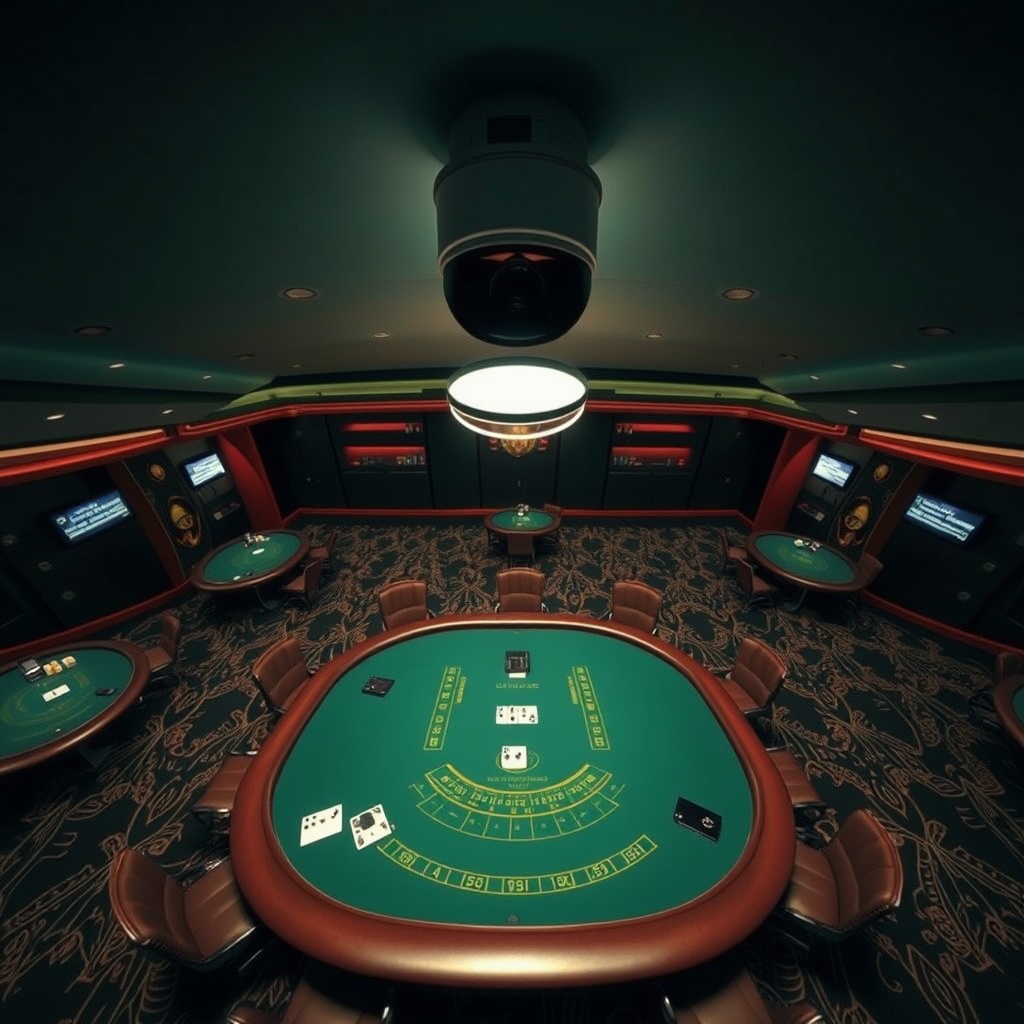
There’s also a misconception that counting guarantees you’ll win. It doesn’t. It’s more like turning a game where you’re slightly underwater into a game where you’re slightly above water, but only if the rules are favorable and you have the discipline of a monk. Even then, the edge might be something like 0.5 percent to 1.5 percent over the house in good conditions. That’s real money if you’re betting big, but the swings are brutal. You can play perfectly and still lose for hours. Variance doesn’t care about your confidence. I’ve watched smart people try it casually and get humbled in 30 minutes, then announce the whole concept is fake. It’s not fake, it’s just not magic.
So why would a casino care about one person with a 1 percent edge. Because blackjack is built on a thin margin. The casino’s expected profit comes from thousands of hands where the math slowly grinds in its favor. A counter flips that script, and if they’re spreading bets aggressively, the casino’s risk spikes. Casinos don’t like unpredictable risk. They like the cozy, reliable kind.
That’s also why casinos changed the game over the years. You’ll hear old-timers talk about the “good rules” like they’re reminiscing about cheap rent. Things like single-deck games (easier to count), dealers standing on soft 17, paying 3:2 on blackjack instead of 6:5, reasonable limits on splitting and doubling. The more player-friendly the rules, the easier it is for skill to matter. So casinos responded with multiple decks, continuous shuffling machines, and worse payouts. That infamous 6:5 blackjack payout is basically a tax on hopeful people who don’t read the fine print.

Now, about the celebrity angle. If you’re famous, casinos still do the same math, but with extra considerations. They might like the publicity of you being there, until you’re not just “playing,” you’re “extracting.” Also, famous players attract crowds. Crowds make it harder for the casino to control conditions. And if a celebrity is obviously winning, it creates the dangerous idea that blackjack is beatable by the average guy with a lucky wrist and a dream. That’s not the message casinos pay millions in carpet and chandelier maintenance to deliver.
The funny part is that casinos aren’t offended by intelligence. They’re offended by optimization. You can be brilliant and still lose like everyone else. The moment your brilliance shows up as a consistent shift in expected value, they act. Sometimes they’ll even compliment you while doing it. “You’re a great player, sir. We just can’t offer you blackjack anymore.” It’s like being politely dumped.
If you’re wondering how they actually enforce it, it ranges from subtle to blunt. They can lower the maximum bet for you. They can require you to flat bet. They can shuffle early, killing the count. They can switch dealers and watch your reaction. Or they can simply say, “No more blackjack,” and that’s that.

There’s also an important moral nuance people argue about: is card counting “cheating.” The casino will treat it like a threat, but it’s not cheating in the normal sense. You’re not breaking the game’s physical rules. You’re using information the game itself gives you. It’s more like being really good at poker tells, except blackjack is the house’s game and they get to decide how welcoming they want to be toward people who bring spreadsheets to a party.
If you take one lesson from the Affleck story, it’s that “legal” and “allowed” are different words. Card counting is generally legal. Casinos are generally allowed to stop you. And the real reason these stories go viral is because they poke that deep, satisfying little fantasy: the idea that you can walk into a glittering palace designed to separate humans from money, and with nothing but discipline and arithmetic, make the palace blink first.
It does happen. Just not as often, or as dramatically, as the headline wants you to believe. And if you ever try it yourself, remember the least glamorous truth in gambling: the house doesn’t need to beat you every hand. It just needs you to keep playing.
Loved this story? Pulse it.
Pulses bubble up to the channel — they help us see which stories deserve sequels.
You might also like
Vault
Discover the Clitoris: Fun Facts You Didn't Know

Super El Niño: Unraveling Its Surprising Impact on U.S. Weather

Historical Torture Methods and Devices Explained