
Why Lamb Costs More Than You Think! 🐑💸 #LambPricesExplained
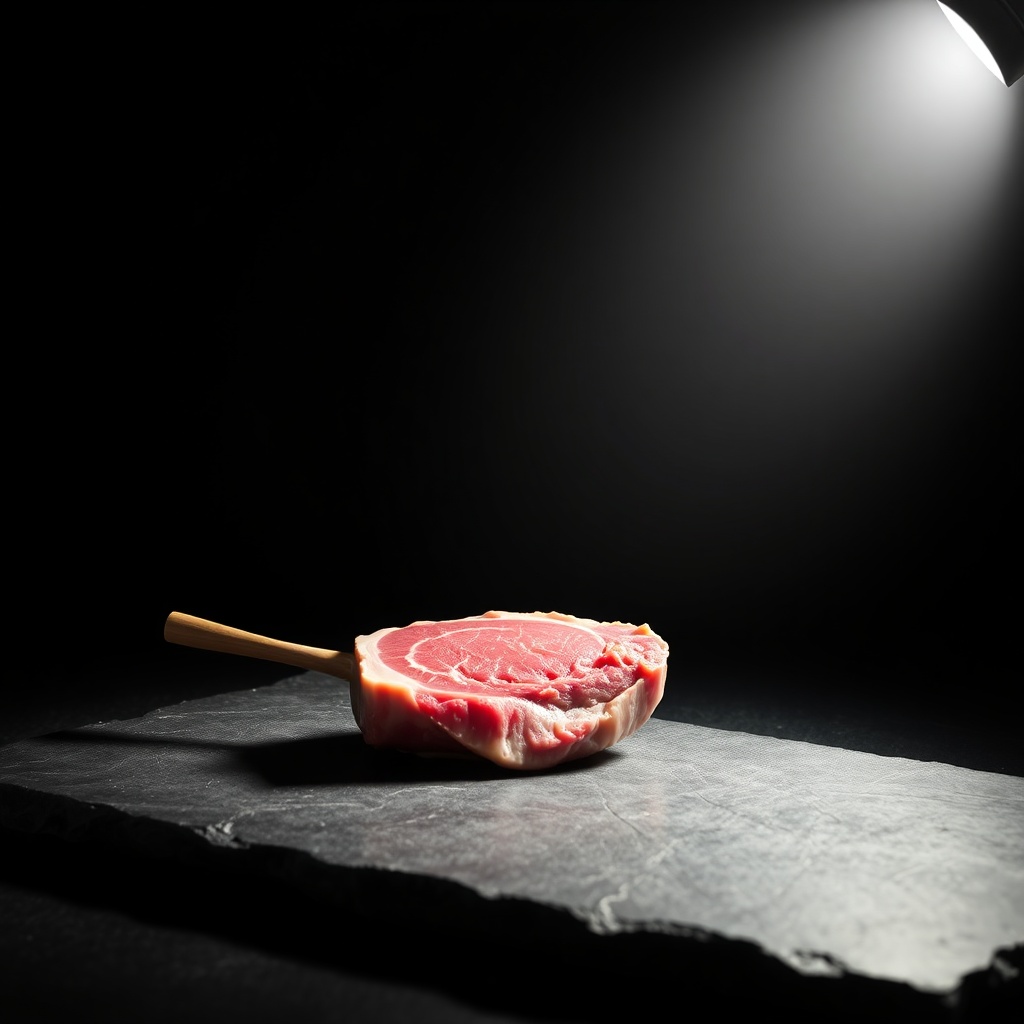
Ever notice how lamb is the one meat that makes you do a tiny mental negotiation at the butcher counter. Like, “Do I really love it. Or do I love the idea of loving it.” The reason lamb costs more than you think is basically a perfect storm of biology, geography, labor, and the fact that lamb isn’t just “another protein.” It’s its own weird little supply chain with fewer shortcuts.
Start with the simplest, most annoying truth: lamb takes longer and gives you less. Chickens are the overachievers of meat. They grow fast, reproduce constantly, and convert feed into meat with almost creepy efficiency. Pigs are also pretty productive. Cattle take longer, sure, but the beef industry is enormous and optimized to the point where a lot of costs get spread out over a huge system. Lamb sits in the middle. A lamb needs months on pasture or feed, but the real kicker is that each ewe produces a limited number of lambs per year. You’re not getting a conveyor belt of meat babies. So right away, the “units” you can sell per mother animal are lower than, say, chickens, and that alone pushes the price up.
Then there’s the yield problem. When you buy a pound of lamb chops, you’re paying for a lot of stuff that isn’t chops. Bones. Fat that gets trimmed. Parts that don’t move as quickly in the display case. Lamb carcasses are smaller than beef, and that means less margin to hide inefficiencies. With a cow, the industry has had a long time to monetize nearly everything, from prime cuts to ground beef to hides to byproducts. Lamb has less scale and fewer secondary markets in many places, so more of the animal’s cost has to be recovered from the popular cuts. Translation: the rack and the chops quietly subsidize the rest.
Now add seasonality. Lamb production isn’t as year-round and standardized as chicken. Sheep have breeding cycles that often line up with seasons, and while modern farming can manipulate some of that, a lot of supply still pulses. Demand pulses too. Holidays, religious festivals, grilling season, and certain cultural cuisines can cause predictable spikes. When demand jumps but supply can’t instantly respond, prices do what prices always do. They get rude.

Geography is another big one, and it’s sneakier than people realize. In a lot of the U. S., for example, lamb is not the default meat. Beef and chicken dominate. So the infrastructure, the processing plants, the distribution routes, and the retail habits are built around those. Lamb often travels farther. Sometimes it’s imported from places like Australia or New Zealand, where sheep farming is huge and efficient. That sounds like it should make lamb cheaper, and sometimes it does, but shipping refrigerated meat across an ocean is not exactly free. Plus, import supply is still supply, and it’s subject to currency swings, fuel costs, port bottlenecks, and random global disruptions that make your grocery bill feel like it has mood swings.
Even domestic lamb can be a logistics headache because sheep farms are often smaller and more dispersed. Smaller operations mean less negotiating power on feed, transport, and processing fees. And processing is where things get especially spicy.
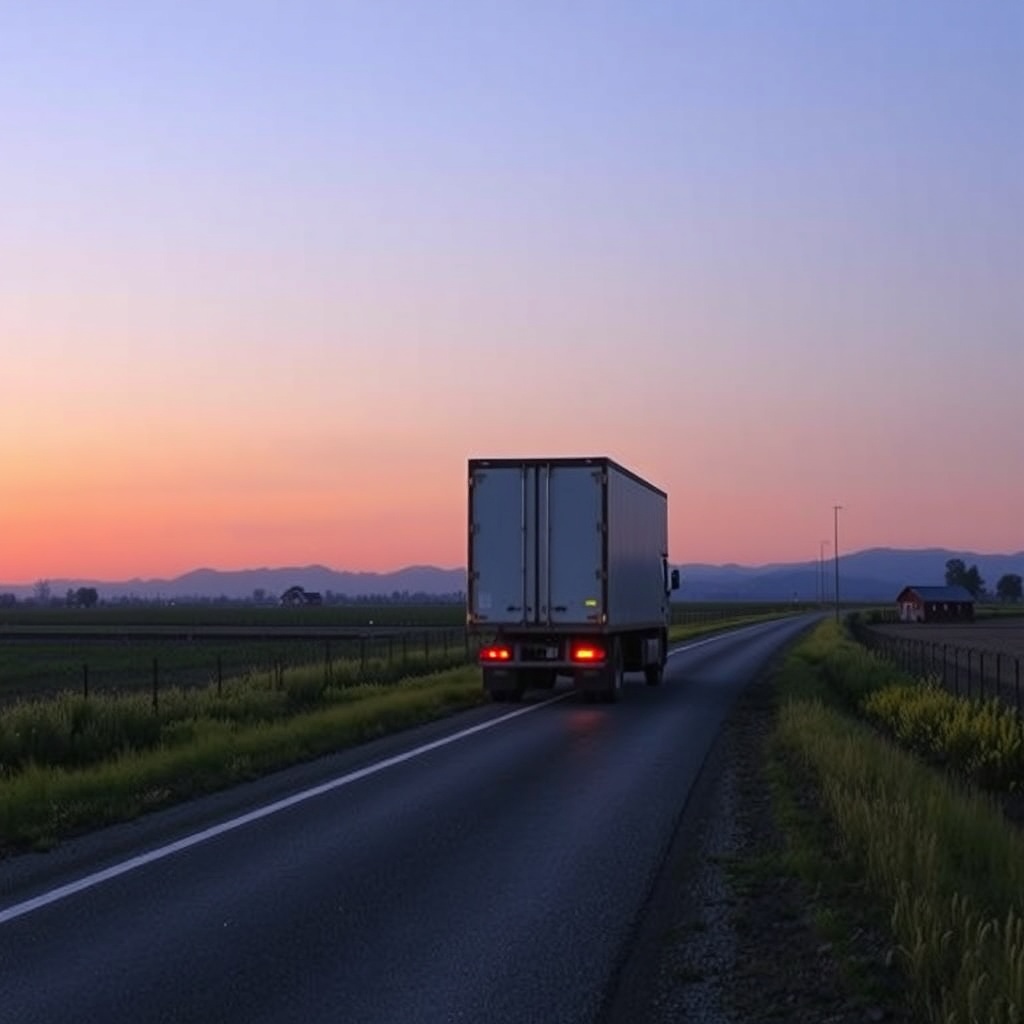
Meatpacking in general is a world of razor-thin margins and brutal efficiency. The biggest plants are built to process huge numbers of animals of a consistent type. That favors cattle, pigs, and chickens. Sheep are less common, so there are fewer federally inspected facilities set up for them in some regions. If the nearest suitable processor is far away, animals travel farther, stress goes up, shrink loss can go up, and transport costs rise. And if there are only a few facilities, there’s less competition, which can push processing fees higher. This is one of those invisible costs that never shows up on a menu, but it’s absolutely in your lamb shank.
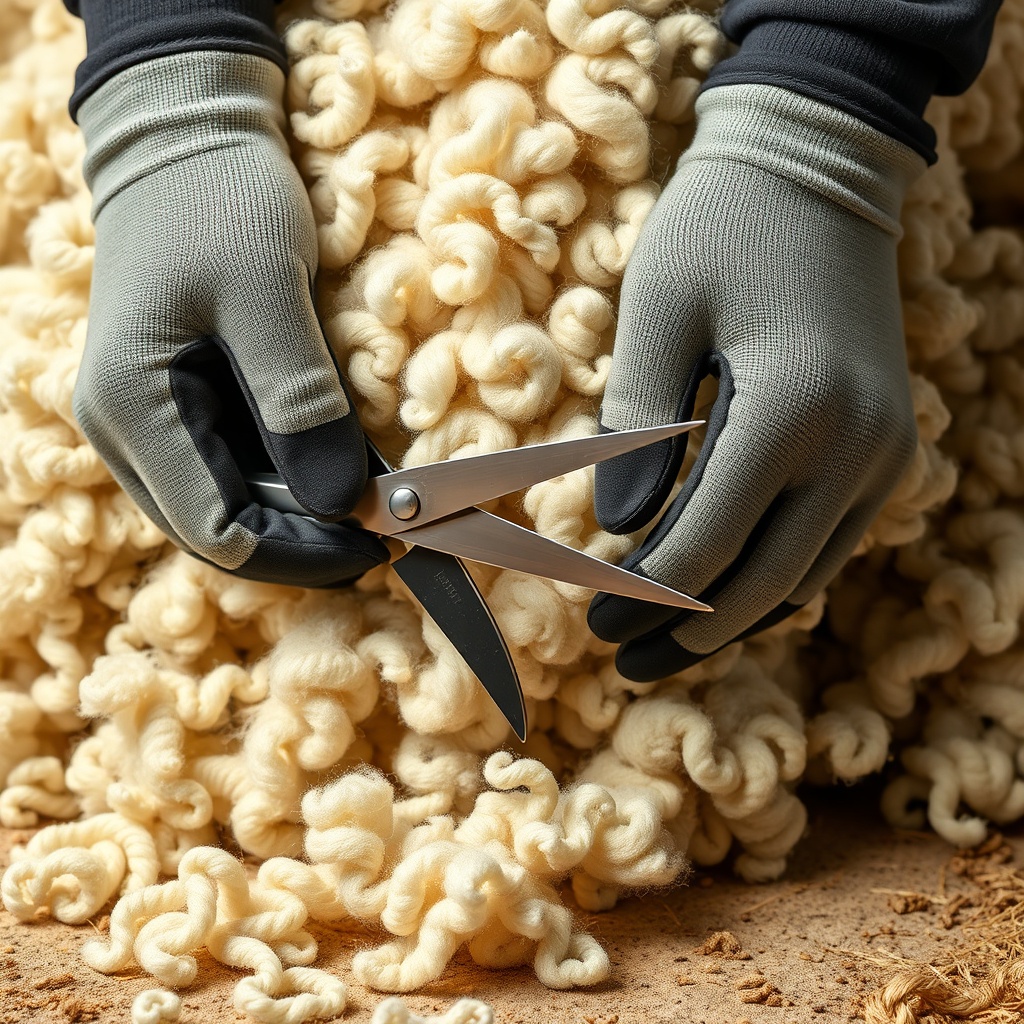
Labor is another big factor. Sheep are relatively hands-on. They need fencing, predator management, and often more attentive husbandry than people assume. Also, sheep are basically walking sweaters that require haircuts. Shearing is skilled labor, and while wool is a product, in many markets it’s not the gold mine people imagine. In some years, wool prices are so low that shearing feels like paying for an oil change you didn’t want, but your car will explode if you skip it. That cost can end up indirectly influencing the economics of keeping sheep at all, and if fewer farmers keep sheep, lamb supply tightens and prices rise. It’s not a straight line, but it’s connected.
Feed prices hit lamb too, especially in drought years. Sheep can graze and they’re good at using rough pasture, but they still need supplemental feed in many systems, and grain is a global commodity with its own drama. When hay gets expensive, every animal that eats hay gets more expensive. But again, sheep farmers often don’t have the same scale advantages as massive cattle feedlots, so those swings can feel sharper.
Here’s the part people don’t say out loud: lamb is also kind of a niche meat in certain countries. That means less demand overall, which sounds like it should lower prices, but niche can actually raise prices because the whole chain is smaller and less optimized. Grocery stores move what sells. When a product sells slowly, it ties up cooler space, risks spoilage, and requires more careful inventory. So retailers price it to cover the risk, and they order less, which keeps it niche. It’s a self-fulfilling little loop. Meanwhile, in places where lamb is extremely popular, you can sometimes find it cheaper relative to income because the system is built around it and nothing is “specialty.”
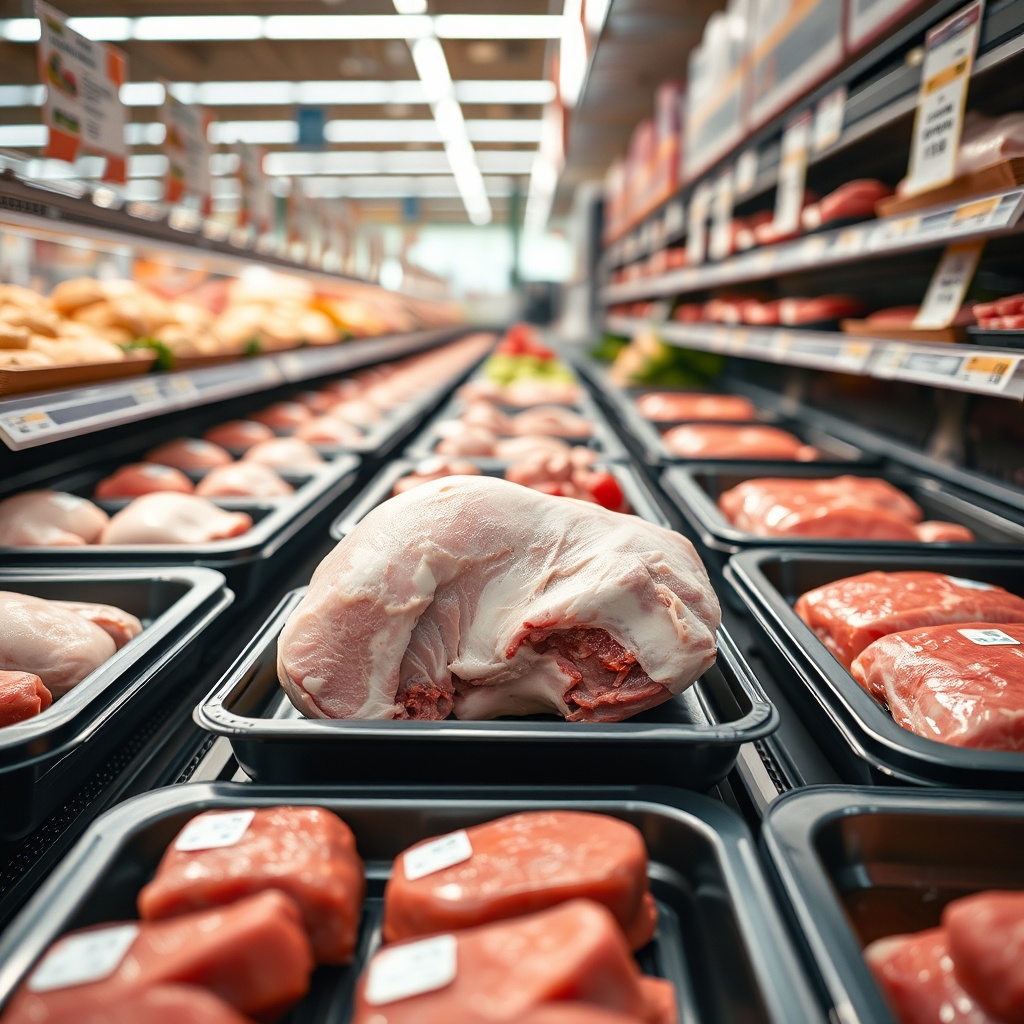
Another underappreciated factor: what you think of as “lamb” may be very specifically young. Younger animals mean more tenderness and a milder flavor, which a lot of shoppers prefer. But raising an animal to a particular market weight at a particular age takes control and timing. If you miss the window, you might be selling mutton or older lamb into a smaller market, often at a discount. Producers aim for that sweet spot, and the constraints of hitting it add cost.
Also, the “lamb flavor” question matters. Some people love that grassy, slightly funky richness. Some people are terrified of it. That unpredictability makes demand less stable. Beef is beef to most shoppers. Chicken is chicken. Lamb is, “Wait. Is this going to taste like that one time I hated it.” When demand is fickle, it’s harder for the industry to scale up confidently.
All of this stacks. Lower reproduction rate than chickens. Smaller carcass and fewer easy places to hide costs. More fragmented farming. Fewer processors. More transport. More retail risk. More seasonality. And then, just to be petty, lamb is often sold in cuts that feel fancy. Racks, loin chops, shanks. That’s not helping its “weeknight dinner” reputation.
If you want to make peace with lamb prices, the best trick is to buy like a person who cooks, not like a person who orders. Shoulder, neck, and shank are often better value and taste amazing with slow cooking. Ground lamb can be a bargain compared to chops, and it’s ridiculously good in meatballs or spiced patties. And if you ever see a whole leg on sale, that’s one of the rare moments lamb behaves like a normal meat.
The wild part is that lamb isn’t overpriced so much as it’s honestly priced. You’re paying for a smaller, slower, more complicated system that never got to become as industrial and streamlined as chicken or beef. Which is annoying at checkout. But when it’s done right. Crispy fat, tender meat, that almost herbal richness. It does make you understand why humans have been herding sheep for thousands of years, even if the sheep themselves still look like they’re surprised by the concept of a fence.
Loved this story? Pulse it.
Pulses bubble up to the channel — they help us see which stories deserve sequels.
You might also like
Vault
Discover the Clitoris: Fun Facts You Didn't Know

Super El Niño: Unraveling Its Surprising Impact on U.S. Weather

Historical Torture Methods and Devices Explained