The Faceless Presence – New Orleans, USA
You can tell when a hotel room has been watched for a long time. The air feels rehearsed, like it already knows what you’re going to do with your hands, where you’ll set your bag, how long you’ll stare at the bed before you decide you’re too old to be spooked by wallpaper.
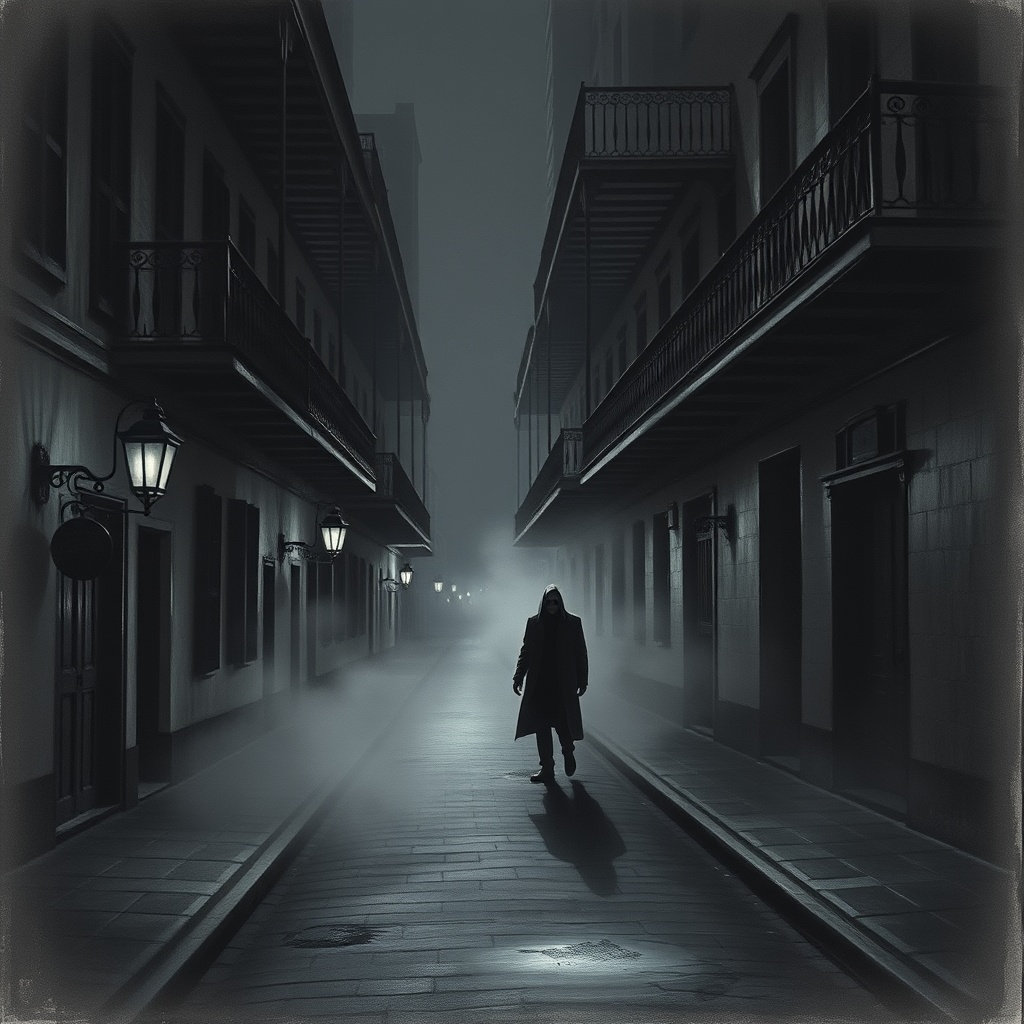
In the French Quarter, people talk about a “faceless presence” the same way they talk about bad plumbing. It’s not a legend you have to hunt down in some occult bookstore. It leaks out of bartenders, tour guides, night clerks, and locals who don’t even believe in ghosts until they’ve worked one Mardi Gras season too many. The story doesn’t have one official address, which is part of why it sticks. It’s been pinned to different old hotels, different courtyard inns, different upstairs rooms over the decades, migrating the way old rumors do in a neighborhood that lives on foot traffic and candlelight. Sometimes it’s “that room by the courtyard. ” Sometimes it’s “third floor, end of the hall. ” Sometimes it’s “don’t take the one with the mirror. ”
Most versions trace back to the mid to late twentieth century, when the Quarter shifted from worn-in residential blocks to a more constant churn of visitors, renovations, and haunted walking tours. Before that, New Orleans has plenty of ghosts with names, dates, and paperwork. Yellow fever dead. River men. Nuns. Pirates. The faceless presence is newer in tone, more like a modern stain. People say it started showing up in guest stories, then in staff stories, and then the staff started warning new staff, which is how folklore gets its legs. The details wobble, but the spine stays the same.
It’s not a full-bodied apparition. No chain-rattling aristocrat. No tragic woman in white. It’s described as a shape at the edge of your sight that becomes more definite the more you refuse to look straight at it. A head. Shoulders. A posture that suggests attention. When you do face it, there’s either no face at all, or a smooth blur where features should be, like wet paper pressed over a skull. Some witnesses swear the blankness isn’t empty. They insist it feels crowded, like something is behind it, trying to push through.
People usually “meet” it the same way. A locked bathroom door that wasn’t locked. A mirror that doesn’t quite match the room behind you. Waking up at 3:00 or 3:17, the exact time varies by teller, with the sensation of being observed from the corner near the wardrobe. The bravest end the story with, “I turned on every light and nothing was there. ” The honest ones add the part they don’t like repeating. That the room stayed wrong anyway. That their phone camera wouldn’t focus. That they felt pressure in their ears, like descending in an elevator. That the air turned thick and sweet, like old flowers left in water too long.
And how does it usually end. Most tellings end with the person leaving. They pack. They sit in the lobby until sunrise. They laugh it off at breakfast, because it’s New Orleans and you’re supposed to have a ghost story, like you’re supposed to have a hangover and a receipt you don’t understand. The darker versions end with the witness still seeing it afterward, not as a figure but as an absence that follows them into reflective surfaces. Elevator doors. Black phone screens. Windows at night. The suggestion is always the same. Once you’ve been noticed, it doesn’t need the room anymore.
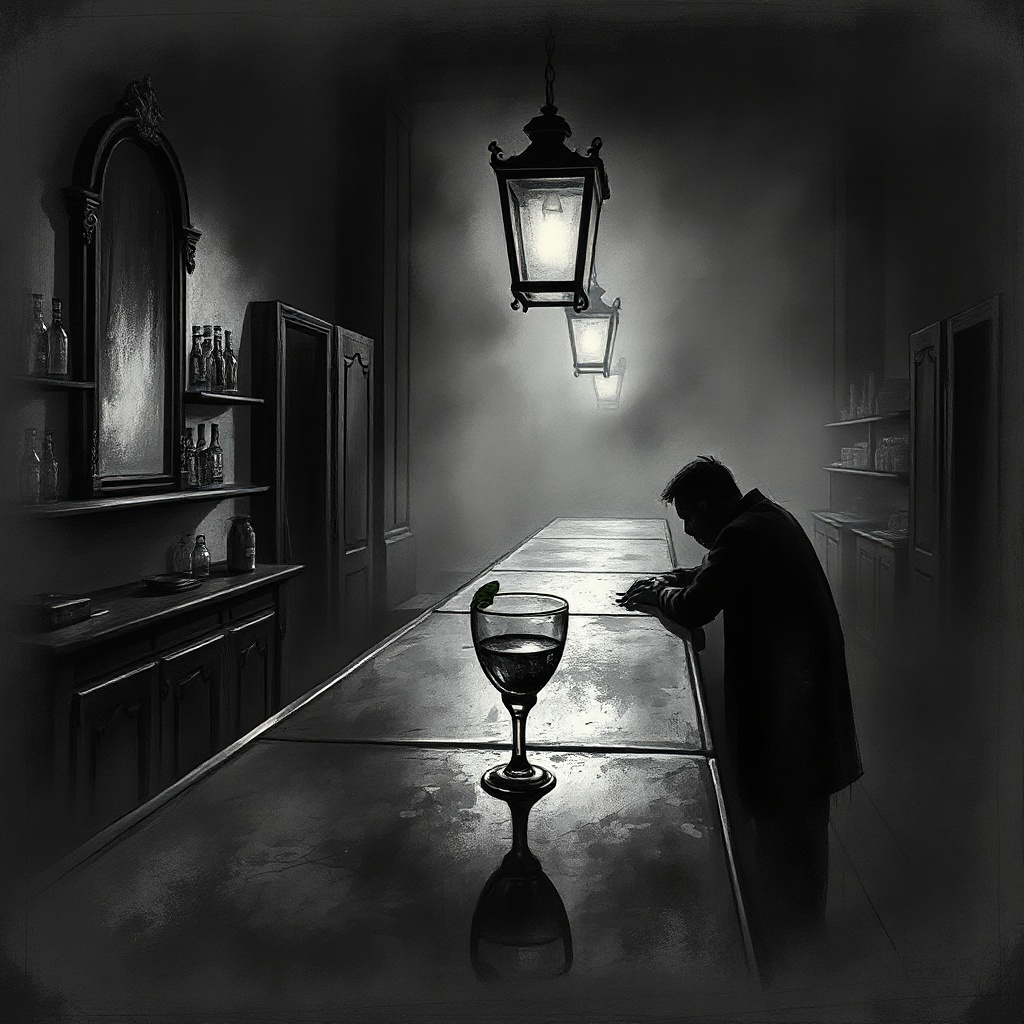
I heard all of this the way you hear it in the Quarter. In pieces, over noise. A friend of mine knows a friend who used to work nights at a little place with a courtyard and a fountain that never sounded like water. I was sitting at a bar that served a cocktail in a glass so small it felt like an insult, when the bartender said, casual as anything, “If you ever feel like someone’s in the room with you, don’t ask who it is. ”
“Why not. ” I said. I regret giving him the opening.
He wiped the bar like he was erasing something. “Because it’ll try to answer. ”
That was it. That was his whole warning. New Orleans loves efficiency when it comes to dread.
The next night I checked into an old hotel that had survived by being charming and cheap, which is the holy trinity of regrettable decisions. The clerk was a woman in her late twenties with tired eyes and a practiced smile. She slid a brass key across the counter. Not a card. A key, like the place was proud of how easy it would be to lock me in.
“Third floor. ” she said.
I made a joke about ghosts, because that’s what people do when they’re trying to prove they’re not nervous.
Her smile twitched but didn’t grow. “If something wakes you up. Don’t use the mirror. ”
“Is that your official policy. ” I asked.
She looked past me at the lobby doors, at the street beyond, like she was checking the weather. “It should be. ”
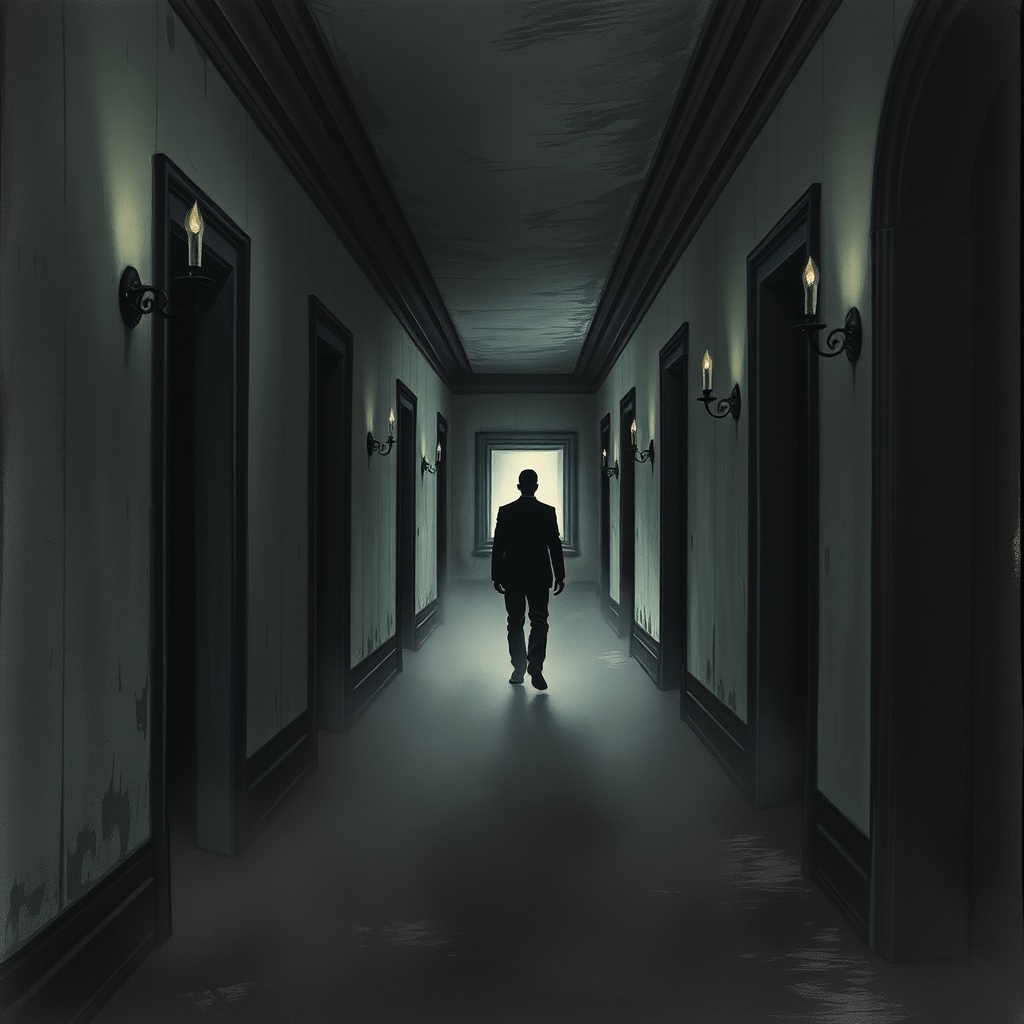
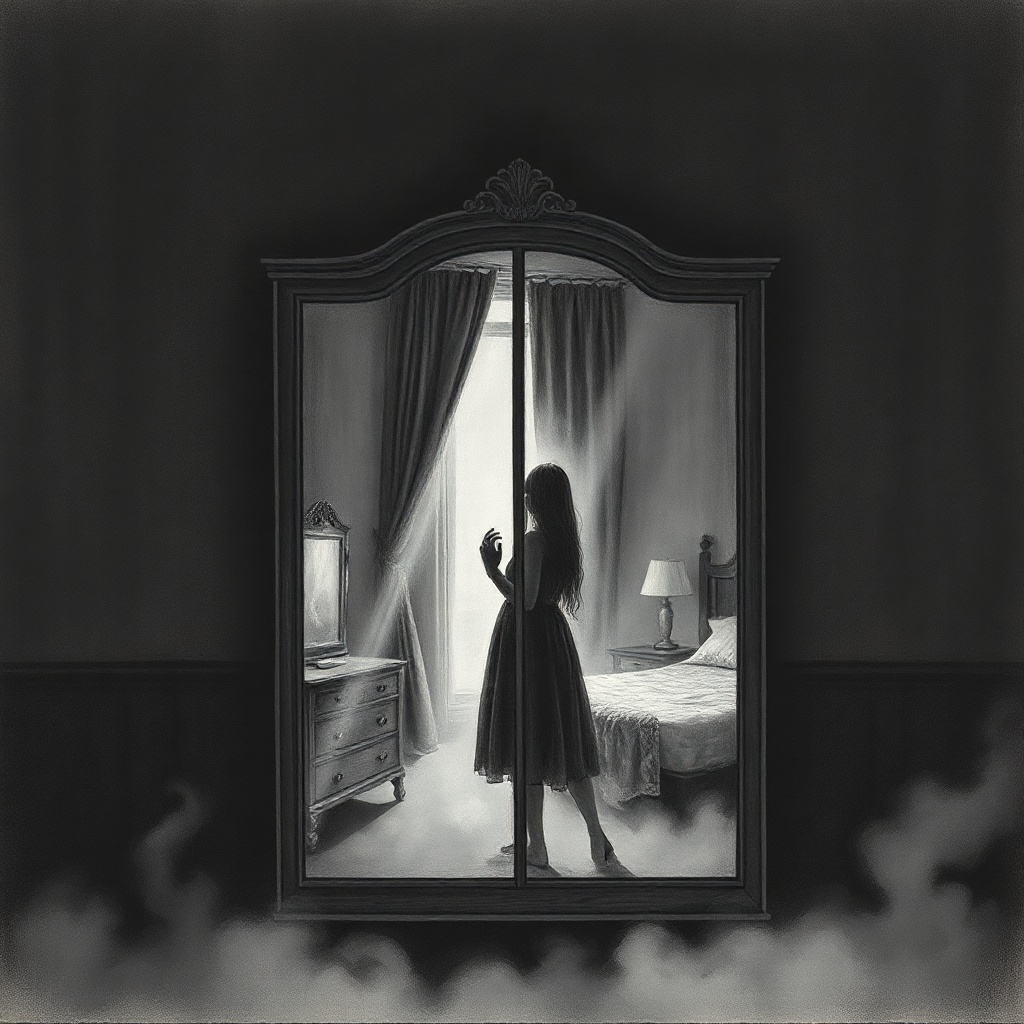
Upstairs the hallway smelled like damp wood and old perfume. The carpet had that soft give that makes you imagine all the feet that have pressed it down, all the stumbling, all the hurrying. My room was at the end, because of course it was. Inside, the air conditioner ran too loud, an industrial sigh that made the silence feel staged. The room itself was sweetly outdated. Heavy curtains. A bed that looked too tall. A wardrobe with a mirror in a dark frame, facing the bed like an accusation.
I put my bag down and, without thinking, looked into the mirror.
The reflection was normal. My face. My coat. The room behind me. But there was a delay, a tiny wrongness, like a bad internet connection. I lifted my hand. The mirror lifted its hand, just slightly late.
I stepped closer until my breath fogged the glass. The air turned colder around my ears. The mirror’s surface looked less like glass and more like depth. I told myself it was an old building settling, which is what people say when they need physics to act as a priest.
I went out for dinner and came back late, that New Orleans late where the streets still feel awake and you can’t tell if you’re walking through celebration or aftermath. When I returned, the room smelled different. Not musty now. Floral. Like lilies. Like a funeral that had tried to be elegant.
I checked the bathroom. Empty. I checked the closet. Just hangers, spaced like ribs. I laughed once, because that’s what you do when you’re alone and trying to reset your brain. Then I locked the door, because laughter doesn’t stop anything.
Sleep came in patches. I’d drift, wake, drift again. Each time I woke, I felt like I’d been pulled up by a string. At some point I opened my eyes to darkness so complete it looked solid. The air conditioner had stopped. The silence had weight. In it, I heard a sound from the far side of the room, not loud, not even quite a sound. More like the pressure of someone standing where they shouldn’t be.
I didn’t look. I tried not to breathe. My brain performed quick, useless math. The room key. The deadbolt. The third floor window. I told myself, if it’s a person, I can yell. If it’s not a person, yelling is just embarrassing.
Then the bed dipped, the smallest shift, like a hand had pressed the mattress near my feet.
A shape moved in the dark. Taller than it should’ve been. It stood between the wardrobe and the window, where the curtains leaked a trace of streetlight. The outline was wrong in subtle ways, too still, too upright, like a coat hanging from an invisible hook.
And I understood, suddenly and completely, why people don’t look straight at it at first. The instinct is to treat it like a trick of shadow. If you never confirm it, you can keep it in the category of maybe. The moment you look, you graduate to yes.
The shape leaned forward, and the streetlight caught the front of its head.
There was no face. Not darkness where a face should be. Not a hood. Just a smooth, pale blank, like the idea of a face erased.
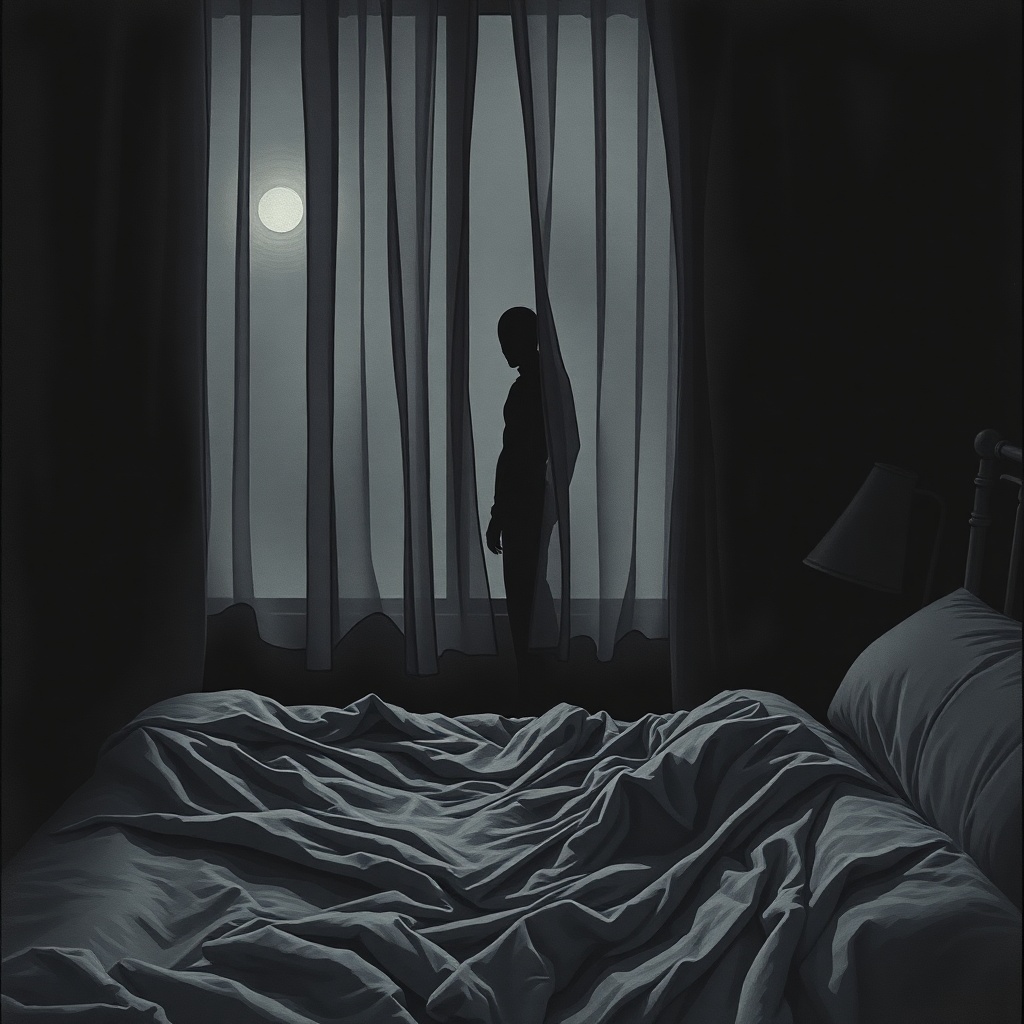
I reached for my phone on the nightstand with the slow care of someone trying not to startle a wild animal. The screen lit my fingers. The faceless thing didn’t flinch. If anything, it seemed to enjoy the light, the way a cat enjoys being acknowledged without having to move.
The phone camera came up automatically. My thumb hit record. The screen showed the room, grainy. The bed. The curtain. The wardrobe. But the spot where it stood looked smeared, like the pixels had been rubbed with a thumb. The longer I held the camera on it, the more the smear thickened until it looked less like a glitch and more like something pressing against the lens from the inside.
A sound came from it, soft, almost polite. A breath that wasn’t mine.
I remembered the bartender. Don’t ask who it is. Because it’ll try to answer.
So I didn’t speak. I didn’t demand. I didn’t pray. I just watched, miserable and fascinated, as the faceless presence tilted its head, like it was listening to a question I hadn’t asked out loud.
The wardrobe mirror, across from the bed, began to brighten. Not with light, exactly. With clarity. The glass turned into a dark pool, and in it I saw my room, my bed, my phone held up like a tiny shield.
And I saw myself in the reflection.
Except the reflection’s face was wrong. It was too smooth. Too pale. Blank as paper.
The faceless thing in the room didn’t move. It didn’t need to. The mirror did the work for it, offering me a version of myself that had already been edited.
I lowered the phone, because the instinct to hide is older than reason. The mirror-self did the same, slightly late.
Then, very gently, the mirror-self smiled. Not with lips. With a crease that appeared where a mouth should be, as if something underneath the blank surface had learned the shape of happiness by watching other people do it.
My stomach turned cold. The faceless presence in the room leaned closer to the mirror, and the mirror leaned back, meeting it halfway. Like two panes of glass touching.
On the bed, at my feet, the mattress dipped again. This time it felt like someone sitting down, getting comfortable.
I didn’t run. I know how that sounds. I should’ve bolted, kicked the door open, thrown myself down those old stairs like a cartoon. But my body had made a decision without me. Stillness. Silence. Don’t provoke. Don’t invite.
The air grew thick with that lily-sweet smell. I stared at the wardrobe mirror until my eyes watered, trying not to blink, because blinking felt like permission.
In the mirror, my blank-faced reflection raised a hand, slow, and placed its palm against the glass from the inside. The outline of fingers pressed outward, stretching the surface like skin.
On my side of the room, in the real air, I felt a hand settle on my ankle, not cold, not warm. Just present. Firm in a way that suggested it had all the time in the world.
I finally understood the last part of the legend, the part people only admit after their second drink. It isn’t that the room is haunted. It’s that the room is a place where something practices being you.
When morning came, there was no dramatic release. No snap of daylight and sudden normalcy. The room stayed dim, as if it resented the sun. The air conditioner turned back on with a shudder, covering everything with noise.
My phone, when I checked it, had recorded eight minutes of video. The file played back as a black screen with sound. In the sound, you can hear my breathing. You can hear the mattress creak once, like someone sitting down. And you can hear, very faint, a second breathing that matches mine perfectly, half a beat behind.
I checked out without mentioning anything. The clerk didn’t ask how I slept. She slid my receipt across the counter, eyes lowered, like we were both pretending not to notice the wet footprint on my suitcase, the one shaped like a bare human foot with toes too long.
Outside, the Quarter was bright enough to look harmless. Tourists drifted past with beignets and hangovers. A street musician played something cheerful and wrong. I walked away fast, telling myself I was done, that it was over, that I’d been tired and suggestible and in a city built to sell fear.
At the corner, I caught my reflection in a shop window. Just a quick glance. Just the normal check that you still look like you.
My face was there. Mine. Tired. Pale.
But behind me, in the glass, a blurred silhouette stood close enough to fog the window from the other side. And where its face should’ve been, the reflection didn’t show emptiness.
It showed my features, arranged almost correctly, like a stranger wearing a mask they’d made from memory.
I didn’t turn around. I kept walking. In New Orleans, that’s a kind of prayer. And somewhere in the dark shine of every window I passed, something walked with me, learning my shape, practicing my smile, waiting for the next time I made the mistake of looking straight at myself.
Loved this story? Pulse it.
Pulses bubble up to the channel — they help us see which stories deserve sequels.