Europe’s Hidden Armies: Operation Gladio Exposed
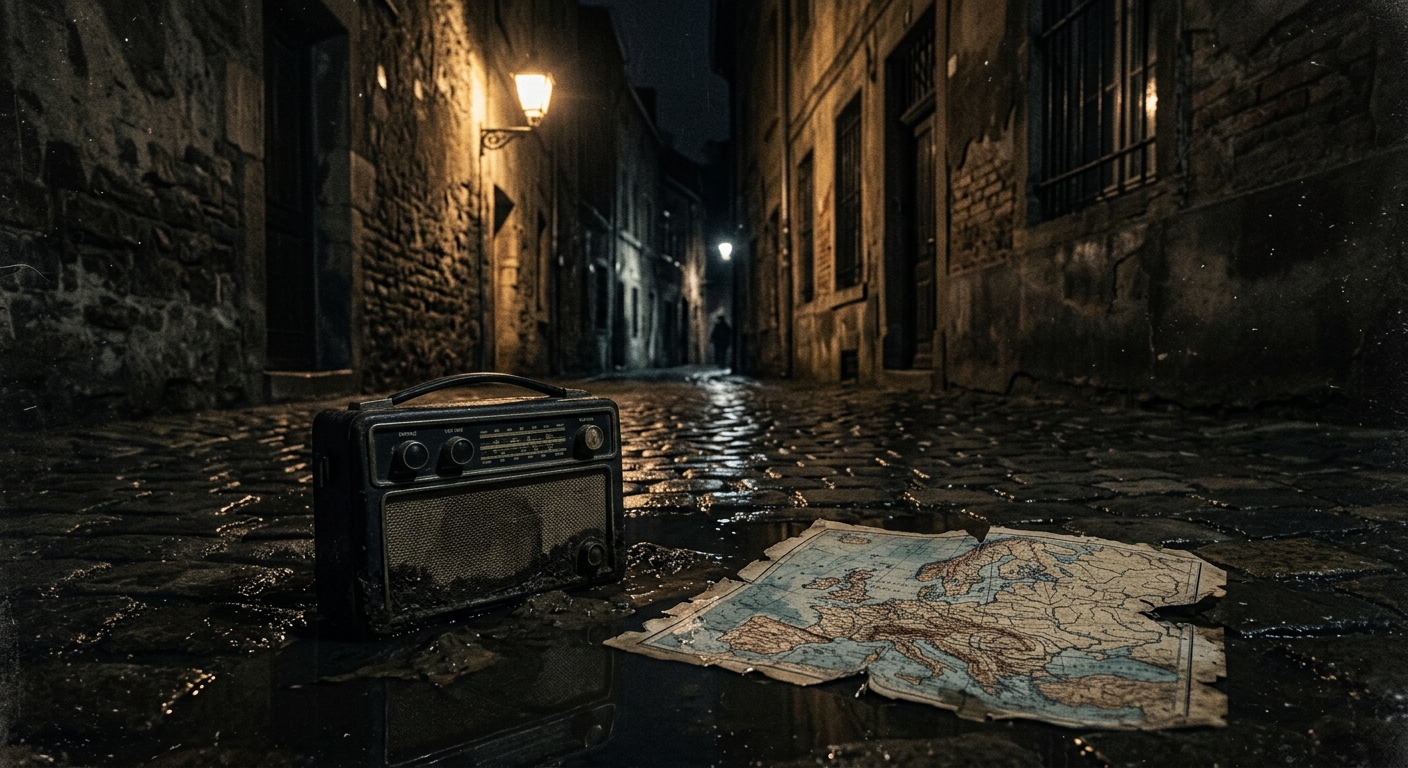
What do you call an army that doesn’t march, doesn’t wear a uniform, and isn’t supposed to exist. In postwar Europe, some governments and intelligence services quietly built exactly that. They called it “stay-behind.” The public would come to know one of its most famous nicknames. Gladio.
The basic idea was simple, and on its face, chillingly logical. After 1945, Western European states and the United States stared at the map and saw a real possibility of Soviet tanks rolling west. If a Warsaw Pact invasion happened, regular armies might be crushed or driven into exile. So planners built networks that could remain behind enemy lines. They would hide weapons, maintain secret communications, gather intelligence, help leaders escape, and organize sabotage and resistance. It was the wartime resistance movement, institutionalized in peacetime, and wrapped in secrecy so tight that even many elected officials didn’t know the details.
These networks weren’t a single, centrally commanded “secret army” with one headquarters and a master plan written on a villain’s clipboard. They were national structures, shaped by local politics, overseen to varying degrees by domestic intelligence services, and linked through NATO-era coordination channels and relationships with U.S. and British intelligence. Italy’s stay-behind apparatus is what people most often mean when they say “Operation Gladio,” but similar programs existed in other countries, including Belgium, France, West Germany, the Netherlands, Greece, and others. The phrase became a kind of shorthand, which is convenient for YouTube thumbnails and terrible for clarity.
Italy is where the story turns from cold strategic logic into a darker, messier drama. The program there is generally associated with the postwar intelligence environment, first with SIFAR and later SISMI, while the broader NATO context included coordination committees whose membership and precise activities remain partly opaque. Documents, parliamentary inquiries, and testimony have filled in pieces, but not a neat full picture. When people say “exposed,” what they usually mean is that parts of the secret architecture were publicly acknowledged and investigated, not that every operational detail was dragged into daylight.
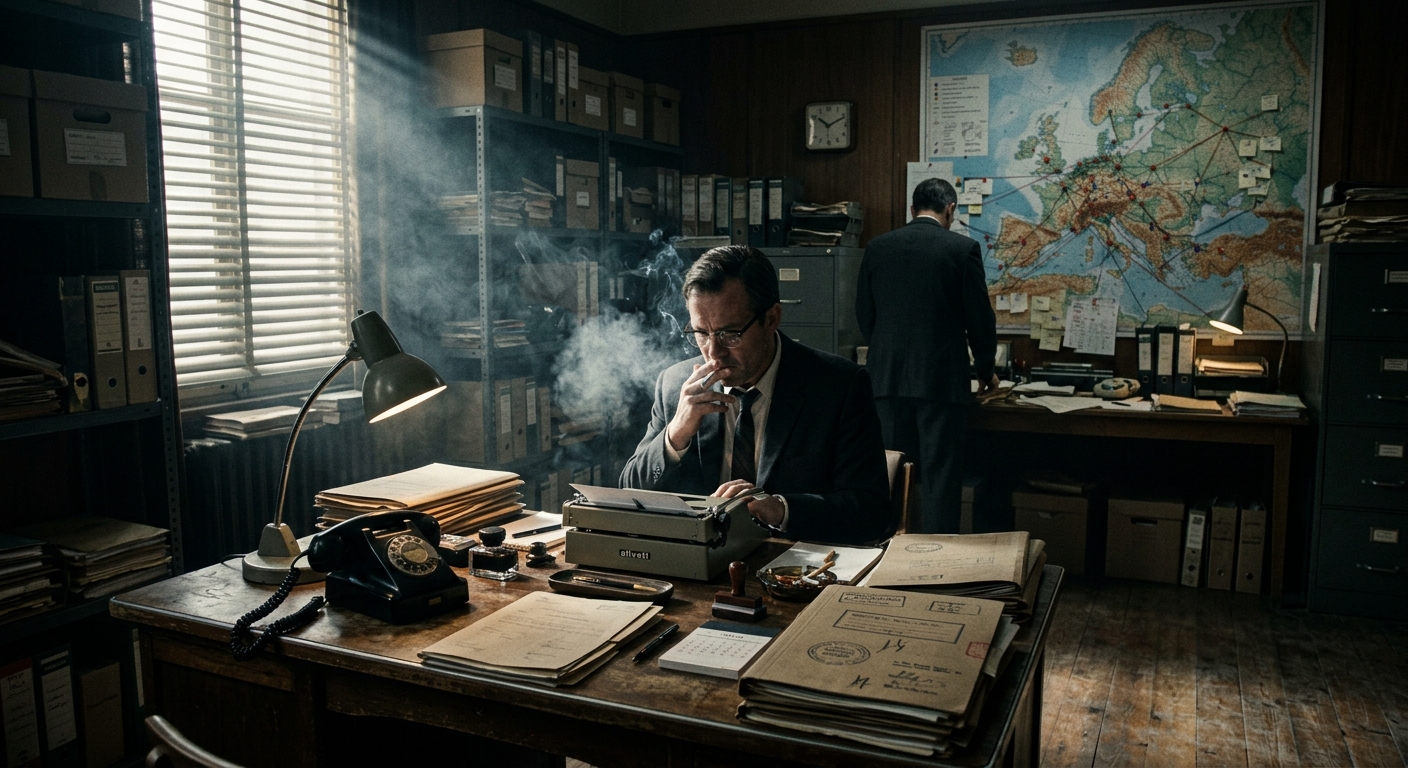
For decades, most citizens lived their lives without hearing the word “Gladio.” Then, in 1990, the subject burst into public view in Italy. The prime minister at the time, Giulio Andreotti, informed parliament of the existence of Gladio, acknowledging a stay-behind structure that had been organized for resistance in case of invasion. That admission landed like a brick through a window. In a country already exhausted by political violence and conspiratorial suspicion, the idea of a secret paramilitary network raised the immediate question: Where did defensive planning end, and where did domestic manipulation begin.
Because Italy’s postwar decades weren’t calm. They were marked by what Italians call the “Years of Lead,” a time of bombings, assassinations, kidnappings, and street warfare between extremist groups. Some attacks were carried out by far-left militants, others by neo-fascists, and the state’s responses ranged from competent policing to scandalous incompetence. Into that chaos came allegations, argued over for years, that elements connected to stay-behind networks, or to sympathetic corners of the security apparatus, may have helped foster a “strategy of tension.” In that theory, terror and instability could be used to push public opinion toward order, crackdowns, or certain political outcomes.
The problem, for anyone who wants a clean verdict, is that the historical record is tangled. There were real terrorist attacks. There were real extremist groups. There were real intelligence failures, cover-ups, and contested court cases. There were also real investigations, including parliamentary inquiries, that examined whether Gladio or adjacent circles had any role in internal violence. Some claims remain disputed, and not every dramatic assertion survives contact with evidence. If you go looking for a single smoking gun that ties everything together, you’ll mostly find smoke from a thousand different fires.
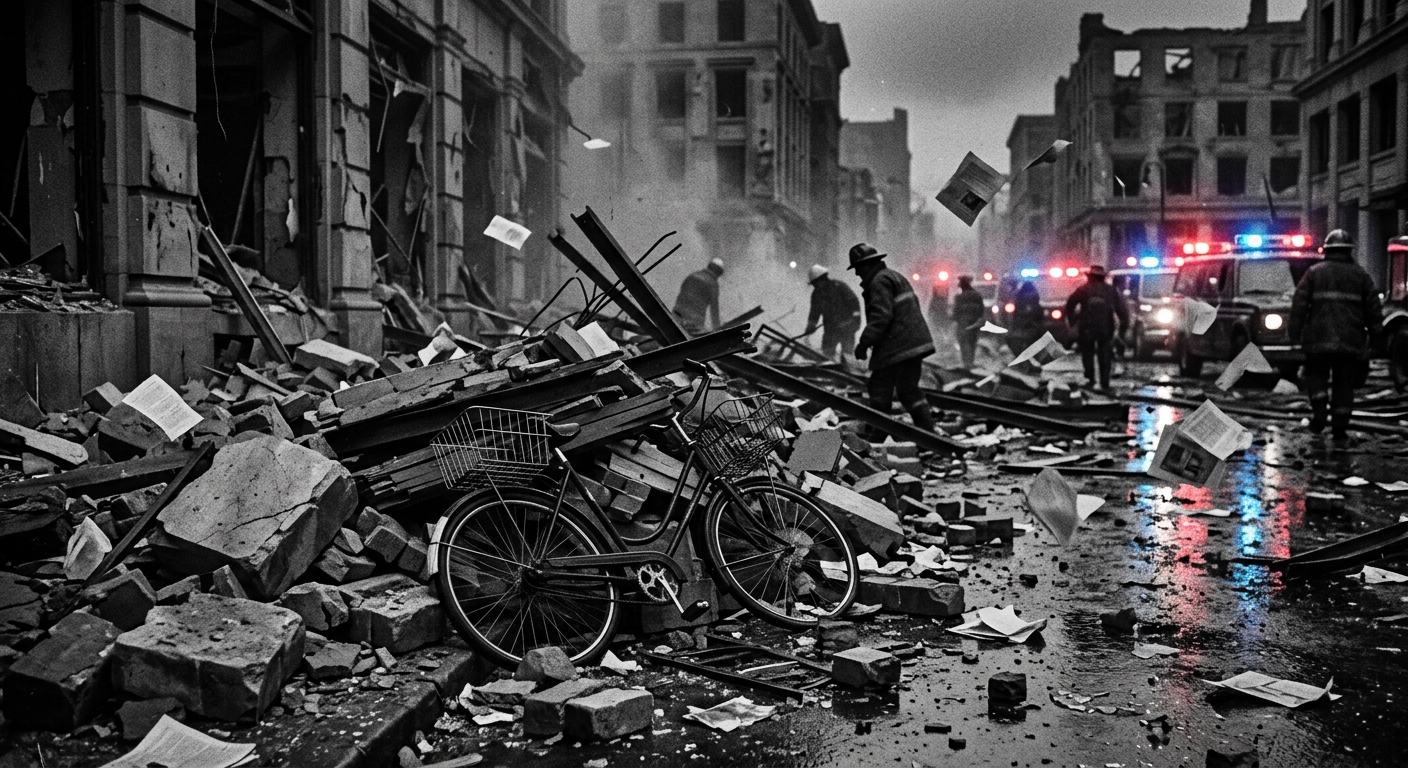
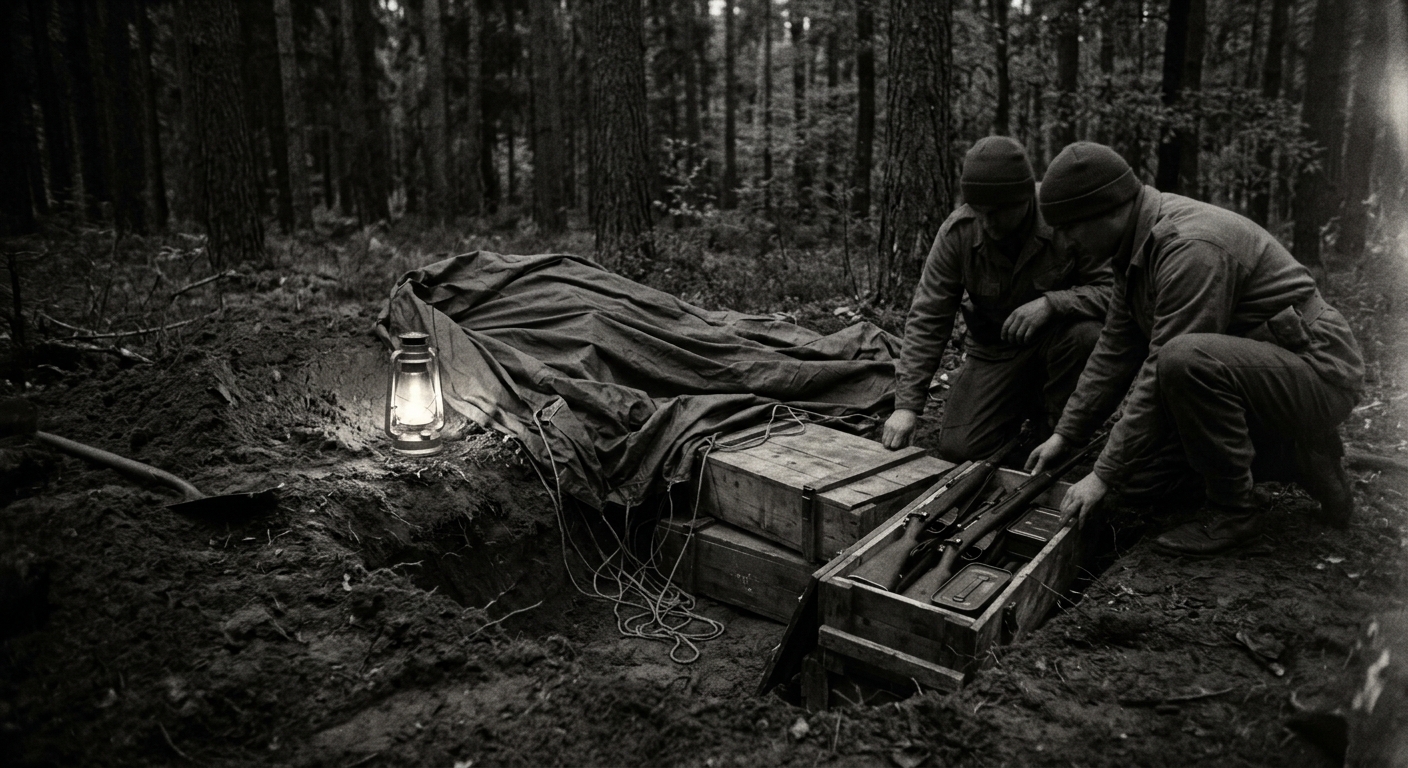
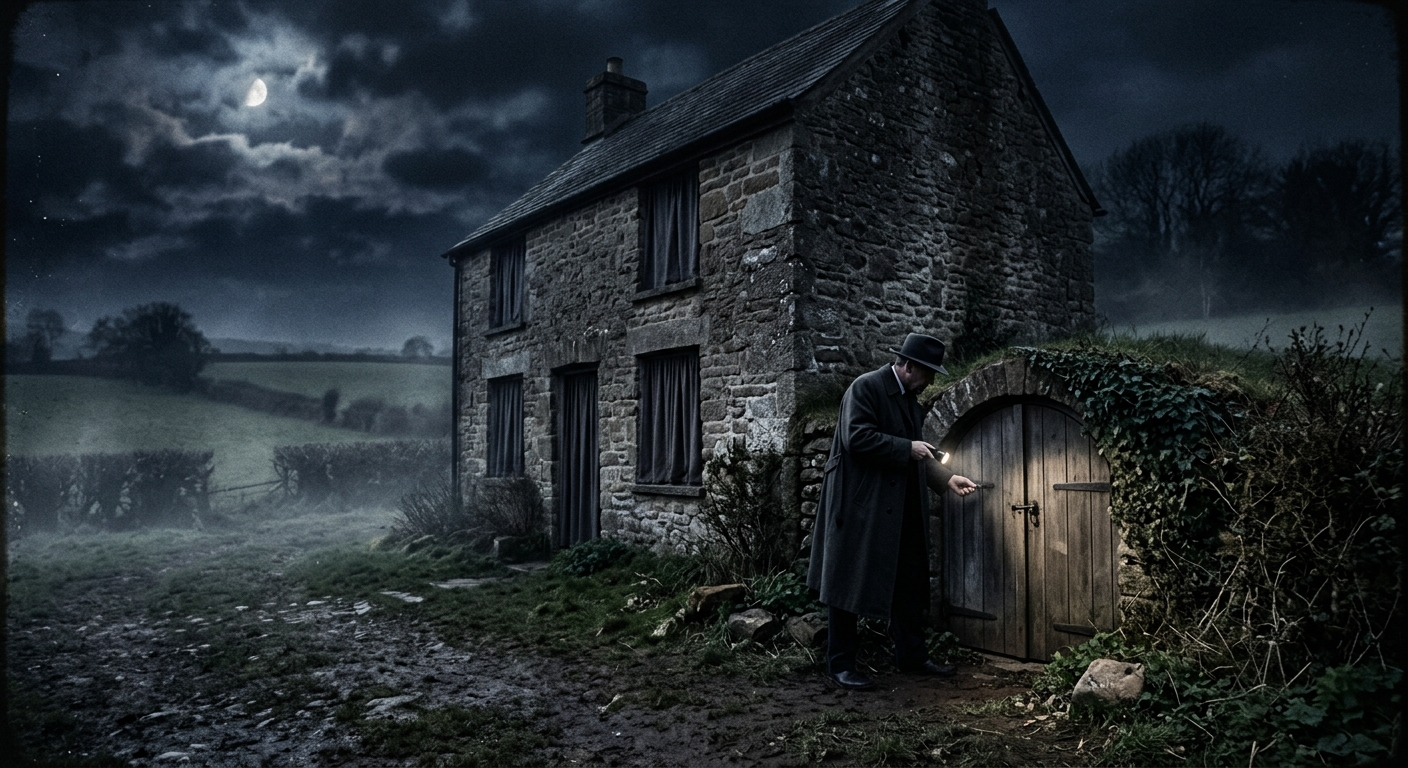
Still, the unease is understandable. A stay-behind network, by design, lives off the books. It needs secret arms caches, safe houses, trusted couriers, clandestine radios, false identities. It recruits people who can keep their mouths shut and operate under pressure. In wartime that’s a recipe for resistance. In peacetime it’s a recipe for suspicion. If such a structure exists, who watches the watchers. If it’s run through intelligence services, how much oversight do parliaments actually have, especially in the mid-20th century when “national security” could end an argument on the spot.
Outside Italy, revelations and debates surfaced in other countries as journalists and lawmakers asked what, exactly, had been built under the stay-behind umbrella. Belgium, for example, confronted questions about its own arrangements. Switzerland, famously neutral, also examined clandestine structures and contingency planning, which tells you something important. Fear of invasion didn’t respect political branding. A friend once joked to me that Europe in the Cold War sometimes looks like a neighborhood where everyone quietly bought a baseball bat “just in case,” then spent forty years arguing about who swung first. It’s not a perfect analogy. But the mood fits.
The United States and the United Kingdom loom in the background of this story because they were central players in the early Cold War security order. Through NATO relationships and intelligence cooperation, American and British services supported anti-Soviet preparedness across Western Europe. That support, in principle, aligned with the defensive logic of stay-behind. The controversy arises when people argue that clandestine support blurred into political engineering, or that extremist elements were tolerated as useful anti-communist assets. Those are explosive claims, and they require careful handling. Some declassified material and inquiry findings point to connections and contacts. Other alleged links are more speculative, or are drawn from testimony that critics challenge. This is one of those historical terrains where “possible” and “proven” live uncomfortably close together.
One thing that is not in doubt is the broader consequence for democratic trust. When the public learns that armed clandestine networks existed with limited oversight, it changes the emotional texture of history. Ordinary events take on new shadows. A bombing becomes not just a crime but a question mark. A police error becomes not just human failure but potential design. Even if many of the worst allegations are overstated, secrecy itself becomes a political actor. It breeds suspicion the way damp breeds mold.
And yet. There’s another uncomfortable truth here. The fear that produced stay-behind networks wasn’t fantasy. The Soviet Union crushed uprisings in its sphere. Hungary in 1956, Czechoslovakia in 1968. The Iron Curtain was not a metaphor; it was concrete, wire, guards, and gunfire. Western European leaders could plausibly imagine invasion or coercion, especially in the early Cold War years. Planning for resistance was not inherently sinister. The sinister part, if it happened, would be mission creep. The defensive apparatus turning inward. The emergency plan becoming a tool of politics.
What people still argue about, and will probably keep arguing about, is where to place the emphasis. Was Gladio primarily a prudent insurance policy that never needed to be cashed. Or was it one thread in a larger tapestry of clandestine influence, where parts of the state treated democracy as something to manage rather than something to obey. Different countries, different institutions, different decades. There isn’t one answer that fits all.
The reason this story still matters is not just because it’s secretive and dramatic, though it certainly is. It matters because it forces a hard question that never goes away. In moments of fear, democracies build hidden mechanisms to protect themselves. Some of those mechanisms are necessary. Some are dangerous. And once built, they don’t always dismantle cleanly when the fear fades. People still talk about Gladio because it sits right on that fault line, between legitimate defense and the temptation to control the future from the shadows.
Loved this story? Pulse it.
Pulses bubble up to the channel — they help us see which stories deserve sequels.
You might also like
Vault
The Plague That Shook an Empire
History’s First Treaty: Egypt & Hittites Unite

The Dead Pope’s Trial: Cadaver Synod Mystery