
A Shadow’s Journey to Finding Its Own Light

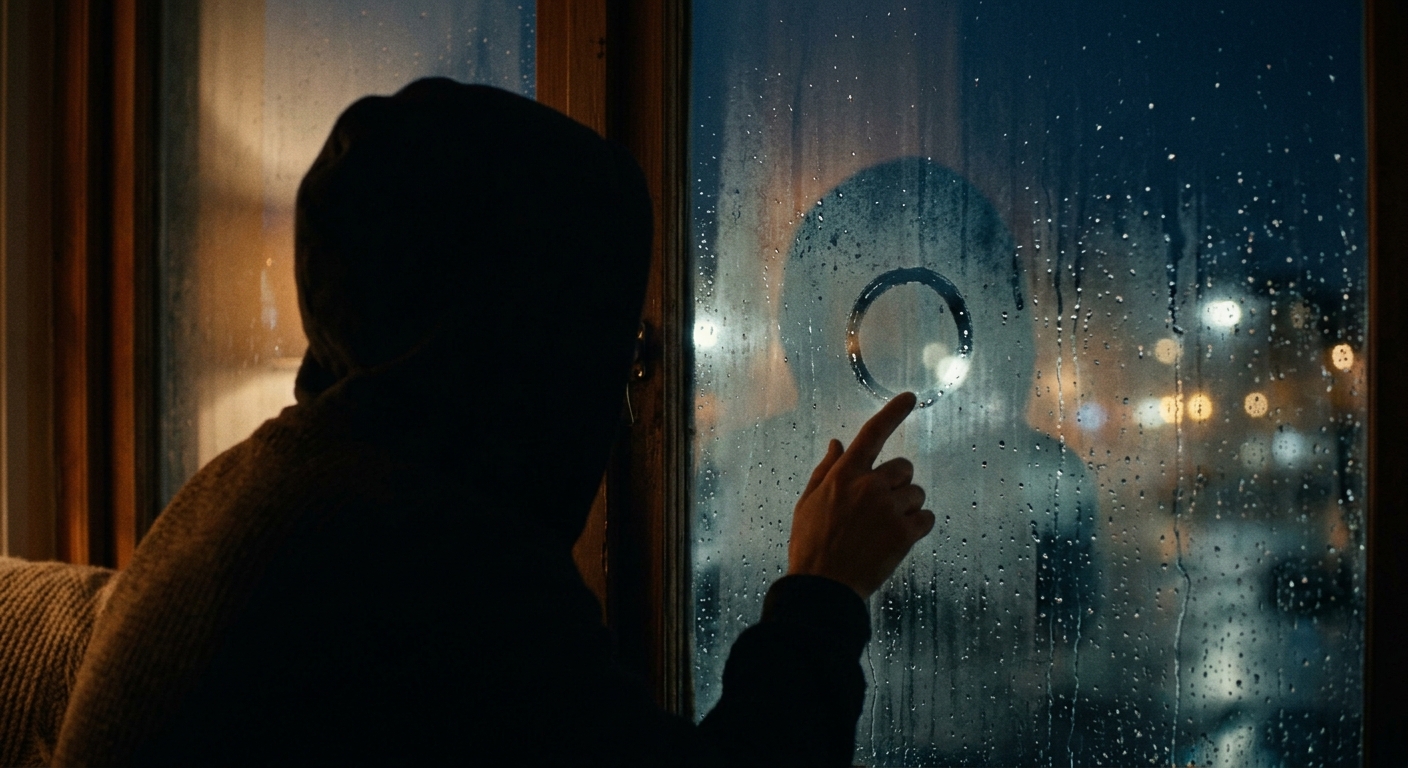
If you’ve ever walked into a room and felt like you were taking up zero space, like you were basically a polite ghost with a to-do list, you already understand the emotional problem at the heart of this: invisibility. Not the magical kind. The kind where you’re present, you’re trying, you’re even helpful, but somehow you’re overlooked. You become “the reliable one,” “the quiet one,” “the one who’s fine.” And the longer it goes on, the more it starts to feel like maybe you’re not meant to shine, only to follow.
Feeling like a shadow usually isn’t about lacking value. It’s about a mismatch between what you carry inside and what the world reflects back. Sometimes you’re surrounded by louder people, or you’re in a culture that rewards confidence-over-competence, or you’ve learned that being low-maintenance is safer than being seen. Other times it’s a season of life: burnout, grief, a move, a breakup, a job where you’re just a number. Your nervous system learns a simple lesson: “Keep your head down. Don’t make it worse.” That lesson can protect you in the short term. It can also shrink your life in the long term.

People often feel invisible for reasons that make a lot of sense when you look gently at the context. Maybe you grew up around criticism, where being noticed meant being corrected. Maybe you were the peacekeeper, the helper, the “easy kid,” the one who didn’t add trouble. Maybe you learned early that other people’s needs were urgent and yours were optional. Or maybe you were visible once, and it hurt. A rejection, an embarrassment, a public failure, a relationship where you were mocked for your dreams. After that, it’s normal to decide, quietly, that it’s safer to stay in the background.
The patterns that keep people stuck often look “responsible” on the outside. You over-prepare but under-share. You wait until you’re perfect to speak. You downplay your wins, then wonder why nobody notices your effort. You say yes to avoid disappointing people, then resent them for not seeing you. You assume you’re bothering others, so you don’t ask for what you want. You scroll and compare and conclude, with zero evidence, that everyone else got the handbook on confidence and you somehow missed it.
One sneaky trap is what I call the “pre-rejection.” You reject yourself before anyone else can. You don’t apply. You don’t pitch. You don’t flirt. You don’t share the art, the idea, the opinion. Then you tell yourself, “See, it wouldn’t have worked anyway.” It’s a tidy story. It also steals your chance to build real proof that you can be seen and survive it.

So what helps a shadow find its own light. Not in a dramatic, overnight transformation way. More like a slow, steady reclaiming.
Step one is naming the feeling with kindness. Try this sentence: “I’m feeling unseen, and it makes sense that it hurts.” That’s not self-pity. That’s emotional honesty. When we skip this part, we tend to chase attention in ways that don’t actually feed us, or we shut down and call it independence.
A reflection question: Where do I most often feel invisible. At work. With family. In friendships. Online. With myself.
Because yes, sometimes the most painful invisibility is internal. You ignore your own needs, your own preferences, your own boredom, your own desire. You become a shadow to yourself.
A simple action you can start today: write a “proof list.” Three bullets. Not your achievements for a resume, but proof that you have a pulse and a point of view. Examples: “I comforted my friend without trying to fix her.” “I noticed a beautiful detail on my walk.” “I finished something even though I didn’t feel like it.” This is you building a relationship with your own light, one ordinary moment at a time.

Step two is practicing visibility in small, survivable doses. If you’ve been hidden for a long time, jumping straight into “be confident” is like telling someone to run a marathon when they haven’t slept. Start with micro-risks.
Say one true sentence in a conversation. “Actually, I don’t really like that restaurant.” “I’ve been tired lately.” “I’m proud of how I handled that.” Share a small preference without apologizing for it. Post something you care about, not something you think will perform. Ask one question that reveals you: “Can I tell you what I’m working on.” It’s amazing how often we’re not invisible. We’re just waiting for permission that nobody is going to hand us.
A reflection question: What’s one place I could be 5 percent more honest this week.
Step three is changing the reinforcement loop. Shadows are often created by environments. If you’re consistently overlooked, it might not be your personality. It might be the room you’re in.
Try an inventory. Who makes you feel expanded. Who makes you feel reduced. Notice the difference between people who are busy and people who are dismissive. Sometimes someone is distracted. Sometimes they’re not capable of seeing you. Those are different problems with different solutions.
A simple action: send one message that nurtures a healthier room. “Hey, I’d love to catch up. I miss talking with you.” Or join one space where your interests are shared, a class, a volunteering shift, a quiet community. You don’t need a huge circle. You need a few places where your presence has weight.
Step four is learning to receive. This one sounds easy until you try it. When someone compliments you, do you deflect. Do you make a joke. Do you immediately credit someone else. I do this more often than I’d like to admit, like my nervous system thinks praise is a suspicious package.
Practice this response: “Thank you. That means a lot.” Then stop talking. Let it land. Receiving is part of shining. If you can’t receive light, you’ll keep proving to yourself that you don’t have any.
A reflection question: What do I fear would happen if I allowed myself to be seen as capable, attractive, talented, or important.
Step five is building a steady inner light. External validation is nice. It’s also unreliable. Your own light is the habits that keep you connected to yourself even when nobody claps.
Pick one daily anchor that says, “I exist.” Five minutes of journaling. A walk without headphones. Stretching while the kettle boils. One small creative act. One boundary. One promise kept to yourself.

If this topic touches something heavier, like persistent numbness, hopelessness, panic, or thoughts of harming yourself, please don’t carry it alone. A licensed therapist, counselor, or doctor can help you find stable ground, and reaching out is an act of strength, not drama. If you feel at immediate risk of hurting yourself, contact your local emergency number right now, or in the U.S. you can call or text 988. If you’re outside the U.S., tell me your country and I’ll help you find the right crisis resources.
Here are a few gentle questions to close with. When did I first learn it was safer to be small. Who benefits when I stay invisible. What do I actually want to be known for. What’s one tiny way I can take up space today without asking permission.
Your light doesn’t have to be loud to be real. It can be quiet, consistent, and stubborn. A shadow’s journey isn’t about becoming someone else. It’s about turning slightly toward the warmth, again and again, until your life starts reflecting you back.
Loved this story? Pulse it.
Pulses bubble up to the channel — they help us see which stories deserve sequels.