How a Fire Changed an Entire City Forever
Some fires don’t just burn buildings. They rewrite a city’s habits, its laws, even the shape of its streets. Baltimore learned that the hard way on a bitter Sunday in February 1904, when a small blaze in the downtown business district turned into a rolling, wind-fed catastrophe that made the city look, for a time, like a war zone.
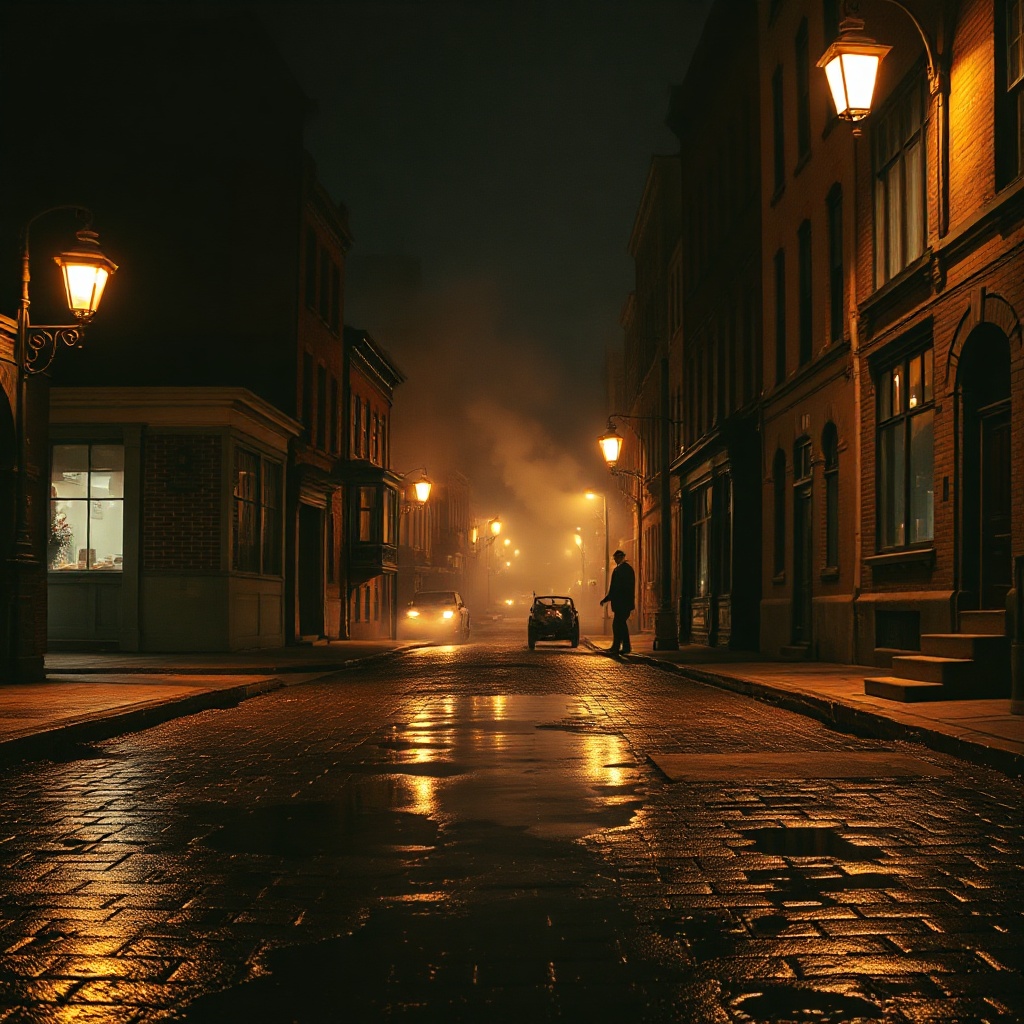
The story starts on February 7, 1904, in the commercial heart of Baltimore. It was a port city with money in its warehouses and pride in its stone and brick. The fire is generally traced to the basement of the John E. Hurst and Company building, a wholesale dry goods firm. Exactly what sparked it is still described in broad strokes in most accounts, because the larger truth is that once it caught, the conditions did the rest. The day was dry. The wind was up. And the city’s downtown was packed with tall buildings full of combustible goods, threaded together by narrow streets and shared walls. Fire loves a place like that.
Baltimore’s firefighters responded fast, but this wasn’t a neat little warehouse incident. Flames climbed, broke out, and found oxygen. Then it started hopping. Burning brands and embers sailed on the wind, landing on rooftops and through windows. In city fires, you can almost picture the moment a crew realizes they’re no longer “putting it out” and are now “trying to keep it from becoming everything.” That pivot is brutal. It means choosing what to save, block by block, while the fire chooses for you.
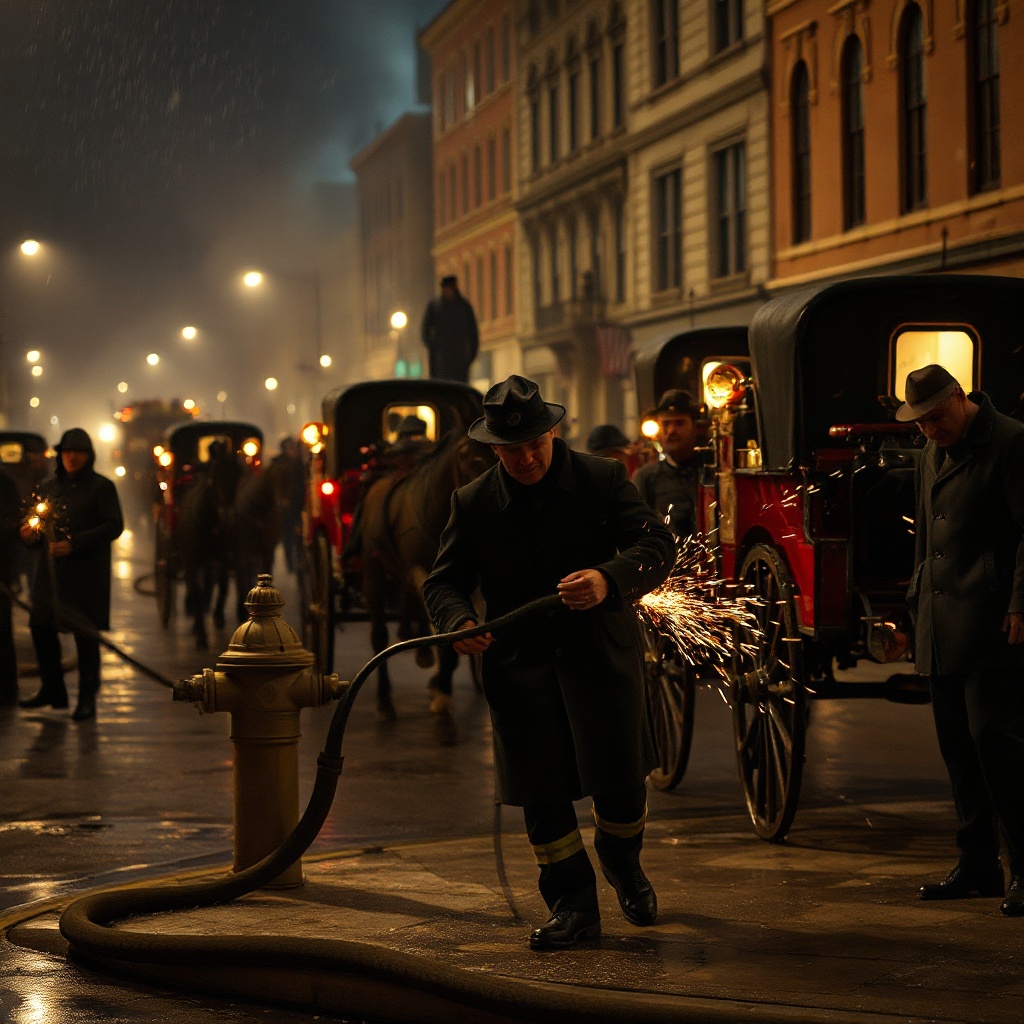
Mutual aid came, because that’s what American cities did even then, sending men and equipment by rail from nearby places, including Washington, D. C. and other East Coast cities. But the Great Baltimore Fire exposed an ugly, almost mundane problem that sounds like a punchline until you realize it cost hours: firehose couplings didn’t match. Different cities used different thread standards and connector sizes. Crews arrived ready to help and found they couldn’t easily connect their hoses to Baltimore hydrants. Imagine showing up to a flood with buckets that don’t fit the well. The fire didn’t care about municipal pride or incompatible hardware.
As the fire grew, officials faced decisions no one wants on their résumé. One of the most dramatic measures was the use of dynamite to create firebreaks, blowing up buildings in the path of the blaze. It’s the kind of desperate engineering that feels half like salvation and half like surrender. The idea is simple, if terrifying: remove fuel faster than the fire can reach it. In practice, explosions scatter debris, open structures to drafts, and can even spread flames if done poorly. Some attempts helped, some didn’t, and some accounts of exactly where and how effective they were can blur in the retelling. But the fact remains that Baltimore resorted to controlled destruction to stop uncontrolled destruction.
The fire raged for roughly thirty hours, from Sunday morning into Monday. By the time it was contained, more than 1,500 buildings had been destroyed across about 140 acres of the downtown. If you try to picture that in modern terms, it’s not just a few blocks. It’s a whole economic engine abruptly scraped down to smoking foundations. Yet one of the strangest, most talked-about facts is the death toll: remarkably low, often reported as none directly caused by the fire, though injuries occurred and the chaos was real. That doesn’t mean it was “lucky” in any comfortable sense. It means the fire hit a business district on a weekend, when many offices were closed, and evacuation was possible. Timing, for once, leaned slightly toward mercy.
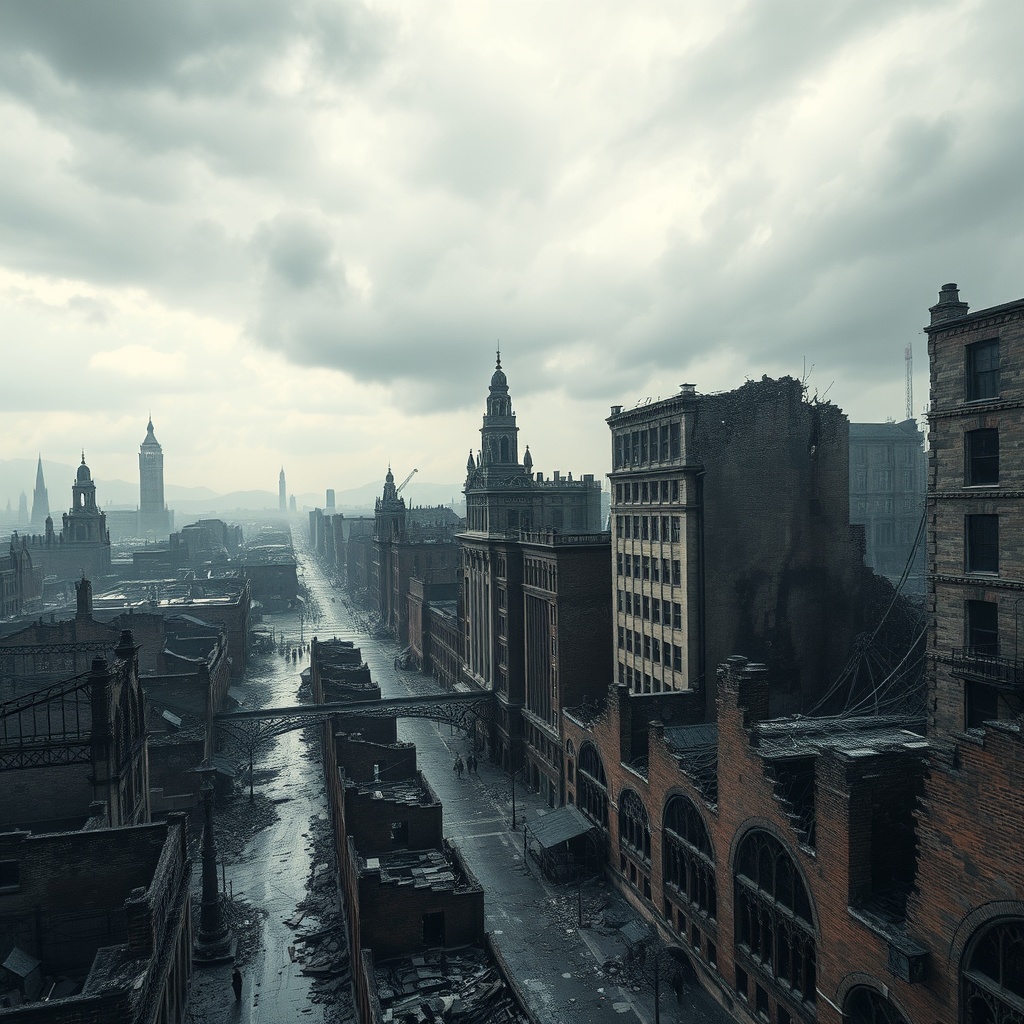
What happened next is where the “changed an entire city forever” part stops being a slogan and becomes literal. Baltimore had to rebuild its financial and commercial core. Insurance claims were enormous, businesses were displaced, records were lost, and banks had to steady themselves while smoke still hung in the air. The port city kept moving, but it moved differently. Some firms never came back. Others rebuilt bigger and newer, trading the old patchwork downtown for more modern construction.
And then there were the rules. The Great Baltimore Fire became a national lesson in standardization and urban fire safety. One big takeaway was painfully obvious: if cities are going to help each other, their equipment has to connect. The disaster pushed the country toward more uniform firehose couplings and better coordination, though it took time and was not instantly universal. It also sharpened attention on building materials, fireproof construction, and the hazards of storing flammables in dense districts. Fire codes didn’t appear overnight, but the argument for them gained a roaring, undeniable example.
If you walk through the idea of Baltimore after 1904, you’re walking through a city that had to decide what it wanted to be when it grew back. Rebuilding is an opportunity and an argument at the same time. Every owner wants to reopen. Every planner wants wider streets, stronger codes, safer blocks. Every politician wants credit without blame. I’ve watched modern rebuild debates at community meetings, with coffee getting cold in foam cups and everyone convinced the future is obvious. Now scale that up to an entire downtown, with livelihoods on the line and char still in the gutters.
Baltimore did not rebuild as a perfect utopia, because no city does. But it rebuilt with the fire in its memory, and that memory showed up in practical ways: improved water systems, stronger expectations for fire resistance, and a more professionalized approach to urban safety. The skyline and street grid evolved. New buildings rose where old ones had stood, some with more steel and stone, less wood, and more attention to compartmentalizing fire. The Great Baltimore Fire also fed a broader American realization that modern cities, packed with commerce and industry, needed modern standards. Local independence is charming until you’re trying to attach a hose to a hydrant while a block is burning.
There’s also a psychological consequence that doesn’t show up neatly in statistics. A city that burns like that develops a different relationship with risk. People talk about “before” and “after,” and those words carry weight for decades. The fire became a reference point in Baltimore’s civic identity, a story told to explain why certain streets are the way they are, why certain rules exist, why certain buildings look sturdier, or simply why the downtown feels like it was designed by someone who once watched flames sprint across rooftops.
My favorite grim little detail, the one that always makes me shake my head, is how ordinary the technical failure was. Not a villain. Not a freak of nature. Just incompatible fittings. The kind of thing someone could have fixed with a committee meeting and a standard, if the will had been there. But that’s often how history works. Disasters force people to do the boring, sensible work they avoided when things were fine.
The Great Baltimore Fire still matters because it sits at the intersection of drama and policy. It’s a spectacle, yes, a city center turned to embers. But it’s also a case study in how urban life depends on invisible agreements: standards, codes, coordinated systems, the unglamorous nuts and bolts of safety. When people talk about it today, they’re not only remembering a blaze. They’re remembering the moment a modern city learned that progress isn’t just building higher. It’s making sure, when the worst happens, the tools meant to save you can actually fit together. Working title for this piece: The Night Baltimore Relearned Fire.
Loved this story? Pulse it.
Pulses bubble up to the channel — they help us see which stories deserve sequels.