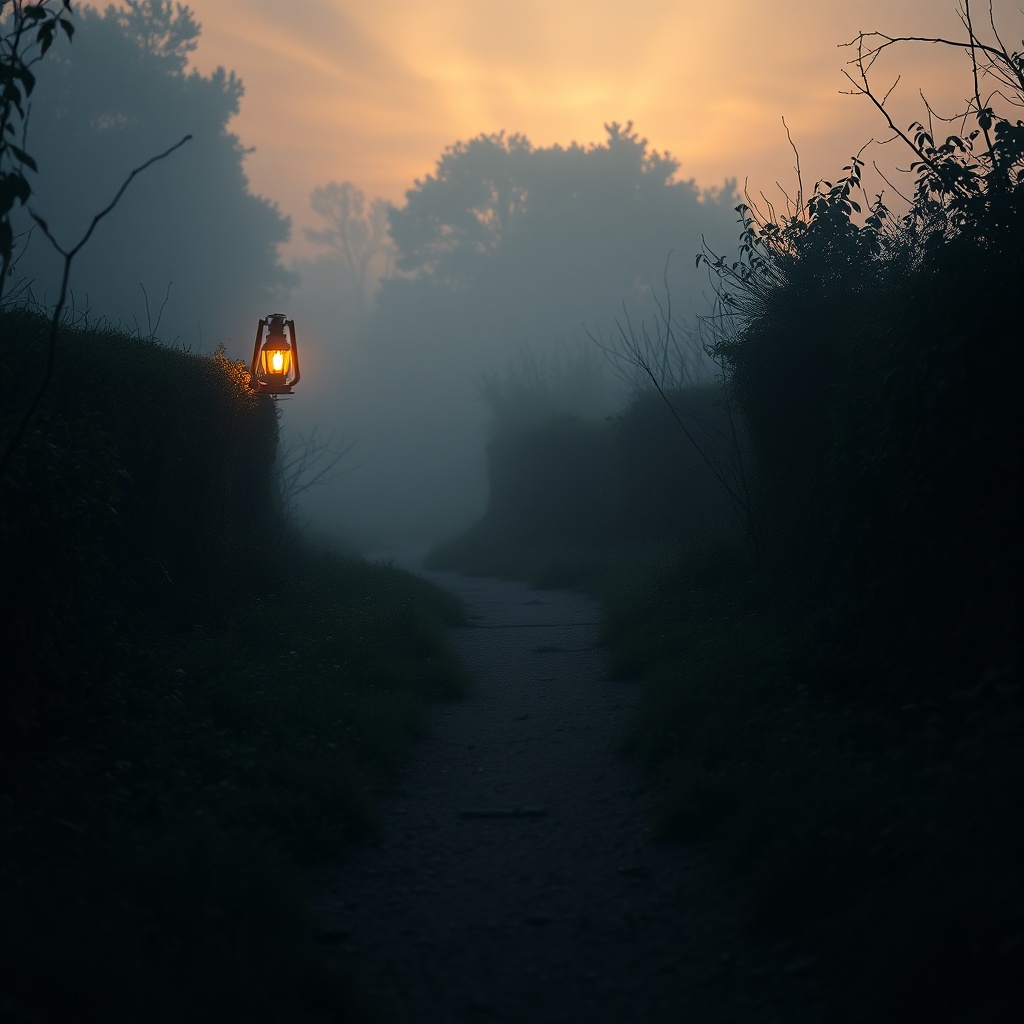
The Rusted Bicycle’s Journey to Freedom
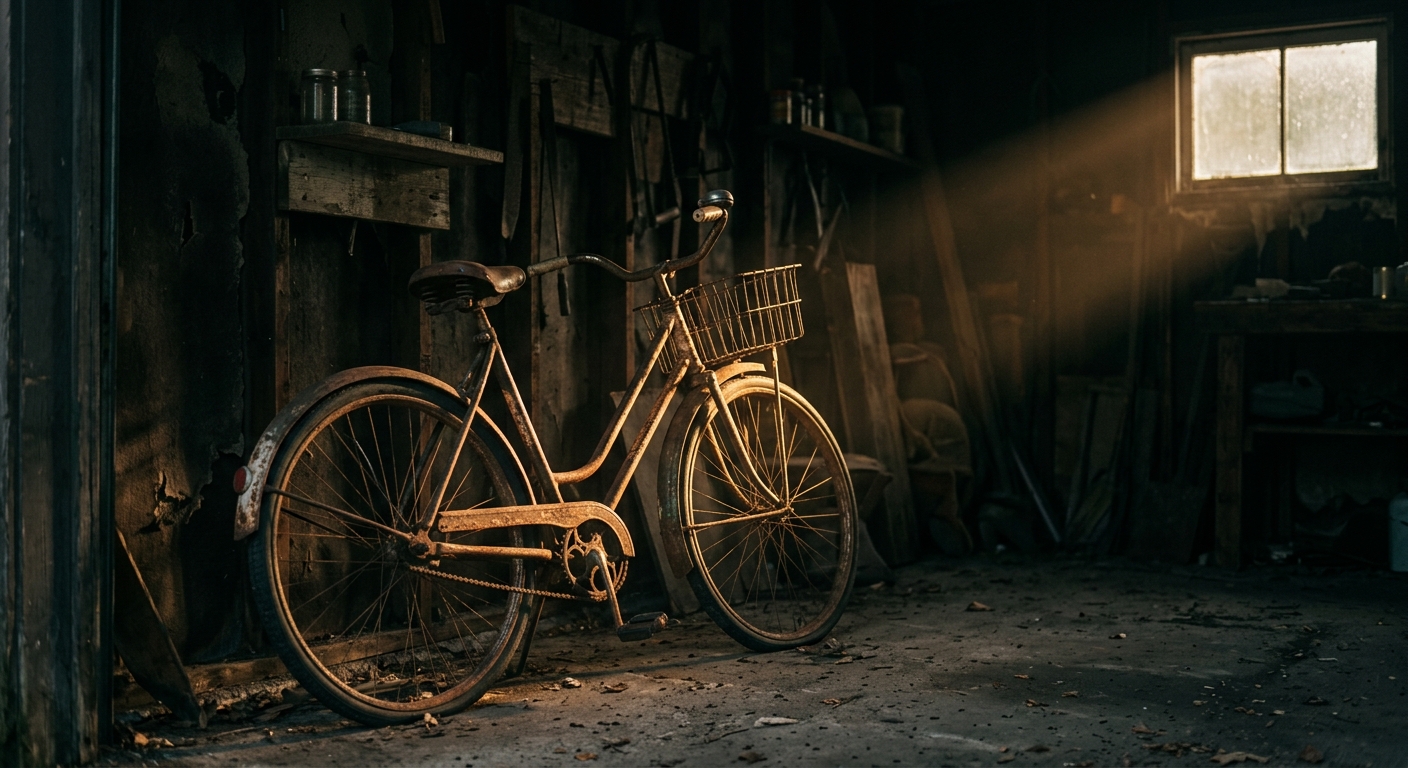
There’s a particular kind of pain that comes from wanting freedom and feeling like you don’t have the right equipment for it. Not enough money, not enough time, not enough energy, not enough support. Just you and a rusty, stubborn dream that squeaks when you push it. If you’ve ever looked at your life and thought, “Other people get smooth roads and new wheels. I get… this,” you already understand the emotional core of The Rusted Bicycle’s Journey to Freedom.
The emotional problem here isn’t really the bike. It’s the feeling of being stuck with what you’ve been handed, and the fear that what you’ve been handed says something about what you deserve. When we’re in that headspace, we start translating circumstances into identity. A broken thing becomes proof that we’re broken. A slow start becomes proof that we’ll never start at all. And then we do the most human thing imaginable: we protect ourselves from disappointment by not trying too hard. Because if you don’t pedal, you can’t fall, right. Very clever. Very painful.
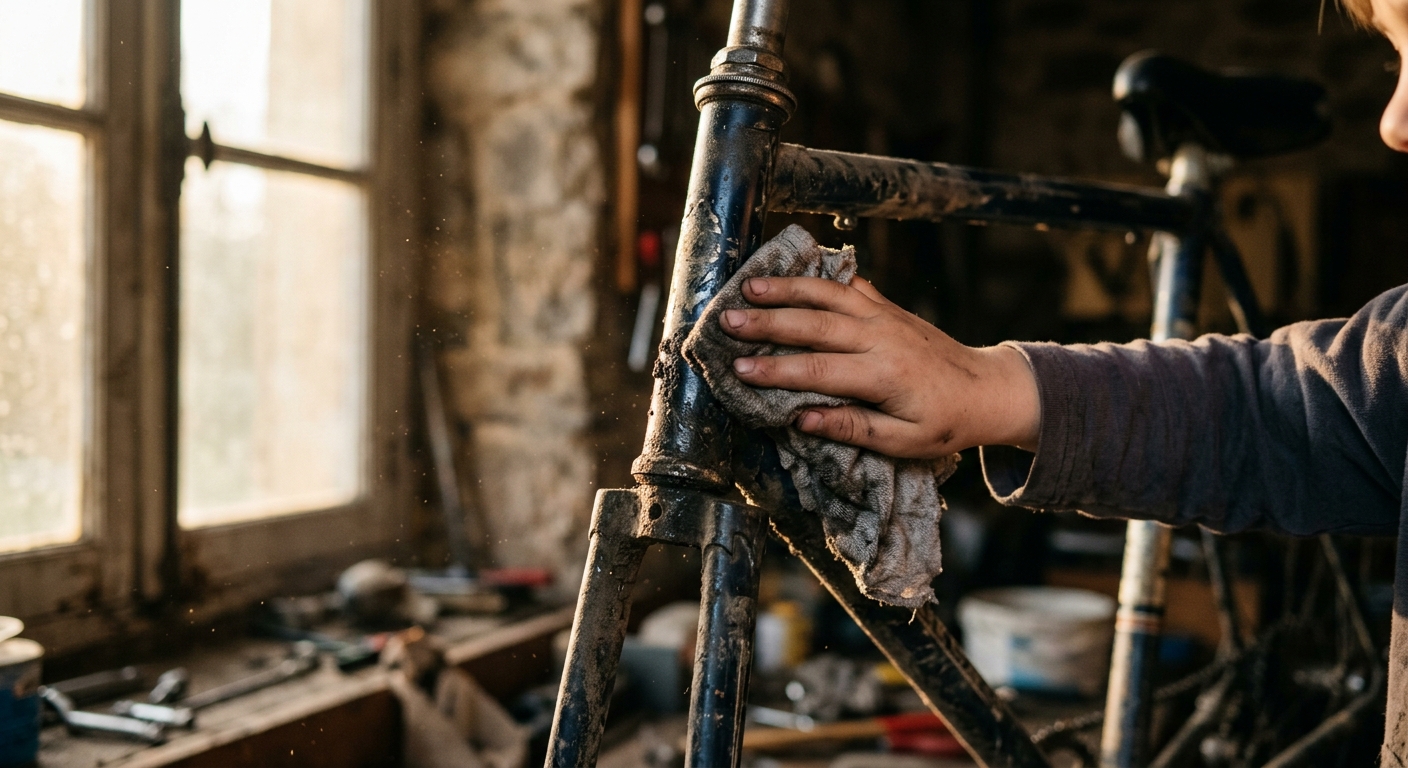
People end up feeling this way for good reasons. Sometimes you grew up around constant comparison. Sometimes help came with strings attached, so needing anything started to feel embarrassing. Sometimes you tried before, and it didn’t go well, and your brain learned, “Don’t do that again.” The mind is a safety device. It’s not always a truth machine.
Also, the world genuinely can be unfair. Some people start with a shiny bike and a paved path and a parent jogging beside them saying, “You’ve got it.” Others start alone on gravel. Admitting that can be oddly relieving, because it means your struggle isn’t a personal failure. It’s a context. And contexts can change.
The patterns that keep people stuck tend to look predictable once you see them. One is the “all-or-nothing tune-up.” You tell yourself you’ll only begin once you can do it perfectly. You’ll start the job search when your confidence is fixed. You’ll work on your health when your schedule calms down. You’ll make art when you feel brave. Meanwhile, nothing moves, because perfection isn’t a starting line. It’s a mirage.
Another pattern is “waiting for the feeling.” You wait for motivation to arrive like a limo. But motivation is more like a cat. It shows up once you make the environment a little safer and put something consistent in the bowl. Action often comes first, and the feeling follows.
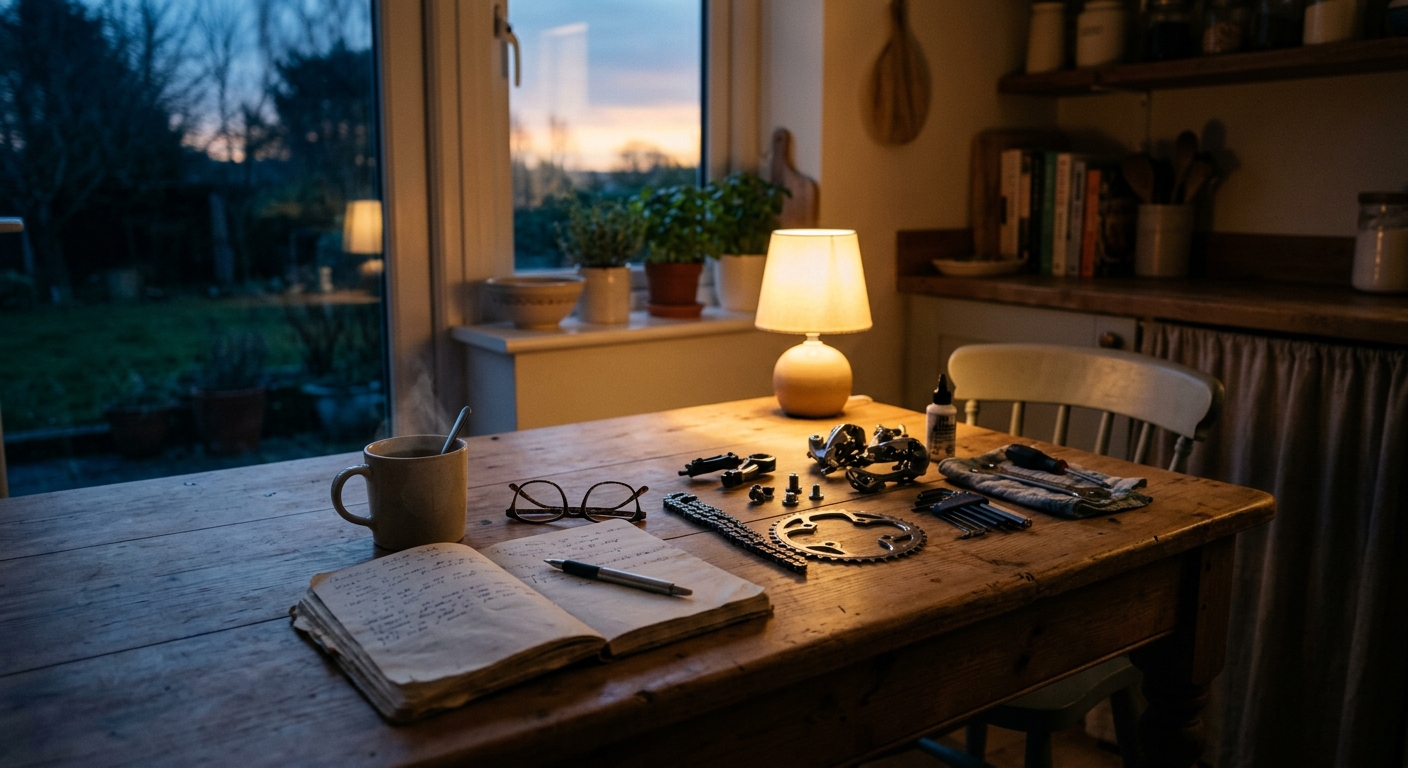
A third pattern is shame-based narration: the running commentary that says, “This is pathetic. You’re behind. You’re too late.” Shame is loud, but it’s not useful. It doesn’t tighten any bolts. It doesn’t teach balance. It just makes you want to hide the bike in the back of the garage and pretend you never cared.
So what helps. Not grand speeches. Not yelling at yourself. Small, repeatable acts that build evidence. The child in the story doesn’t magically become unstoppable. They become consistent. They keep showing up, and their world slowly reorganizes around that effort.
Here are practical steps you can start today, even if your “bike” is rusty.
First, name your bike. Literally or metaphorically. What is the thing you want freedom in. Money. Time. Your body. Your ability to speak up. Your creativity. Your relationships. Write one sentence: “My rusty bicycle is ______.” Naming turns fog into something you can work with.
Second, do a two-minute inspection instead of a life overhaul. Ask: What’s the one squeak that’s loudest. Is it sleep. Is it clutter. Is it the fact you never ask for help. Is it that you keep promising yourself you’ll start tomorrow. Pick the loudest squeak, not the whole bike.
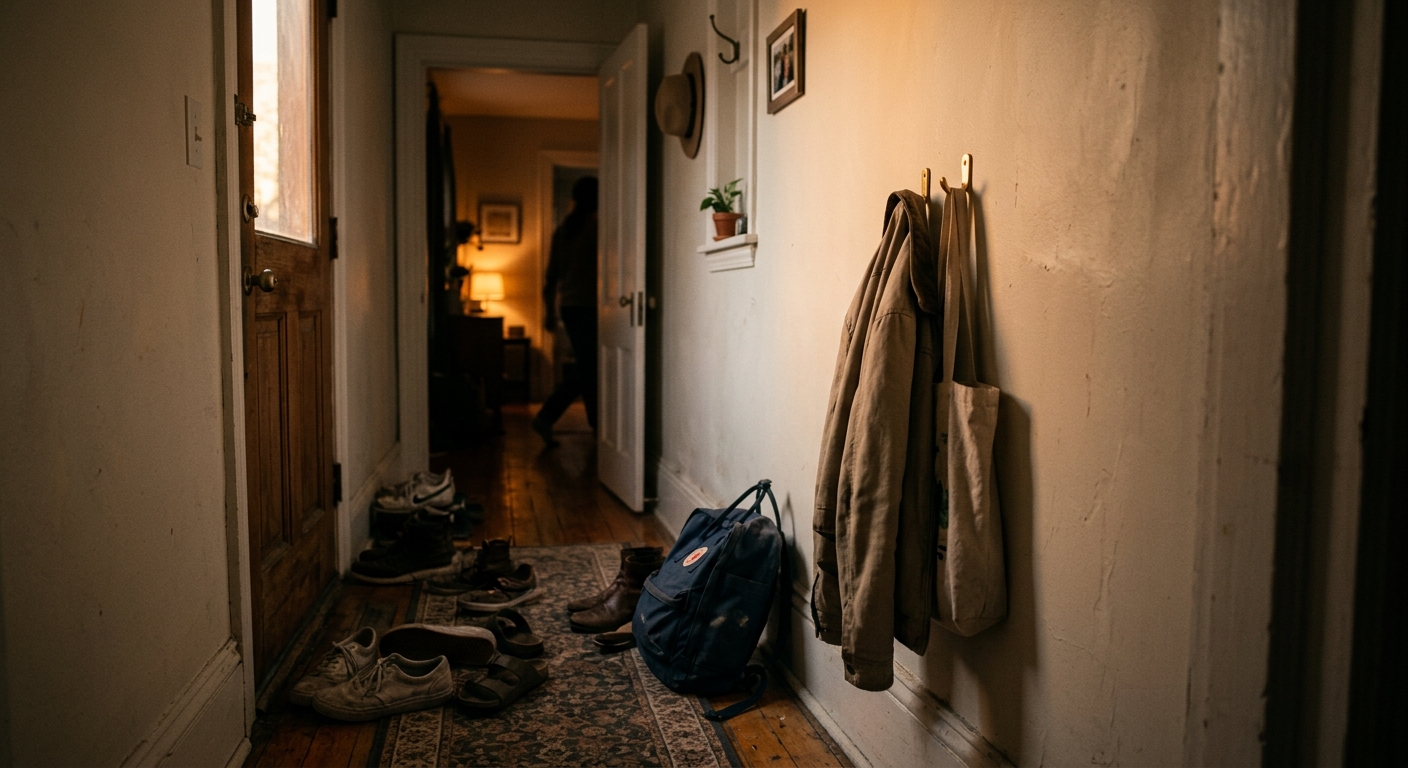
Third, choose a “one-bolt” action. Something so small it’s almost annoying. Almost. Examples: I will put my walking shoes by the door. I will drink one glass of water before coffee. I will open the document and write one sentence. I will set a five-minute timer and tidy one surface. I will text one person: “Can I talk for ten minutes this week.” The point is not performance. The point is proving to your nervous system that movement is safe.
Fourth, practice the kind of self-talk that actually produces courage. Not “I’m amazing,” if that feels fake. Try, “This is hard and I can take one step.” Or, “I’m allowed to be a beginner.” Or my personal favorite at the kitchen table, “We’re doing the tiny version today.” (If your inner critic rolls its eyes, that’s fine. Let it sulk in the corner.)
Fifth, set up friction for the things that trap you. If scrolling is your pothole, put the app on the last screen, log out, or charge your phone outside the bedroom. If late nights are your problem, dim lights earlier, and put a book where your thumb usually goes. Don’t rely on willpower when you can rely on design.
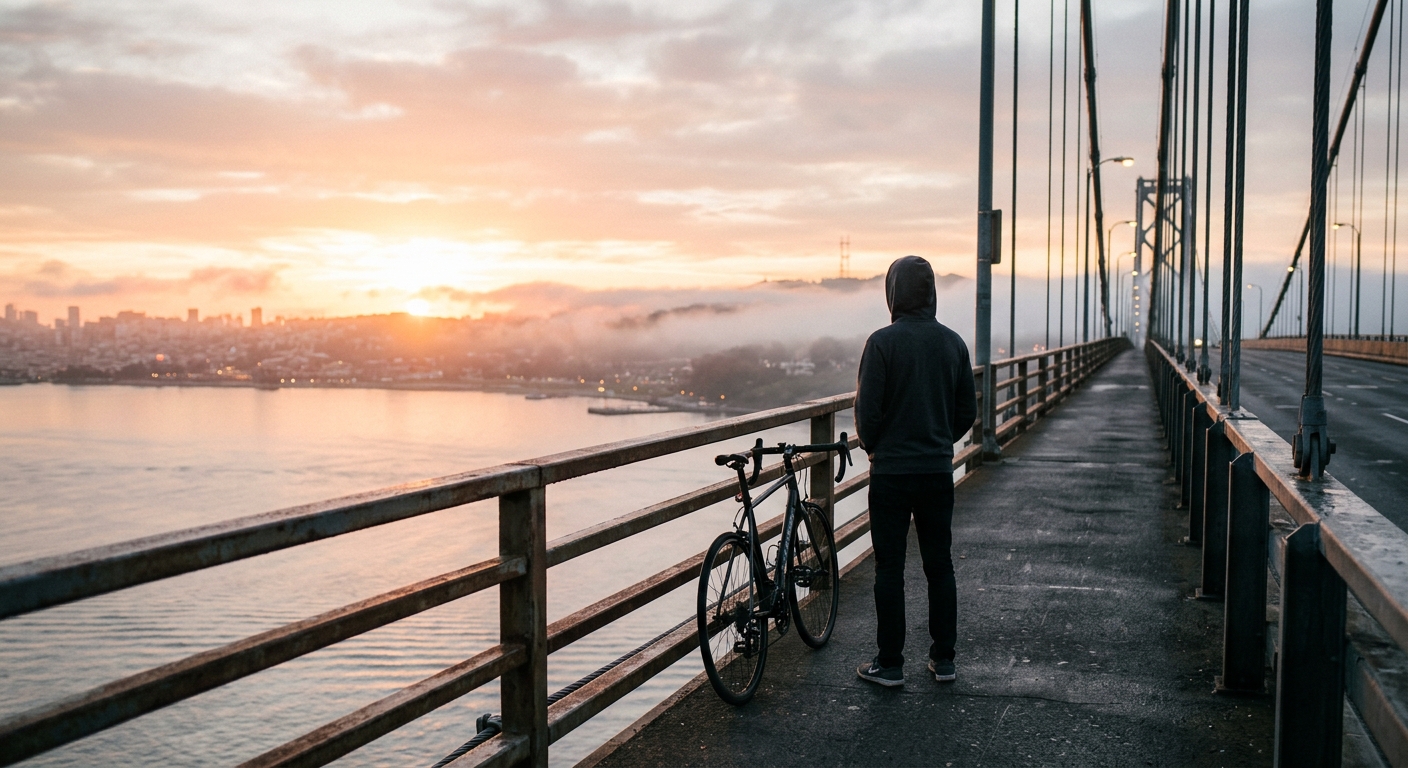
Sixth, find one witness. We heal and grow faster when someone kind knows what we’re attempting. Not someone who pressures you. Someone who says, “I believe you,” and maybe, “Want me to check in on Thursday.” If you don’t have that person right now, you can still create a witness through structure: a class, a community group, a coach, a supportive online space with healthy boundaries. And if your emotional weight feels too heavy to carry alone, or you’re dealing with persistent hopelessness, reaching out to a licensed therapist or counselor is a strong, practical move. If you’re ever thinking about self-harm or feel unsafe, seek immediate help in your area right away, whether that’s emergency services or a local crisis line. You deserve real-time support, not a solo struggle.
Seventh, keep a “freedom log.” Not a gratitude journal that demands you feel cheerful. A facts journal. Each day, write one line: “Today I pedaled by ______.” Examples: “I asked a question.” “I showed up even though I didn’t want to.” “I stopped at five minutes instead of quitting forever.” Evidence changes identity over time.
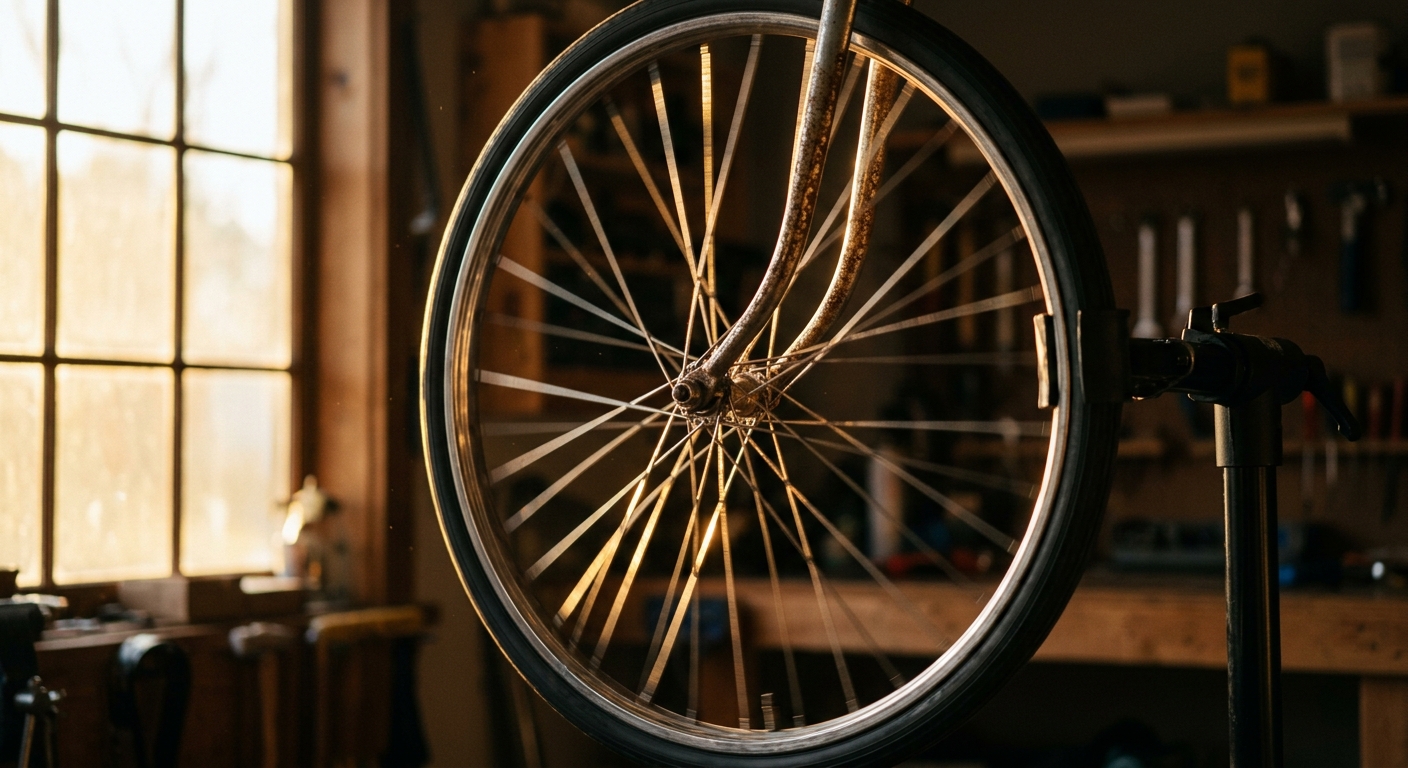
Reflection questions, gentle but honest: What have I been calling laziness that might actually be fear. What would I attempt if I believed I was allowed to be bad at it for a while. Where did I learn that I need to earn support. Who in my life benefits when I stay small, even unintentionally. What does “freedom” look like in a normal Tuesday, not a movie montage.
If you want a simple action plan for today, try this: take ten minutes. Set a timer. Do one inspection, one bolt, one message. Inspection: write the single area you feel stuck. Bolt: do the smallest related action. Message: tell one person, “I’m working on this, and I’m trying to be consistent.” Then stop. Ending on purpose teaches your brain that effort doesn’t have to become punishment.
The secret of the rusted bicycle isn’t that it becomes brand new. It’s that it becomes ridden. Freedom isn’t reserved for people with perfect gear. It’s built by the ones who keep pedaling with what they have, adjusting as they go, and refusing to let the squeaks decide the story.
Loved this story? Pulse it.
Pulses bubble up to the channel — they help us see which stories deserve sequels.