A Lantern’s Flicker: Light in the Darkest Night
Have you ever noticed how the darkest nights don’t announce themselves? They just show up in normal clothes, like Tuesday. You’re doing your life, answering messages, loading the dishwasher, and then suddenly everything feels heavier. Your chest tightens, your thoughts get loud, and the future looks like a hallway with the lights out.
That’s the emotional problem at the center of “a lantern’s flicker.” When you’re in it, it’s not only that you feel sad or stressed. It’s the particular kind of loneliness where your own inner light feels unreliable. You might still be functioning, even high-achieving, but it feels like you’re moving through fog with a flashlight that keeps dying. And the scariest part is the story your brain starts to tell: If I can’t feel hope right now, maybe hope isn’t available to me at all.
I once sat at my kitchen table with a mug of tea I didn’t even want, staring at nothing in particular, thinking, “This shouldn’t be this hard.” That sentence is sneaky, because it adds shame on top of pain. Many of us don’t just struggle. We also judge ourselves for struggling, as if we failed a basic human exam everyone else passed.
Why do people feel this way? Often it’s not one dramatic event. It’s accumulation. Small disappointments, chronic stress, grief you didn’t get to process, a season of caretaking, a relationship that eroded your confidence one comment at a time, financial pressure, health worries, the dull ache of being “fine” but not okay. Your nervous system can only hold so much before it starts conserving energy, and conservation can look like numbness, irritability, procrastination, or shutting down socially. Sometimes it’s also that you’ve been strong for so long that you don’t know how to be supported anymore.
There’s another layer too. Humans are meaning-making machines. When something hurts, we look for an explanation, and the easiest explanation is often, “It’s me.” I’m behind. I’m broken. I’m too much. I’m not enough. Those thoughts don’t show up because you’re weak. They show up because your brain is trying to create a map. Unfortunately, it’s using yesterday’s fears as the ink.
The stuck patterns usually look boring from the outside. That’s what makes them so convincing. One is “all-or-nothing light.” If you can’t feel fully hopeful, you assume there’s no hope. If you can’t fix everything, you do nothing. Another is the quiet habit of isolation. You tell yourself you’ll reach out when you’re in a better mood, but your mood doesn’t improve because you don’t reach out. There’s also the pattern of postponing care: “After this deadline, after the kids are asleep, after I get my life together.” I say this with affection: the phrase “after I get my life together” has probably delayed more healing than any villain ever did.
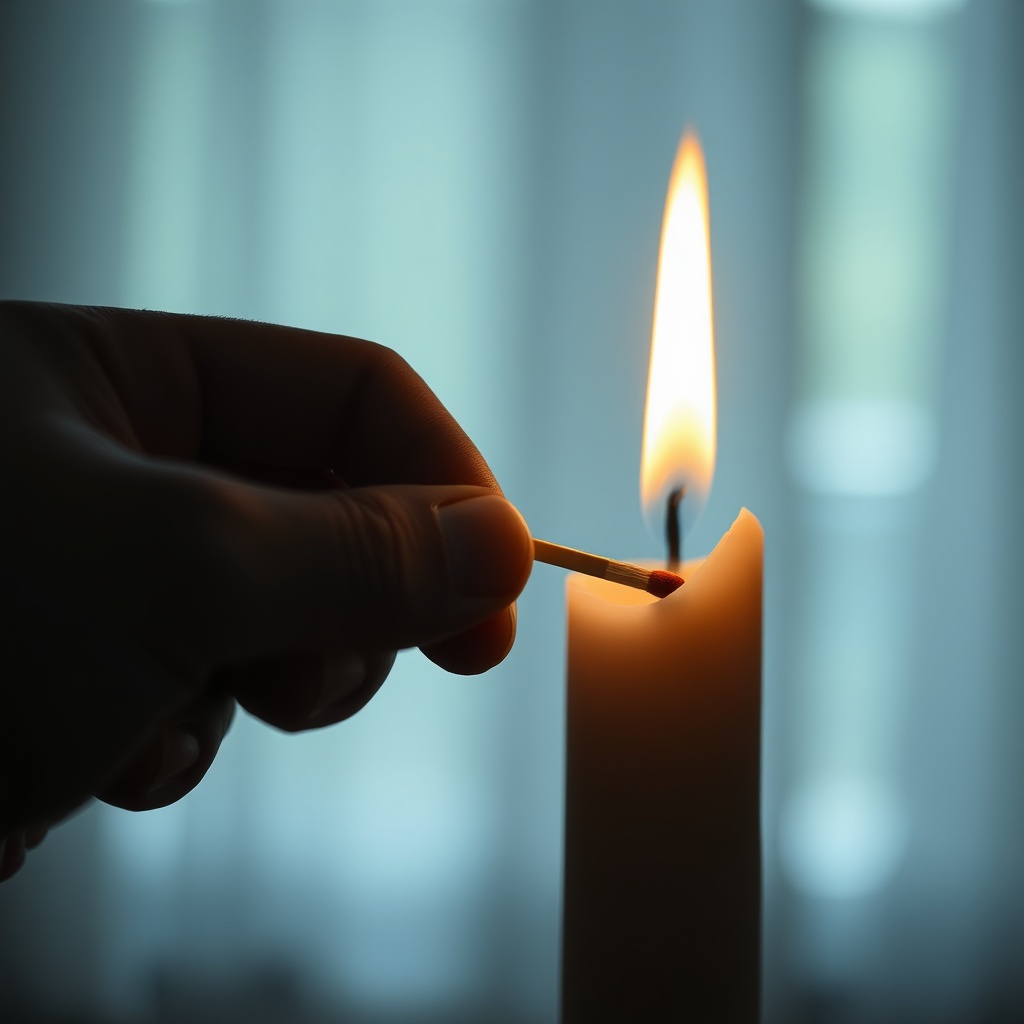
A lantern’s flicker is a different model. It suggests that the light doesn’t need to be perfect to be useful. A small spark can guide you to the next step. Not the whole plan. Just the next step. And that’s emotionally important, because when you’re in a low place, big promises feel fake, but tiny honest actions feel believable.
Here are practical steps that tend to help, without requiring you to become a brand-new person overnight.
First, name what’s happening in plain language. Try, “I’m having a hard night,” or, “My hope feels low right now.” Not, “I’m hopeless,” or, “Nothing will ever change.” This isn’t positive thinking. It’s precision. When you describe the experience as temporary and specific, you reduce the brain’s urge to treat it as a permanent identity.
Second, lower the bar on what counts as progress. When your inner light is flickering, your job is not to perform wellness. Your job is to keep the flame alive. Ask, “What would be 5 percent better?” Not 100. Five. That might mean rinsing a plate, opening a window, stepping outside for three minutes, or sending one honest text.
Third, interrupt the shame loop with a compassionate fact. Shame says, “You’re the only one.” A compassionate fact says, “This is a human response to a heavy load.” If it helps, imagine what you’d say to a friend. You wouldn’t tell them, “Try being less pathetic.” You’d probably say, “Of course you’re tired. Look at what you’ve been carrying.” Give yourself that same fairness.
Fourth, create a “lantern list,” a short set of tiny actions that reliably add a drop of light. Not aspirational things, but realistic things. Mine has included: hot shower, clean socks, ten-minute tidy with music, standing on the porch and noticing the sky, replying to one person I trust, eating something with protein, and going to bed earlier even if my brain complains. Your list might be different, but keep it short enough that you’ll actually use it when you’re low.
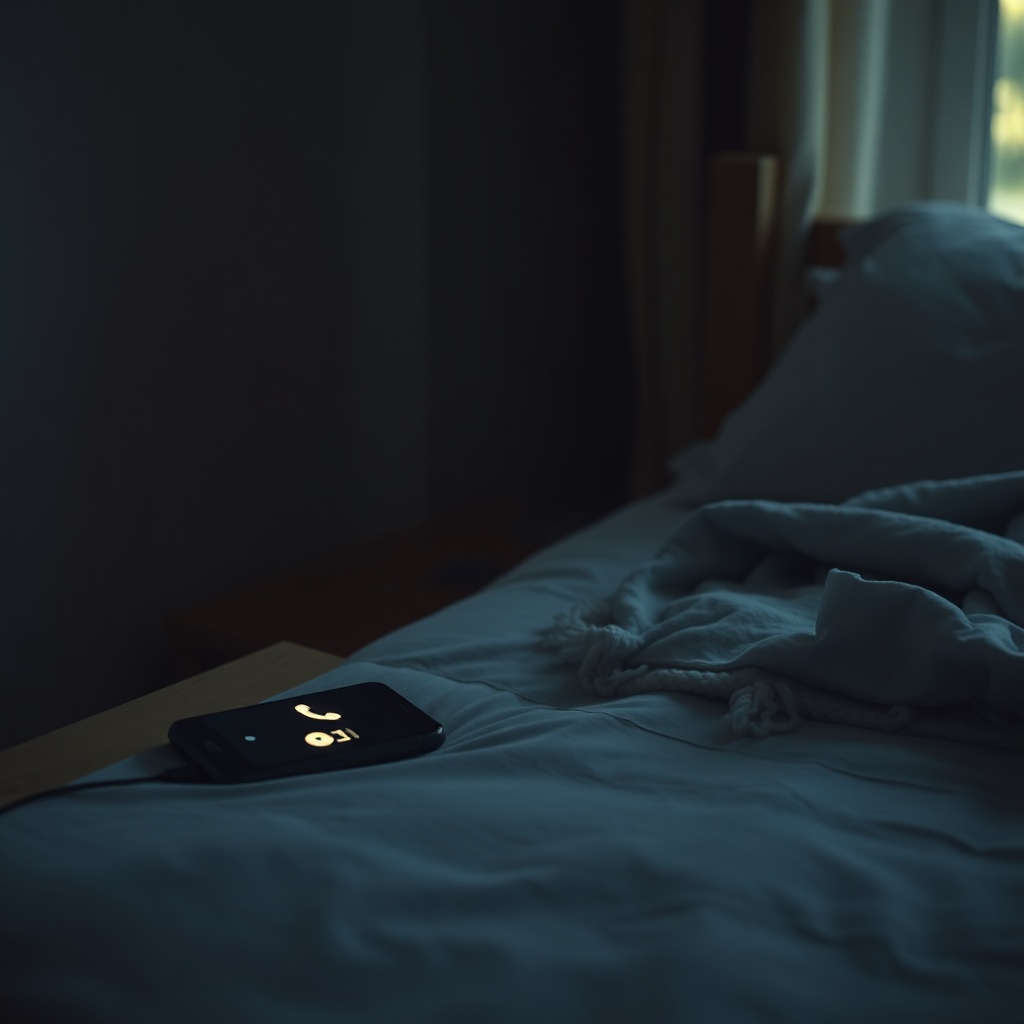
Fifth, practice reaching out in a way that doesn’t overwhelm you. You don’t have to deliver a full speech about your feelings. Try a simple message: “Hey, I’m having a rough day. Could you check in later?” Or, “I don’t need advice, I just need a little company.” People often want to help but don’t know how. Giving them a small job is a kindness to both of you.
Sixth, work with your body, not just your thoughts. When you’re in the darkest night, your physiology is part of the story. A few gentle options: put one hand on your chest and one on your belly and take five slow breaths, lengthening the exhale. Drink water. Eat something simple. Step outside and feel the air. If you can, take a short walk and let your eyes land on ordinary things: trees, bricks, clouds. This signals safety to a nervous system that’s been acting like everything is urgent.
Reflection questions that can unlock a little more light, without demanding perfection:
What am I calling “broken” that might actually be “tired,” “overwhelmed,” or “grieving”?
When did I last feel even a 10 percent sense of ease, and what was present then?
If my current feelings were a weather system, what would I do to care for myself through it?
What is one thing I’m avoiding because it feels too big, and what is the smallest possible first step?
Who is one safe person, not necessarily the closest, who could hold a small truth from me today?

Simple actions you can start today, even if you’re not motivated:
Write a two-sentence check-in: “Today I feel ____. What I need is ____.” That’s it.
Do a “light check.” Look around your space and add one source of warmth: a lamp, a candle, opening curtains, making the bed. Your environment and your emotions are in conversation more than we like to admit.
Set a timer for seven minutes and do one small task you’ve been avoiding. Stop when the timer ends. The win is the start, not the finish.
Make a “tomorrow kinder” move: put out clothes, prep a simple breakfast, charge your phone, or clear one surface. You’re leaving a lantern for your future self.
And if your darkest night includes thoughts of self-harm, feeling unsafe, or believing you might act on an impulse, please don’t handle that alone. Reach out to a trusted person immediately, and contact local emergency services or a crisis hotline in your country. If you’re in the U. S., you can call or text 988. You deserve real-time support, not just a strong attitude.
The point of the lantern isn’t to banish the whole night. It’s to prove that light still works, even cracked, even small, even trembling. You don’t need a dramatic transformation. You need one honest spark, then another. And if all you can do today is keep the flame from going out, that counts. That is resilience in its most real form.
Loved this story? Pulse it.
Pulses bubble up to the channel — they help us see which stories deserve sequels.