
When an Old Clock Finds Its Purpose Again
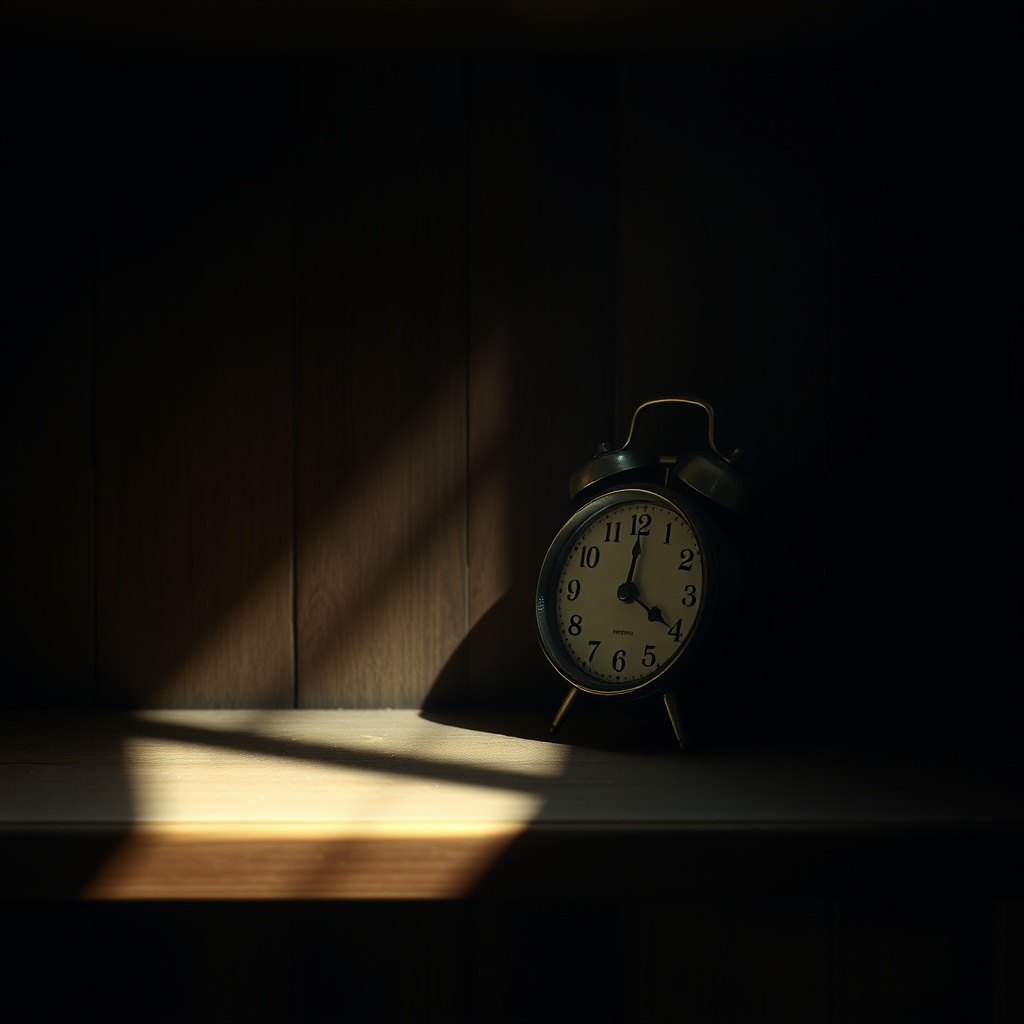
Have you ever looked at your own life and thought, I was built for something, so why do I feel like I’m just sitting on a shelf? That quiet fear, that maybe your best use-by date has passed, doesn’t usually arrive with fireworks. It shows up as dullness. As procrastination that feels oddly heavy. As scrolling when you promised yourself you wouldn’t. As a kind of emotional fog where you can still function, but nothing feels meaningful.
The emotional problem underneath is often a mix of grief and pressure. Grief for the version of you that was excited, curious, or confident. Pressure to “figure it out” quickly and make it impressive. When people talk about purpose, it can sound like a lightning bolt career calling. But for most of us, purpose is more like a clock: it’s not one dramatic moment. It’s a steady return to small, honest movement. Tick, tick, tick. And yes, sometimes you stop. Sometimes you get set aside. That doesn’t mean you’re broken. It usually means you need care, context, and a reason to start again.

Why do people feel purposeless, even when their life looks fine on paper? A few common reasons: you’ve been in survival mode for too long, so your system learned to prioritize safety over meaning. You’ve had a loss or setback that shook your identity, and you’re not just rebuilding plans, you’re rebuilding trust in yourself. Or you’ve been measuring your life using someone else’s ruler, which is a guaranteed way to feel like you’re failing even when you’re growing. (It’s like timing yourself with a clock that’s set to a different time zone, then blaming yourself for being late.)
Another sneaky reason is disconnection from your own preferences. If you’ve spent years doing what was needed, expected, or rewarded, you might not know what you actually like anymore. Purpose doesn’t only come from achievement. It also comes from aliveness. From paying attention to what makes you feel a little more present, a little more you.
The patterns that keep people stuck tend to look sensible at first. One is waiting for clarity before taking action. We tell ourselves, Once I know my purpose, I’ll start. But clarity is often the reward for motion, not the prerequisite. Another pattern is all-or-nothing thinking: if I can’t do something big, I won’t do anything. That’s how months go by without a single “tick.” Perfectionism plays its part too. If you’re afraid your effort won’t matter, it’s safer to do nothing and call it “not the right time.” The mind loves “later.” Later is cozy. Later also steals your life one quiet day at a time.

Here’s a grounded reframe I return to when I feel lost: purpose is not a title. Purpose is a relationship. A relationship with time, with attention, with contribution, with your values. And relationships are repaired through consistent, humble contact.
A practical place to start is with three questions that don’t require you to reinvent your life:
What do I care about when I’m not trying to impress anyone?
What kind of problems do I feel drawn to, even if I’m not “qualified” yet?
What makes me feel a little lighter after I do it, even if it’s hard?
You can answer these at the kitchen table in five minutes. Don’t overthink. First answers are fine. You’re not carving them into stone. You’re just winding the clock.
Next, look for the “stuck loop” you’re in. Most loops have three parts: a trigger, a feeling, and a coping behavior. For example: trigger, you see someone else thriving. Feeling, shame or panic. Coping, you numb out and avoid your own goals. The way out is not self-criticism. It’s interruption. When you catch the loop, you name it gently: Oh, this is the comparison loop. Then you do one small action that proves you’re still in the room with your life.

Try this simple “second chance” practice today. It takes ten minutes.
Step one: pick one neglected thing. Not the scariest thing. One small thing you’ve been avoiding. An email. A walk. A page of writing. A job listing. A five minute tidy.
Step two: set a timer for eight minutes. The goal is not completion. The goal is re-entry. Start badly on purpose. I mean it. Give yourself permission to be awkward. The clock doesn’t wait to feel elegant before it ticks.
Step three: when the timer ends, stop and write one sentence: “The next smallest step is.” Fill it in. This trains your brain to think in bridges, not cliffs.
If you want to go deeper, build a “purpose menu,” not a purpose plan. Plans can feel like a contract. Menus feel like options. Create three lists:
Nourish: small activities that refill you. Shower. Music. Stretching. A quiet coffee. Sunlight.
Build: small activities that strengthen you. Reading two pages. Practicing a skill. Updating a resume line. Saving five dollars.
Give: small contributions that connect you. Checking on a friend. Volunteering once. Sharing your work. Helping a neighbor.
Then, when you feel empty, pick one item from any list. Purpose often returns when connection returns: connection to yourself, to your future, to other people.

A lot of people get stuck because they think purpose must be dramatic and constant. But purpose is often seasonal. There are times you build. Times you rest. Times you recover. A “forgotten clock” isn’t useless. It’s waiting for the right hands, the right place, the right moment to be wound again. You’re allowed to have a slow chapter without making it a life sentence.
It can also help to separate purpose from worth. Your worth isn’t on probation until you achieve something meaningful. You don’t earn the right to exist by being productive. If you’ve been feeling persistently hopeless, numb, or like you can’t see a future, you deserve real support. Talking to a licensed therapist or counselor can help you untangle the weight you’ve been carrying. And if you’re ever thinking about harming yourself or you feel unsafe, seek immediate help from local emergency services or a crisis line in your country right away. You don’t have to handle that alone.
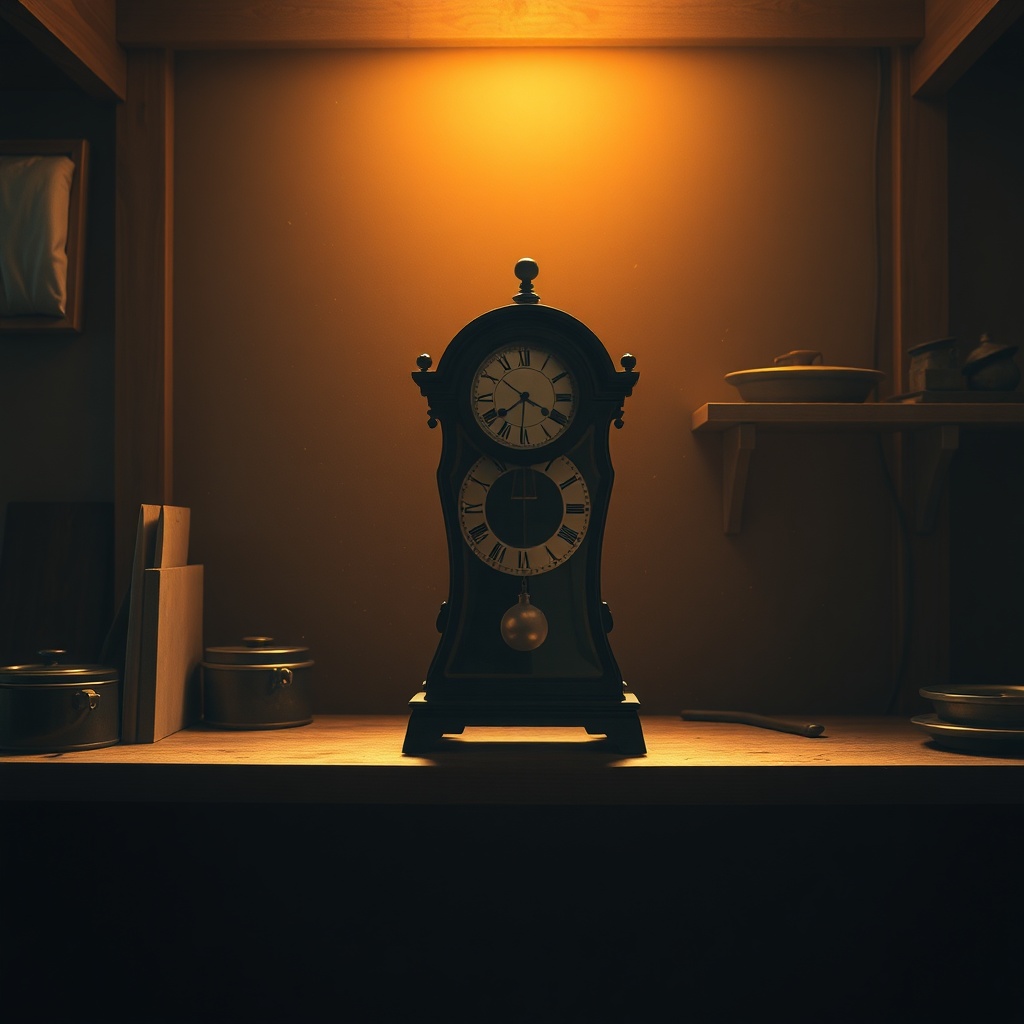
Here are a few reflection questions to sit with this week, gently, like you’re turning an object over in your hands:
Where in my life am I waiting to feel “ready” before I begin?
What am I secretly afraid will happen if I try again, and how could I make that risk smaller?
If my life could “tick” in one tiny way daily, what would that look like?
Who do I become when I do the next right thing, even imperfectly?
And here are three simple actions you can start today, even if motivation is low:
Do an eight minute re-entry session on one avoided task.
Send one message to someone safe: “I’ve been feeling a bit stuck lately. Can I talk it through with you sometime?”
Choose one Nourish item and do it without multitasking, just to remind your nervous system what “okay” feels like.
Purpose doesn’t usually crash through the ceiling. It returns the way a clock returns to time: one small movement after another. If you’ve been on the shelf for a while, that isn’t proof you’re done. It’s proof you’re due for care. And you can start with one small winding today.
Loved this story? Pulse it.
Pulses bubble up to the channel — they help us see which stories deserve sequels.